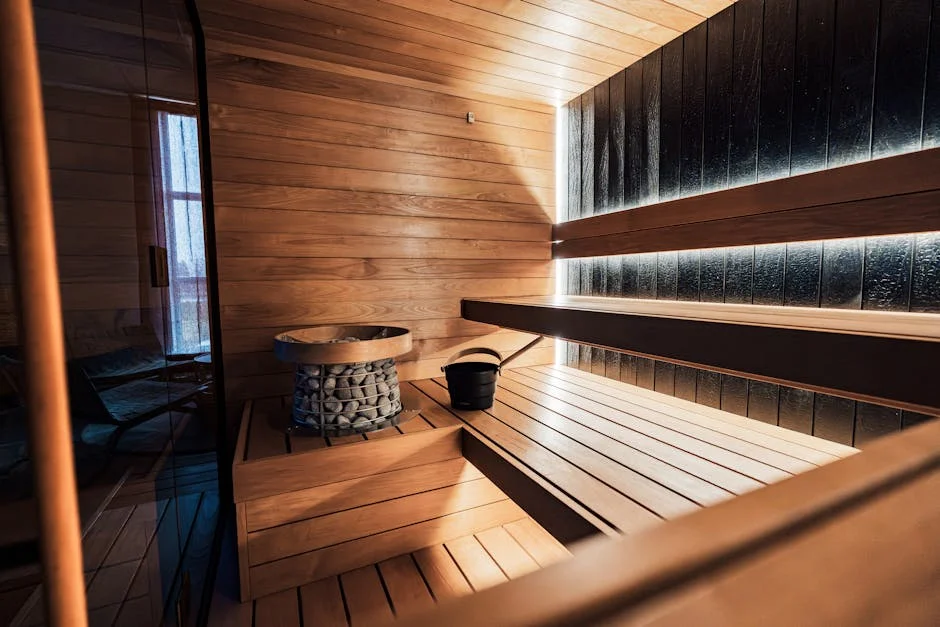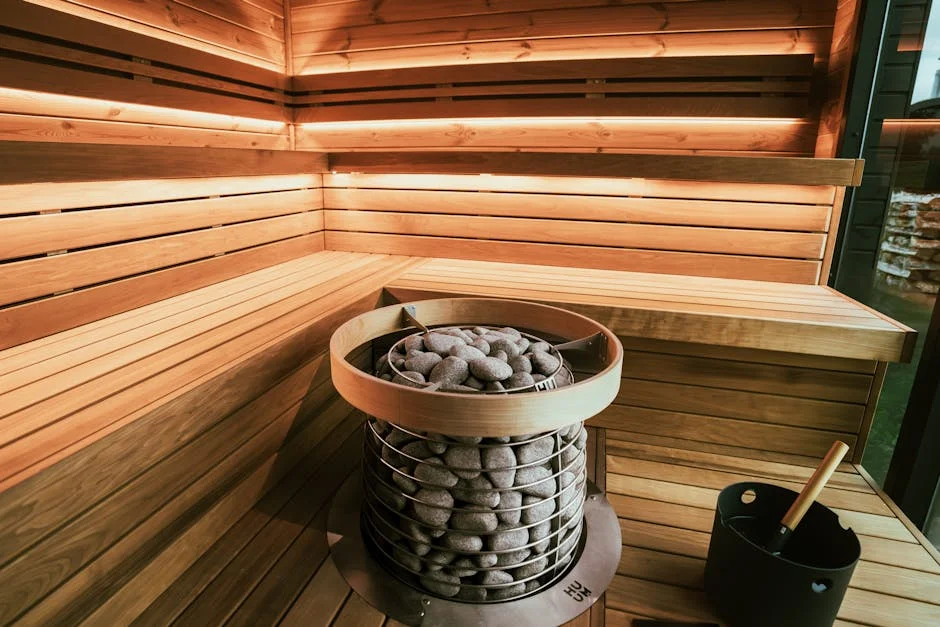
220V Sauna Buyer's Guide: Electrical Requirements & Setup

Affiliate disclosure: Some links on this page are affiliate links. If you buy through them we earn a small commission at no extra cost to you. Recommendations are research-driven; we don't claim personal use of every product reviewed. Product prices and availability are accurate as of the date published and are subject to change. Always check Amazon for current pricing before purchasing. Learn more.
Quick Picks
Yosoo Sauna Controller Sauna Heater Stove Temperature Controller Plastic Sauna Heater Stove External Digital Controller and Thermostat Sensor with Temperature Probe Wire for 3‑9KW Sauna Heater 220V
Quality construction suited to regular home sauna use
Buy on AmazonSauna Stove Temperature Controller, LCD Digital Display, External Controller with Probe Cable for Dry Sauna Heater, 220V (9-15KW Digital Display)
Quality construction suited to regular home sauna use
Buy on AmazonFdit Sauna Stove Temperature Controller LCD Digital Display External Controller with Probe Wire for Dry Sauna Heater 220V Sauna Accessories(9-15KW Digital Display)
Quality construction suited to regular home sauna use
Buy on Amazon| Product | Price Range | Top Strength | Key Weakness | Buy |
|---|---|---|---|---|
| Yosoo Sauna Controller Sauna Heater Stove Temperature Controller Plastic Sauna Heater Stove External Digital Controller and Thermostat Sensor with Temperature Probe Wire for 3‑9KW Sauna Heater 220V best overall | $ | Quality construction suited to regular home sauna use | Confirm specifications match your specific installation space and electrical requirements | Buy on Amazon |
| Sauna Stove Temperature Controller, LCD Digital Display, External Controller with Probe Cable for Dry Sauna Heater, 220V (9-15KW Digital Display) also consider | $ | Quality construction suited to regular home sauna use | Confirm specifications match your specific installation space and electrical requirements | Buy on Amazon |
| Fdit Sauna Stove Temperature Controller LCD Digital Display External Controller with Probe Wire for Dry Sauna Heater 220V Sauna Accessories(9-15KW Digital Display) also consider | $ | Quality construction suited to regular home sauna use | Confirm specifications match your specific installation space and electrical requirements | Buy on Amazon |
| Infrared Sauna Electrical Control Box and Infrared Sauna LCD Control Panel with a Temperature Control Probe, 220V also consider | $ | Quality construction suited to regular home sauna use | Confirm specifications match your specific installation space and electrical requirements | Buy on Amazon |
| Wathai EC 120mm x 25mm Ball DIY Cooling Ventilation Exhaust Fan 110V 115V 120V 220V 240V AC Axial Case Muffin Fan also consider | $ | Quality construction suited to regular home sauna use | Confirm specifications match your specific installation space and electrical requirements | Buy on Amazon |
Most home sauna heaters , whether traditional Finnish-style or hybrid models , require a dedicated 220V circuit. That’s not optional, and it’s not something to improvise. The sauna installation process starts long before the first stone is placed or the first panel is mounted: it starts at the breaker box, with a licensed electrician and a clear understanding of what your specific heater demands.
Getting the electrical side right means understanding controllers, thermostats, ventilation, and the components that keep a 220V sauna running safely and consistently. This guide covers what separates a well-specified installation from a problematic one , and which components belong in a properly equipped setup.
What to Look For in 220V Sauna Components
Voltage and Wattage Matching
The single most important step in any 220V sauna installation is confirming that every component in the electrical chain is rated for the actual load your heater draws. Heaters in the 3, 9KW range have different amperage requirements than 9, 15KW units. A controller rated for the wrong load range is not a minor mismatch , it’s a fire risk.
Before ordering any controller or control panel, pull the spec sheet for your specific heater. Note the wattage, the rated voltage (220V or 240V , these terms are often used interchangeably in North American residential wiring, but confirm for your jurisdiction), and the maximum amperage. Every downstream component , controller, wiring gauge, breaker size , must be sized to that load with appropriate headroom.
Controller Type: Analog vs. Digital Display
Traditional sauna controllers use analog dials for temperature and timer functions. They’re reliable and simple, but offer limited precision. Digital LCD controllers display current temperature alongside target temperature, often with more granular timer settings and clearer feedback during heat-up. For buyers replacing a failed controller or upgrading an older unit, the digital format offers better visibility and easier calibration.
The probe wire , the sensor that feeds temperature readings back to the controller , is a detail worth paying attention to. Probe placement inside the sauna room directly affects how accurately the controller reads and responds to actual sauna temperature. Manufacturer installation guidance on probe height and position should be followed precisely.
Dry Sauna vs. Infrared: Different Control Requirements
Dry sauna heaters (wood-burning or electric resistance with stones) and infrared sauna panels operate on fundamentally different heating principles, and their controllers are not interchangeable. A dry sauna controller manages a resistive heating element and stones; an infrared control box manages far-infrared carbon or ceramic panels. Purchasing the wrong controller type for your heater category will result in incorrect operation at best and component damage at worst.
When sourcing a replacement or upgrade controller, confirm whether your sauna is a dry/traditional unit or an infrared panel system, and select components specified for that type. The full range of installation considerations , including heater type selection and circuit planning , is worth reviewing before committing to any component.
Ventilation Requirements
A 220V sauna is a sealed, high-heat environment. Proper ventilation is not optional , it affects both occupant safety and heater longevity. Fresh air intake near the floor and exhaust near the ceiling maintain oxygen levels and regulate humidity in traditional saunas. Infrared saunas have different airflow requirements but still benefit from controlled ventilation.
For enclosed sauna rooms, a dedicated ventilation fan rated for the temperature environment may be needed. Standard household fans are not rated for sustained high-heat exposure. Components used inside or adjacent to the sauna room should carry appropriate temperature ratings.
Electrical Safety and Code Compliance
220V sauna installations in the United States typically require a dedicated circuit, a GFCI breaker, and wiring pulled to code by a licensed electrician. NEC Article 680 and local amendments apply in many jurisdictions. Permits are generally required for new sauna electrical work. These are not suggestions , they’re minimum standards for safe installation.
Component selection should support code-compliant installation, not work around it. Controllers with proper enclosures, rated terminals, and clear installation documentation make the electrician’s job easier and the inspection process straightforward.
Top Picks
Yosoo Sauna Controller Sauna Heater Stove Temperature Controller
The Yosoo Sauna Controller Sauna Heater Stove Temperature Controller targets the 3, 9KW heater range , the most common segment for home sauna builds, covering rooms roughly four to eight feet square. Owner reviews point to consistent temperature control and a readable display, with the external digital format making it straightforward to set both target temperature and timer from outside the sauna room.
The external mounting design is worth noting. Controllers mounted outside the hot room run cooler and tend to have longer service lives than those exposed to sustained high heat. For a first-time installer, external placement also simplifies wiring access for the electrician.
Confirm your heater’s wattage falls within the 3, 9KW rated range before ordering. Verified buyer reports note that the probe wire is sufficient length for standard installations, but unusually deep rooms may require an extension. Electrical installation should be handled by a licensed electrician , this is a component in a 220V circuit, not a plug-in accessory.
Check current price on Amazon.
Sauna Stove Temperature Controller LCD Digital Display
The Sauna Stove Temperature Controller LCD Digital Display steps into the 9, 15KW range, making it relevant for larger sauna rooms , typically six to ten feet square or traditional Finnish-style builds where longer heat-up times and higher sustained temperatures are expected. The LCD format gives clear readings during heat-up, which owner reports consistently cite as a practical advantage over analog dials.
At the 9, 15KW tier, amperage draw is substantially higher than smaller units. The dedicated circuit and breaker must be sized appropriately , typically 40, 60 amps at 240V for this load range, though your licensed electrician will calculate the exact requirement based on your heater’s actual draw and local code. Do not assume the same circuit that works for a smaller heater is adequate here.
Probe placement matters at any power level, and more so at higher wattages where temperature swings can be sharper. Follow the manufacturer’s probe positioning guidance carefully. Verified buyers note the display is clear and the unit responsive, but as with any component in this category, matching specs to your specific heater is the prerequisite.
Check current price on Amazon.
Fdit Sauna Stove Temperature Controller LCD Digital Display
The Fdit Sauna Stove Temperature Controller LCD Digital Display covers the same 9, 15KW range as the previous unit, with an external controller format and probe wire design consistent with the category. Owner consensus notes the LCD readout is functional and legible, and the external enclosure is suited to mounting adjacent to the sauna room.
Where the Fdit unit differentiates is primarily in sourcing availability and pricing at the budget tier. For buyers building or upgrading a larger sauna who need a reliable digital controller without premium pricing, the field reports are generally positive on build quality relative to the price band. That said, budget-tier components from less established brands warrant extra attention during installation , inspect terminals and enclosure integrity before wiring, and confirm all connections are clean and secure.
A licensed electrician’s sign-off on the installation matters regardless of component tier. At 9, 15KW, the consequences of a wiring error are serious.
Check current price on Amazon.
Infrared Sauna Electrical Control Box and Infrared Sauna LCD Control Panel
The Infrared Sauna Electrical Control Box and Infrared Sauna LCD Control Panel is the only infrared-specific control unit in this group , an important distinction. Infrared sauna panels do not use resistive heating elements or stones; they generate radiant heat directly from far-infrared emitters. The electrical control requirements are different from traditional dry sauna controllers, and substituting one type for the other is not a valid option.
Infrared saunas in the 220V range are common in two- and three-person cabinet configurations. Control boxes for these units typically manage panel sequencing, temperature sensing, and timer functions differently than dry sauna controllers. Owner reports for this unit describe a functional LCD interface and straightforward integration with panel-based infrared systems.
Buyers replacing a failed control box in an existing infrared sauna should confirm panel count, total wattage, and connector compatibility before ordering. The probe in an infrared unit typically monitors cabin air temperature rather than element temperature , placement guidance from the manufacturer applies here as much as in traditional sauna setups.
Check current price on Amazon.
Wathai EC 120mm x 25mm Cooling Ventilation Exhaust Fan
The Wathai EC 120mm x 25mm Cooling Ventilation Exhaust Fan addresses the ventilation side of a 220V sauna installation. Ventilation is consistently under-specified in sauna builds , owners focus on heater selection and miss the airflow component until they notice fogged walls, uneven heat distribution, or stale air during sessions.
This fan is rated for both 110, 120V and 220, 240V operation, which makes it usable across different circuit configurations and in international installations. The 120mm form factor fits standard duct cutouts in sauna wall and ceiling panels. Owner reviews note the low noise profile and reliable operation , relevant in a sauna environment where sustained operation over long sessions is expected.
Placement matters: fresh air intake should be positioned low on the wall near the heater, and exhaust near the ceiling on the opposite wall. This creates cross-ventilation rather than short-circuiting airflow. For enclosed sauna cabinets, the fan mounts into a pre-cut port; for room-style saunas, the installation approach varies. Confirm temperature ratings for the mounting location before installing any fan near the heater itself.
Check current price on Amazon.
Buying Guide
Sizing the Circuit Before Buying Components
Every component purchase for a 220V sauna installation should follow circuit planning, not precede it. The heater’s KW rating determines the minimum circuit amperage, which determines wire gauge, breaker size, and the capacity requirements for any controller or control panel in line with that circuit.
A rough planning guideline: 1KW of heater load at 240V draws approximately 4.2 amps. A 9KW heater draws roughly 37.5 amps; a 15KW unit draws roughly 62.5 amps. These calculations should be confirmed by your licensed electrician against your heater’s actual nameplate data and local code requirements. The planning resources available through sauna installation guides can help frame the conversation with your electrician before work begins.
Matching Controller to Heater Type
Controller selection follows a strict hierarchy: heater type first, KW range second, then features. A dry sauna controller and an infrared control box are not interchangeable. Within the dry sauna category, a controller rated for 3, 9KW does not have the terminal and relay capacity for a 12KW or 15KW heater. Ordering the wrong unit creates both a safety issue and a return logistics problem.
Assemble the heater’s complete specification sheet , model number, rated wattage, voltage, amperage, and heater type , before evaluating any controller. Cross-reference controller specs against each of those data points. When specs are unclear on either the heater or controller side, contact the manufacturer directly rather than assuming compatibility.
Understanding Probe Placement
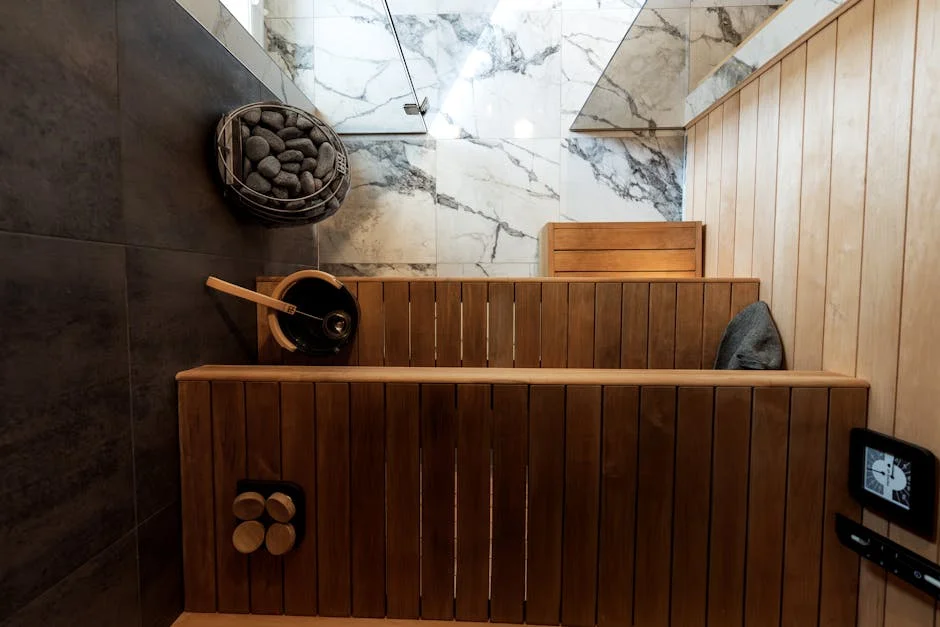
The temperature probe is a small component with outsized impact on how well your sauna performs. Controllers use the probe reading to determine when to cycle the heater on and off. A poorly placed probe , too close to the heater, near a cold air intake, or positioned where it measures wall temperature rather than room air , produces inaccurate readings and inconsistent sauna temperature.
For traditional dry saunas, the probe is typically mounted on the wall at bench height, away from direct radiant exposure from the heater. For infrared cabinets, the probe position specified in the control box installation guide should be followed exactly. Owner reports consistently attribute temperature regulation complaints to probe placement errors rather than controller malfunction.
Ventilation Planning
Sauna ventilation affects air quality, humidity management, and heater efficiency. A traditional Finnish sauna needs roughly 3, 8 air changes per hour depending on room size. An under-ventilated sauna accumulates CO₂, produces uneven heat distribution, and places extra thermal load on the heater as it struggles to maintain target temperature.
Fresh air intake near the floor (within 6, 8 inches of the floor, adjacent to or below the heater) and exhaust near the ceiling on the opposite wall is the standard configuration. For enclosed cabinet saunas, a purpose-rated fan with appropriate temperature specifications handles forced ventilation. Plan the ventilation solution alongside the electrical circuit , both need to be in place before the first session.
Permits, Inspections, and Licensed Electrical Work
A 220V sauna installation almost always requires an electrical permit in U.S. jurisdictions. The permit process triggers an inspection, which is the mechanism that catches wiring errors before they cause fires. Skipping the permit to avoid cost or delay is a poor trade , insurance coverage for fire damage in an unpermitted electrical installation is frequently voided.
The electrician pull on the permit, run the dedicated circuit, install the GFCI breaker, and make the final connections to the controller or control panel. The sauna owner’s role in that phase is to select components with appropriate ratings and provide accurate heater specifications. Selecting budget-tier components is a reasonable choice; selecting unrated or mismatched components to save money is not.
Frequently Asked Questions
What size breaker do I need for a 220V sauna heater?
Breaker size depends on your heater’s wattage and your local electrical code. A 6KW heater at 240V draws 25 amps and typically requires a 30-amp breaker; a 9KW unit typically requires a 40-amp breaker; a 12, 15KW heater may require 50, 60 amps. Your licensed electrician will calculate the exact requirement based on your heater’s nameplate data, wire run length, and applicable code. Never size a breaker below the calculated load.
Can I use a dry sauna controller for an infrared sauna?
No. Dry sauna controllers manage resistive heating elements and are designed for the load profiles of stone heaters. Infrared sauna control boxes manage panel sequencing and far-infrared emitters with different electrical characteristics. The Infrared Sauna Electrical Control Box and Infrared Sauna LCD Control Panel is an example of a unit designed specifically for infrared systems.
Do I need a GFCI breaker for a sauna installation?
In most U.S. jurisdictions, yes. The NEC and many local codes require GFCI protection for sauna circuits because the combination of high heat and potential moisture creates elevated shock risk. A GFCI breaker at the panel is the standard approach , it protects the entire circuit rather than individual outlets. Confirm requirements with your licensed electrician and local building department before pulling a permit.
Where should the temperature probe be mounted in a sauna room?
For traditional dry saunas, the probe should mount on the wall at approximately bench height , typically 36, 40 inches from the floor , away from direct radiant exposure from the heater. This position reads the temperature a bather actually experiences rather than the radiant heat immediately adjacent to the stones. Mounting too close to the heater causes the controller to cycle off prematurely, resulting in a sauna that never reaches target temperature. Follow your specific controller’s installation guide for exact positioning.
Is ventilation required for a 220V sauna installation?
Ventilation is required for safe and effective sauna operation, though specific code requirements vary by jurisdiction and sauna type. Traditional Finnish saunas need fresh air intake near the floor and exhaust near the ceiling to maintain oxygen levels and manage humidity. Infrared saunas in enclosed cabinets benefit from controlled airflow to prevent CO₂ buildup during longer sessions. The Wathai EC 120mm x 25mm Cooling Ventilation Exhaust Fan is suited for this purpose in enclosed installations.
Where to Buy
Yosoo Sauna Controller Sauna Heater Stove Temperature Controller Plastic Sauna Heater Stove External Digital Controller and Thermostat Sensor with Temperature Probe Wire for 3‑9KW Sauna Heater 220VSee Yosoo Sauna Controller Sauna Heater S… on Amazon