Finlandia Sauna Heater Buyer's Guide: How to Choose

Affiliate disclosure: Some links on this page are affiliate links. If you buy through them we earn a small commission at no extra cost to you. Recommendations are research-driven; we don't claim personal use of every product reviewed. Product prices and availability are accurate as of the date published and are subject to change. Always check Amazon for current pricing before purchasing. Learn more.
Quick Picks
Harvia Finlandia Element for 8kw 240v/1ph Sauna Heater, ZSL-316, FH79-240V
Authentic high-temperature Finnish sauna experience with löyly capability
Buy on AmazonFinlandia/Harvia FLB-80/KIP-80B Sauna Heater, 8kw 240v/1ph, Maximum 425 cubic feet
Authentic high-temperature Finnish sauna experience with löyly capability
Buy on AmazonHarvia Cilindro 220v Sauna Heater, Electric Sauna Stove with Open Front Design, Large Stone Surface & Capacity for Sauna Rocks, Wet or Dry Saunas, Includes Stones (6kW- Digital)
Authentic high-temperature Finnish sauna experience with löyly capability
Buy on Amazon| Product | Price Range | Top Strength | Key Weakness | Buy |
|---|---|---|---|---|
| Harvia Finlandia Element for 8kw 240v/1ph Sauna Heater, ZSL-316, FH79-240V best overall | $$$ | Authentic high-temperature Finnish sauna experience with löyly capability | Requires longer preheat time compared to infrared alternatives | Buy on Amazon |
| Finlandia/Harvia FLB-80/KIP-80B Sauna Heater, 8kw 240v/1ph, Maximum 425 cubic feet also consider | $$$ | Authentic high-temperature Finnish sauna experience with löyly capability | Requires longer preheat time compared to infrared alternatives | Buy on Amazon |
| Harvia Cilindro 220v Sauna Heater, Electric Sauna Stove with Open Front Design, Large Stone Surface & Capacity for Sauna Rocks, Wet or Dry Saunas, Includes Stones (6kW- Digital) also consider | $$$ | Authentic high-temperature Finnish sauna experience with löyly capability | Requires longer preheat time compared to infrared alternatives | Buy on Amazon |
| Harvia Cilindro 6.8 kW Sauna Heater also consider | $$$ | Authentic high-temperature Finnish sauna experience with löyly capability | Requires longer preheat time compared to infrared alternatives | Buy on Amazon |
| Harvia Cilindro 6.8kw HB Sauna Heater w/Stones also consider | $$$ | Authentic high-temperature Finnish sauna experience with löyly capability | Requires longer preheat time compared to infrared alternatives | Buy on Amazon |
Finding the right electric sauna heater is one of the most consequential decisions in a traditional sauna build. The heater determines how quickly your room reaches temperature, how much stone mass is available for löyly, and whether the heat feels authentically Finnish or merely warm. Buyers searching for a Finlandia sauna heater are typically looking for that specific combination: high-capacity stone beds, robust wattage, and the kind of convective heat that rises evenly through a properly built traditional sauna room.
The field is narrower than it looks. Most serious electric heaters in this category come from Harvia or the Finlandia/Harvia partnership, and the distinctions between models matter more than the branding suggests. Understanding what separates the right heater for your room from the wrong one requires a clear view of the underlying criteria.
What to Look For in a Traditional Sauna Heater
Kilowatt Rating and Room Volume
Wattage is the first number to match against your sauna’s cubic footage. The general industry guideline calls for roughly 1 kW per 45 cubic feet of insulated sauna space, though poorly insulated rooms, exterior walls, or large amounts of tile or glass typically require stepping up a size. A heater that is undersized for its room will struggle to reach target temperatures and will cycle continuously under load , shortening its service life and delivering inconsistent heat.
Manufacturer room volume specifications exist for a reason. The Finlandia/Harvia FLB-80/KIP-80B, for instance, is rated for rooms up to 425 cubic feet. That ceiling is not a rough estimate , it reflects the heater’s tested output capacity at standard voltage. Exceeding it by a wide margin will mean a heater that never fully satisfies the room.
Erring one size up is usually sound practice if your room sits near the top of a heater’s rated range, if you have non-insulated concrete floors, or if the sauna is located in an unheated outbuilding in a cold climate.
Stone Capacity and Löyly Quality
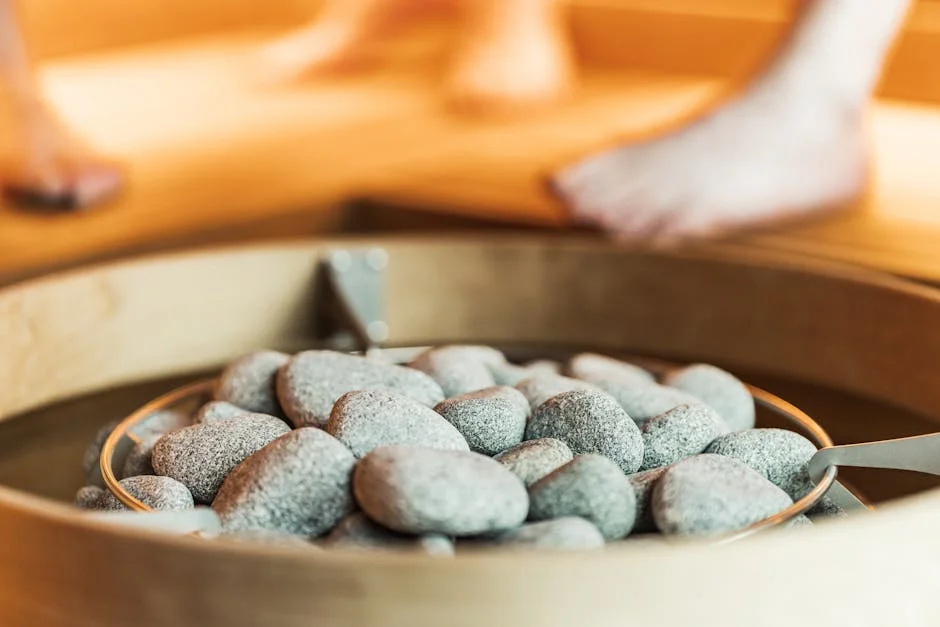
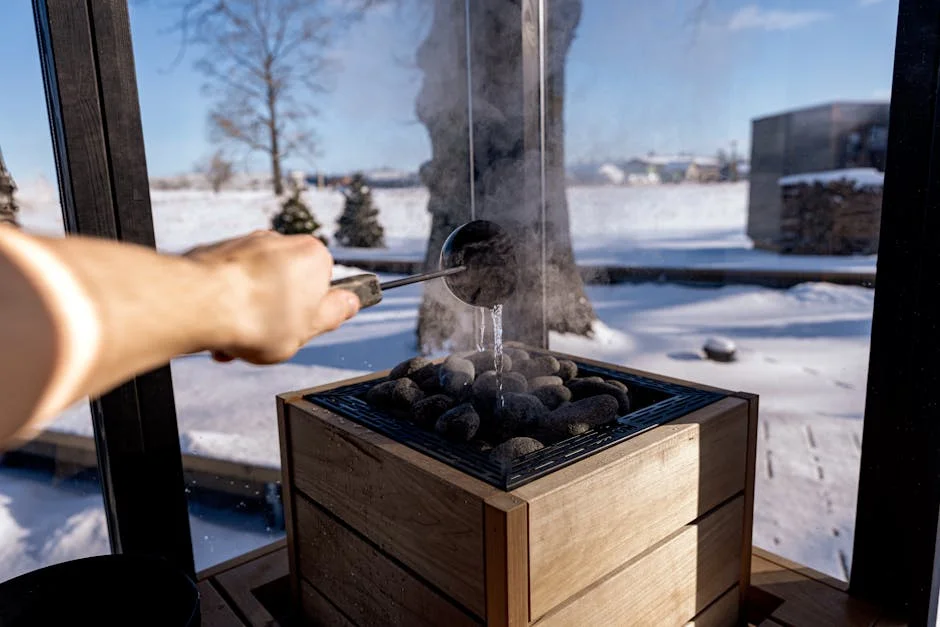
Stone mass is the variable that separates a traditional Finnish sauna experience from a dry heat box. When water is poured over hot stones , the practice known as löyly , the stones must absorb enough heat to flash that water into steam without dropping dramatically in surface temperature. A small stone bed produces weak, short-lived steam. A large, properly heated stone bed produces the kind of dense, rolling löyly that Finnish sauna culture is built around.
Heaters in this class typically hold between 15 and 33 kilograms of sauna stone. The stone type matters too: olivine diabase and peridotite are preferred for their thermal density and longevity under repeated heat cycling. Cheap stone substitutes crack and crumble under thermal stress, releasing dust and reducing capacity over time.
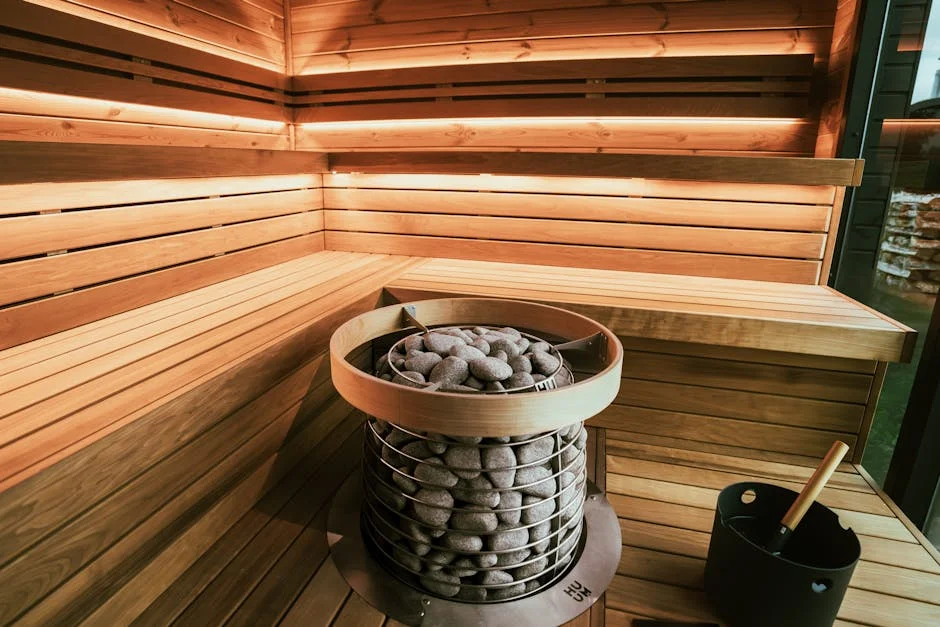
When evaluating any heater, look at both the stated stone capacity in kilograms and the geometry of the stone basket. Open-top and cylindrical designs that allow water to penetrate deep into the stone bed will produce more even steam than shallow trays where water only contacts the top layer.
Voltage, Wiring, and Installation Requirements
Electric sauna heaters in this power range , 6 kW to 8 kW , require dedicated 240V circuits. This is not a detail to work around. A 240V/1-phase configuration is standard for residential installations in North America; verifying your panel has the available capacity and a compliant circuit before purchasing is essential. Installation without a dedicated circuit breaker and proper gauge wiring is both a code violation and a fire risk.
Some heaters include built-in digital controls; others require a separate wall-mounted control panel sold independently. Confirming what is and is not included in the box before purchase prevents a delayed installation when you discover the control unit is sold separately.
If your installation involves a building permit , which most permanent sauna builds should , the heater’s UL listing or equivalent certification will be a requirement. Reviewing the full electrical specifications, including those available from a broader look at traditional sauna heaters, before finalizing your order is worth the additional time.
Preheat Time and Usage Patterns
Electric heaters in the 6, 8 kW range typically require 30 to 60 minutes to bring a properly sized room to temperature. This is not a flaw , it reflects the thermal mass being heated. Anyone who uses their sauna daily or on a fixed schedule will barely notice. Buyers who want near-instant heat are better served by infrared alternatives; buyers who want an authentic Finnish sauna experience accept preheat time as part of the ritual.
Usage frequency and session duration both influence heater selection. A heater used several times per week should be sized conservatively within its rated range, allowing it to run at a comfortable load rather than at maximum output. Heavy use on a heater pushed to its upper ceiling will shorten element life.
Top Picks
Harvia Finlandia Element for 8kw 240v/1ph Sauna Heater
The Harvia Finlandia Element 8kW is an 8 kW, 240V/single-phase electric heater built to deliver the high-temperature, high-humidity experience that traditional Finnish sauna demands. The heater’s stone capacity supports meaningful löyly , owner reports consistently describe dense, long-lasting steam when water is poured over a fully preheated stone bed. For buyers who built or are building a room specifically to replicate the Finnish experience, the combination of wattage and stone mass here is the right foundation.
What distinguishes this unit in community discussion is its reliability under regular, high-frequency use. Verified buyers note that the heating elements hold up well over multiple years of weekly sessions, and that the heat distribution across the room is even rather than concentrated near the unit. Preheat time runs in the 40, 55 minute range for a properly sized room, which is expected for a unit of this mass.
This heater is appropriate for buyers with rooms in the mid-range cubic footage band , not undersized spaces where the 8 kW output would be excessive, and not for the largest custom builds where additional capacity would be needed. The ZSL-316 control specification is worth confirming against your installation plan before ordering.
Check current price on Amazon.
Finlandia/Harvia FLB-80/KIP-80B Sauna Heater
The Finlandia/Harvia FLB-80/KIP-80B is the most directly targeted option for buyers searching the Finlandia name. Rated at 8 kW, 240V/single-phase, and specified for rooms up to 425 cubic feet, it covers the range that encompasses most residential sauna builds , a 6×8 room with standard ceiling height sits comfortably inside that envelope.
The Finnish sauna tradition it is designed around is not a marketing frame , it reflects specific design choices. The stone bed geometry is built to accept löyly properly: water poured into the basket reaches deep enough into the heated stone mass to produce steam that rises broadly rather than flashing off the surface. Owners with older Finlandia units who have replaced or upgraded to this model consistently report that the experience is preserved and, in many cases, improved.
The 425-cubic-foot ceiling is a realistic specification. Rooms that push above it will likely feel underpowered at the upper end of session time. For those rooms, stepping up to a higher-wattage unit or a two-heater configuration is the more reliable path. Within its rated range, owner consensus points to this as the most straightforward recommendation for buyers who specifically want the Finlandia lineage.
Check current price on Amazon.
Harvia Cilindro 220v Sauna Heater (6kW Digital)
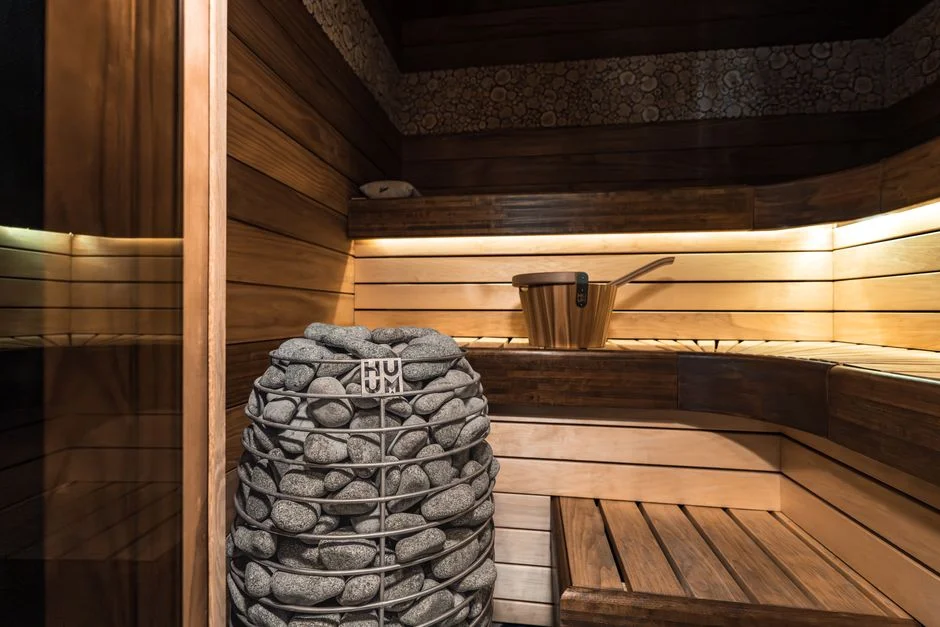
The Harvia Cilindro 220V 6kW Digital takes a different physical approach to the same goal. The cylindrical open-front design , which gives the Cilindro line its name , exposes a large surface area of stones and allows water to be poured from multiple angles, reaching deeper into the mass than a conventional flat-top basket permits. The included digital controller adds programmability that the more traditional panel-control units in this group do not offer at the same price tier.
Harvia’s specification data shows the Cilindro at 6 kW producing strong output for its wattage class, supported by a stone-to-element ratio that keeps surface temperatures high enough for effective löyly even toward the end of a session. The open design also has a visual effect that owner reviews frequently mention: stones visible at room level contribute to the ambiance in a way that an enclosed element housing does not.
The stones included with this unit are a practical addition for buyers who would otherwise source sauna rock separately. For rooms in the 150, 250 cubic foot range, the 6 kW output paired with the Cilindro’s thermal geometry is a sound match.
Check current price on Amazon.
Harvia Cilindro 6.8 kW Sauna Heater
Harvia positions the Cilindro 6.8 kW at the step between the 6 kW digital model and the full 8 kW heaters in this group. That 0.8 kW difference has a practical consequence: it expands the rated room volume ceiling without requiring the wiring load of the 8 kW units, and for buyers whose rooms fall in the 250, 320 cubic foot range, it avoids the slight overkill of stepping to 8 kW.
The cylindrical form factor is the same as the broader Cilindro line , open stone surface, consistent access for löyly, and the characteristic heat radiation pattern that Harvia’s design work on this series has refined over several product generations. Community field reports from r/Sauna note that the 6.8 kW variant is popular among owner-builders doing mid-size rooms precisely because it sits in a sweet spot between output and installation complexity.
This is a strong choice for buyers who have accurately measured their room and find it sitting between what a 6 kW handles comfortably and what truly justifies 8 kW. Matching the heater to the room rather than defaulting to maximum wattage produces better long-term results , elements run at a sustainable load, and heat distribution is more even.
Check current price on Amazon.
Harvia Cilindro 6.8kW HB Sauna Heater w/Stones
The Harvia Cilindro 6.8kW HB is the variant of the 6.8 kW Cilindro that ships with stones included and carries the HB designation , a notation that reflects a specific control and element configuration within the Cilindro line. For buyers sourcing a complete sauna setup who do not want to order rocks separately, the bundled stone inclusion removes one step and one additional shipment from the installation process.
The performance profile mirrors the 6.8 kW Cilindro closely, as expected from the same core unit. Owner accounts confirm the löyly quality is consistent with others in the Cilindro range , the open cylindrical basket facilitates proper steam generation, and the heat holding capacity between pours allows for the kind of extended, multi-pour sauna session that Finnish tradition supports.
Where this model earns its place as a distinct consideration is for buyers equipping a new build who want a verified heater-and-stone pairing from a single manufacturer source. Harvia’s included stones are matched to the heater’s thermal output rather than generic fill, which matters for long-term performance of the stone bed. For most buyers in the 6.8 kW range, the choice between this model and the standard 6.8 kW variant will come down to whether the bundled stones represent practical value for their setup.
Check current price on Amazon.
Buying Guide
Matching Wattage to Room Size
The most common heater selection mistake is choosing by brand or aesthetics before confirming that the wattage matches the room’s actual cubic footage. Undersizing produces a heater that runs at full output continuously and never achieves target temperature. Oversizing wastes energy and produces heat that is difficult to regulate. Measure the room’s interior dimensions , length, width, and ceiling height , before comparing any heater specifications.
Account for thermal penalties. A sauna with a large glass wall, uninsulated concrete floor, or exterior exposure on two or more walls requires a heater sized for a larger room than its raw cubic footage suggests. Standard rule of thumb: add 25, 30 percent to the calculated cubic footage before selecting a heater if any of these conditions apply.
Understanding Control Systems
Electric sauna heaters in this category operate on one of two control configurations: integrated digital controllers (as on the Cilindro 6kW Digital) or external wall-mounted control panels sold separately. Knowing which configuration you are purchasing before the unit arrives prevents installation delays.
Digital controls offer programmable timers, temperature limits, and remote startup capability , features that matter if you use your sauna on a schedule. Analog panel controls are simpler, more durable under humidity stress, and easier to service. Neither is universally superior; the choice depends on how the sauna will be used and how much operational convenience matters to the specific household. Confirming the control type and verifying compatibility with your electrical plan is part of the pre-purchase checklist that every buyer building a traditional sauna should complete.
Stone Selection and Maintenance
The stones that come with a heater , or that a buyer sources separately , are part of the heater’s long-term performance equation. Sauna stones degrade under repeated thermal cycling. Olivine diabase, peridotite, and similar dense volcanic rock types hold heat longer, resist cracking better, and last several years under regular use. Cheap granite or porous alternatives crack sooner, shed dust into the room, and reduce the stone bed’s effective thermal capacity.
Stones should be inspected annually and replaced in partial lots as cracking appears. Full replacement of the stone bed is typically recommended every three to five years under regular use, though this varies with session frequency and how aggressively löyly is applied. Replacing stones on schedule is a maintenance step that most first-time sauna owners underestimate until element or basket damage from a compromised stone bed becomes the more expensive problem.
Electrical Requirements and Permitting
For 8 kW units operating at 240V/1-phase, the amperage draw requires appropriate wire gauge and a correctly rated breaker , confirm the specific requirements against your local electrical code, not just the heater’s manual. Panel capacity must be assessed before ordering, particularly in older homes where the service panel may already be near capacity.
Permanent sauna installations in most jurisdictions require a building permit, and the permit inspection will check the heater’s listed certification and the circuit installation. Purchasing a heater that lacks appropriate certification for your jurisdiction is a problem that surfaces at inspection, not at the time of purchase. Verify certification markings before ordering if your installation will be inspected.
Sauna Room Preparation as a Prerequisite
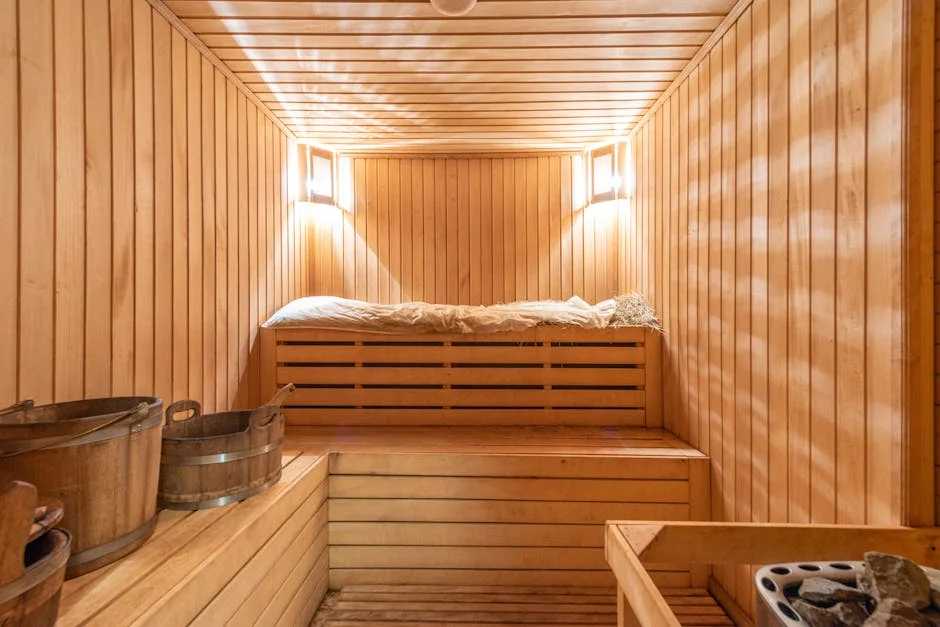
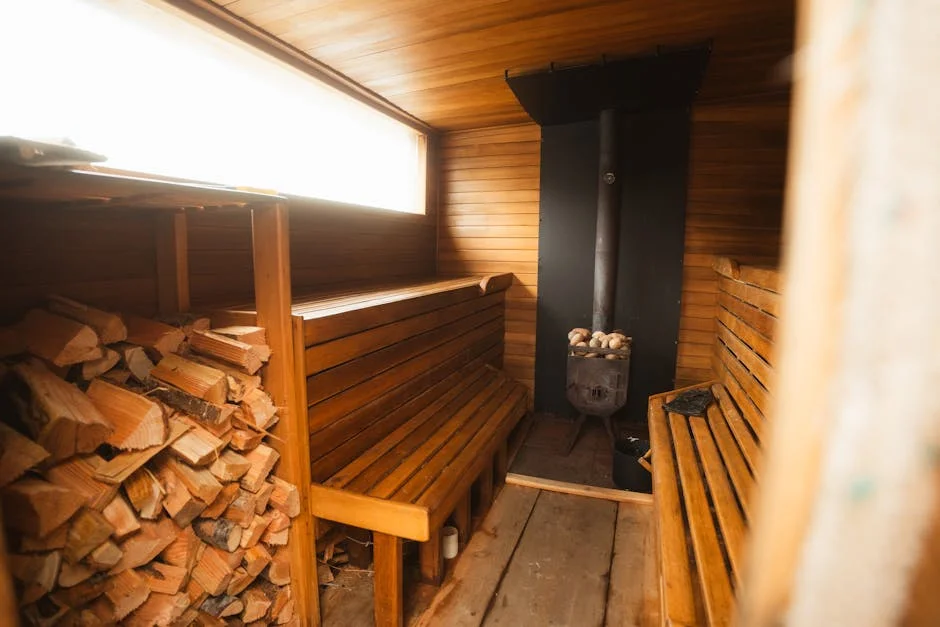
The heater is only as effective as the room it operates in. Vapor barrier, insulation R-value, ceiling height, and bench layout all affect how efficiently the heater heats the space and how the heat distributes across bench levels. Kiuas-centric Finnish sauna design places the heater in a corner opposite the benches, with bench height calibrated so that the primary seating level sits in the hottest zone , roughly two feet below the ceiling.
Getting the room right before installing the heater is the more efficient order of operations. A properly built and insulated room will outperform an improperly built room regardless of the heater selected. Buyers who build first and select the heater last , after confirming final room dimensions and insulation values , will make a more accurate sizing decision than those who select a heater and build around it.
Frequently Asked Questions
What is the difference between the Finlandia/Harvia FLB-80 and the Harvia Finlandia Element 8kW?
Both are 8 kW, 240V/single-phase electric heaters from the Harvia/Finlandia partnership, and both are rated for similar room volumes. The FLB-80/KIP-80B carries the Finlandia brand designation and is specified for up to 425 cubic feet. The ZSL-316 Element variant differs in control compatibility and basket geometry , buyers should compare the included control specifications against their installation plan to confirm which aligns with their wiring and control setup.
How do I know if my sauna room needs a 6 kW or 8 kW heater?
Calculate your room’s cubic footage , length × width × ceiling height , and apply the 1 kW per 45 cubic feet guideline as a baseline. A room under 270 cubic feet is a candidate for a 6 kW unit; rooms from 270 to 425 cubic feet are typically served better by 8 kW. Add a thermal penalty of 25, 30 percent to your cubic footage if your room has uninsulated concrete, significant glass, or exterior wall exposure on multiple sides.
Can I use these heaters for both wet and dry sauna sessions?
Yes. The Harvia Cilindro models are explicitly designed for both, and the open stone basket geometry facilitates löyly , the practice of pouring water over hot stones , more effectively than enclosed basket designs. The Finlandia-branded 8 kW units are equally capable of wet sessions; stone capacity and temperature are sufficient for meaningful steam generation when water is applied correctly.
How long does it take these heaters to reach sauna temperature?
Electric heaters in the 6, 8 kW range typically require 40 to 60 minutes to bring a properly sized room to 170, 185°F. Rooms that are well-insulated and close to the lower end of the heater’s rated volume will reach temperature faster. Rooms that push toward the upper ceiling of the heater’s rated range or that have thermal penalties from glass or uninsulated surfaces will take longer. Preheat time is an expected characteristic of traditional electric sauna , it is not a performance deficiency.
Do I need a separate control panel for any of these heaters?
The Harvia Cilindro 220V 6kW Digital includes an integrated digital controller. The other models , both 8 kW Finlandia/Harvia units and the two standard Cilindro 6.8 kW variants , typically require a compatible wall-mounted control panel that may be sold separately. Confirm what is included in the box for the specific model you are ordering, and verify that the control panel you source is rated for the heater’s wattage and voltage configuration before installation.
Where to Buy
Harvia Finlandia Element for 8kw 240v/1ph Sauna Heater, ZSL-316, FH79-240VSee Harvia Finlandia Element for 8kw 240v… on Amazon