Home Indoor Sauna Buyer's Guide: Types and Options

Affiliate disclosure: Some links on this page are affiliate links. If you buy through them we earn a small commission at no extra cost to you. Recommendations are research-driven; we don't claim personal use of every product reviewed. Product prices and availability are accurate as of the date published and are subject to change. Always check Amazon for current pricing before purchasing. Learn more.
Quick Picks
OUTEXER Traditional Steam Sauna Home Spa Room for 2-3 Person Steam Wet Indoor Saunas with 240V 3KW Heater,Sauna Stone, Water Bucket, Ladle, LED Lights
Quality construction suited to regular home sauna use
Buy on AmazonX-Vcak 2 Person Sauna, Extra Large Sauna, Portable Steam Sauna Tent with 2 Steamers, 2 Folding Chair, 71”x 49”x 36”, Black
Quality construction suited to regular home sauna use
Buy on AmazonGeneric 3 Person Infrared Sauna 0-5mG Ultra Low EMF Far Infrared Sauna for Home 2130W/20A Canadian Hemlock Indoor Sauna with Front Door Heating Panel, Chromotherapy Lights
Quality construction suited to regular home sauna use
Buy on Amazon| Product | Price Range | Top Strength | Key Weakness | Buy |
|---|---|---|---|---|
| OUTEXER Traditional Steam Sauna Home Spa Room for 2-3 Person Steam Wet Indoor Saunas with 240V 3KW Heater,Sauna Stone, Water Bucket, Ladle, LED Lights best overall | $$$ | Quality construction suited to regular home sauna use | Confirm specifications match your specific installation space and electrical requirements | Buy on Amazon |
| X-Vcak 2 Person Sauna, Extra Large Sauna, Portable Steam Sauna Tent with 2 Steamers, 2 Folding Chair, 71”x 49”x 36”, Black also consider | $$$ | Quality construction suited to regular home sauna use | Confirm specifications match your specific installation space and electrical requirements | Buy on Amazon |
| Generic 3 Person Infrared Sauna 0-5mG Ultra Low EMF Far Infrared Sauna for Home 2130W/20A Canadian Hemlock Indoor Sauna with Front Door Heating Panel, Chromotherapy Lights also consider | $$$ | Quality construction suited to regular home sauna use | Confirm specifications match your specific installation space and electrical requirements | Buy on Amazon |
| MEISSALIVVE Full Spectrum Infrared Sauna,2-3 Person Home Sauna,Wooden Canadian Hemlock Indoor Spa Sauna with Resonance Speaker, Panoramic Tempered Glass Door also consider | $$$ | Quality construction suited to regular home sauna use | Confirm specifications match your specific installation space and electrical requirements | Buy on Amazon |
| Portable Steam Sauna Tent for Home 3L Infrared Sauna for Indoor, Outdoor, Gym, Spa also consider | $$$ | Quality construction suited to regular home sauna use | Confirm specifications match your specific installation space and electrical requirements | Buy on Amazon |
Home saunas have moved from luxury amenity to practical home wellness investment , and the range of options available for indoor installation reflects that shift. Whether the goal is a permanent cedar cabin with a traditional steam heater or a portable tent that sets up in twenty minutes, the right choice depends on space, electrical access, and how often the sauna will actually be used. This guide covers the full spectrum of indoor saunas now available for home use.
The options divide cleanly into two categories: permanent cabin-style units (both infrared and traditional steam) and portable steam tents. Each serves a different buyer. Understanding which category fits your situation before comparing specific models will save time and avoid a return.
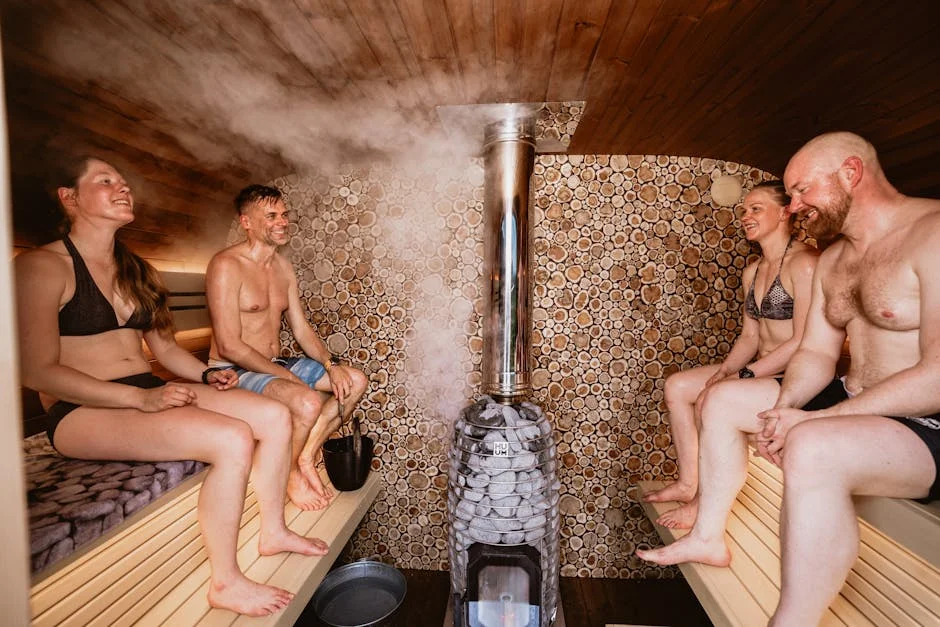
What to Look For in a Home Indoor Sauna
Heat Type: Infrared vs. Traditional Steam
The decision between infrared and traditional steam shapes everything else , the electrical requirements, the wood selection, the maintenance routine, and the experience itself. Traditional steam saunas heat the air and surfaces to high temperatures, typically between 150°F and 195°F, and allow the user to pour water over hot stones to generate humidity. Infrared saunas operate at lower ambient temperatures, roughly 120°F to 140°F, using panels that radiate heat directly into the body rather than heating the air first.
Neither is objectively superior. r/Sauna community reports consistently show that traditional steam loyalists value the authenticity of the heat-and-humidity cycle , löyly, the steam created by ladling water over stones, is central to Finnish sauna tradition. Infrared advocates cite faster heat-up times, lower operating temperatures that some users find easier to tolerate, and lower electrical draw in most configurations. The honest answer is that the heat type that will get used regularly is the right one.
Space Requirements and Structural Planning
A permanent cabin-style sauna requires a dedicated floor space commitment. Most two-person units need a footprint of roughly 35 to 50 square feet, plus clearance on all sides for air circulation. The floor must tolerate heat and occasional moisture , concrete, tile, and properly sealed hardwood all work; carpet does not. Wall clearances matter too: most manufacturers specify minimum distances from combustible materials, and those requirements need to be verified before installation, not after.
Portable steam tent saunas require far less planning. A typical two-person tent collapses to a storage bag and sets up on any flat, moisture-tolerant floor surface. The trade-off is the experience: you sit inside a fabric enclosure with your head out, which is functional but not equivalent to a full immersive cabin session.
Electrical Requirements
Permanent sauna units are the largest electrical consideration in this category. Traditional steam heaters in the 3kW range require a dedicated 240V circuit , the same type used for electric dryers and ranges. Infrared units in the 2000W range typically draw 20 amps at 120V or 240V depending on the model. Both require a dedicated circuit; running a sauna on a shared general-purpose circuit is a fire and breaker hazard.
Before purchasing a cabin-style unit, confirm with a licensed electrician that your panel has capacity for a new dedicated circuit. If the panel is already at or near capacity, that work cost is part of the real installation budget. Portable steam tents, by contrast, typically run on standard 120V household outlets and require no electrical planning.
Ventilation and Permits
Permanent indoor saunas need adequate ventilation , both for air quality during use and to manage moisture migration into adjacent walls. Most installations include a low fresh-air intake and a high exhaust vent. Without proper airflow, carbon dioxide accumulates and the sauna becomes uncomfortable quickly; moisture without ventilation damages surrounding structures over time.
Permit requirements vary by municipality. Many jurisdictions require an electrical permit for the new dedicated circuit at minimum, and some require a building permit for the structure itself if it is permanently installed. Checking with your local building department before installation avoids fines and potential complications at resale. Exploring the full range of home sauna installation options before committing to a specific unit is worth doing before a purchase is made.
Top Picks
OUTEXER Traditional Steam Sauna Home Spa Room
The OUTEXER Traditional Steam Sauna Home Spa Room is a permanent cabin-style traditional steam unit sized for two to three people , the format closest to what most buyers picture when they think of a home sauna. It ships with a 3kW 240V heater, sauna stones, a water bucket and ladle, and LED lighting, which means the core accessories are included rather than requiring separate sourcing.
The 3kW heater operating on 240V is the central installation requirement. A dedicated 240V circuit is non-negotiable here , this is not a unit that can be plugged into a standard wall outlet. The electrical work typically requires a licensed electrician and an electrical permit. Verified buyer reports note that once the circuit is in place, the heater performs consistently and reaches usable temperatures within 30 to 45 minutes from a cold start, which is competitive for a traditionally heated cabin.
Construction quality in the verified owner reviews draws generally positive commentary, with the wood assembly noted as solid relative to the price band. The unit does require assembly, and fit-and-finish varies slightly between units , standard for this product category. Spacing requirements for the cabinet relative to walls and combustible materials should be confirmed against the manufacturer’s installation documentation before choosing a location.
Check current price on Amazon.
X-Vcak 2 Person Sauna, Extra Large
The X-Vcak 2 Person Sauna occupies an unusual position in this category: a portable steam tent format at a footprint larger than most competing tents, measuring 71 inches tall by 49 inches deep by 36 inches wide. That extra volume makes a real practical difference. Standard portable sauna tents are sized for one person seated in a chair; the X-Vcak is built for two, with two steamers and two folding chairs included.
The portable format means no electrical planning beyond standard outlet access, no permits in most jurisdictions, and no permanent floor commitment. Setup is a fabric tent assembly , no tools, no panel installation, no structural work. For renters, for buyers who are uncertain about a long-term installation commitment, or for households where the sauna will move between rooms or locations, this flexibility is the primary argument for the format.
Owner reports consistently note that the steam experience inside a tent sauna is different from a cabin sauna , the ambient air temperature is lower and the steam is more localized. The head remains outside the enclosure, which eliminates the full-body immersive heat characteristic of a cabin session. For buyers whose primary goal is muscle relaxation and perspiration rather than a traditional high-heat sauna experience, the distinction matters less. For buyers seeking the authentic cabin sauna environment, a permanent unit is the stronger option.
Check current price on Amazon.
3 Person Infrared Sauna, Ultra Low EMF
The 3 Person Infrared Sauna is a full cabin-style infrared unit built from Canadian hemlock, sized for three people, with a rated EMF output of 0, 5 milligauss across the heating panels. The ultra-low EMF specification addresses a genuine buyer concern , prolonged close-proximity exposure to electromagnetic fields from heating panels is a documented consideration in the infrared sauna category, and verified EMF ratings matter when evaluating infrared units.
At 2130W drawing 20 amps, this unit typically requires a dedicated 240V/20A circuit, though some configurations may accommodate a 120V/20A dedicated circuit depending on wiring. Confirming the electrical specification with an electrician before installation is the right process regardless. The Canadian hemlock construction is a meaningful material choice , hemlock is dimensionally stable, handles repeated heat cycling well, and is a common choice among established infrared sauna manufacturers for those reasons.
The front door heating panel and chromotherapy lighting are functional additions rather than marketing extras. Chromotherapy , color-spectrum LED lighting , is a standard feature at this product tier, and owner reviews reflect consistent positive commentary on the overall build quality. The three-person capacity makes this unit appropriate for larger installations or for households where solo use of a larger cabin is the preference. Floor space requirements put this squarely in the dedicated-room or large-bathroom category.
Check current price on Amazon.
MEISSALIVVE Full Spectrum Infrared Sauna
Full-spectrum infrared means the MEISSALIVVE Full Spectrum Infrared Sauna emits near-, mid-, and far-infrared wavelengths simultaneously rather than far-infrared only. Near-infrared operates at shorter wavelengths and shallower tissue penetration; far-infrared operates at longer wavelengths and deeper penetration. Whether the full-spectrum distinction produces meaningfully different outcomes compared to far-infrared-only units is a topic of ongoing discussion in r/Sauna and in sauna research communities , the evidence for specific benefits of near-infrared remains less settled than the evidence base for far-infrared generally.
What is concrete: the MEISSALIVVE is a two-to-three person Canadian hemlock unit with a panoramic tempered glass door and a built-in Bluetooth speaker system. The glass door is a significant aesthetic differentiator , most cabin saunas use wood-framed doors with small glass panels; a panoramic glass front changes the room presence of the unit substantially. Owner feedback notes the speaker system as genuinely functional rather than token, which matters for buyers who plan regular long sessions.
Electrical requirements follow the same pattern as other cabin infrared units at this size , a dedicated circuit is required, and the specific amperage and voltage should be confirmed against the manufacturer’s installation specifications before finalizing placement. The hemlock construction and the glass door combination put this unit at the premium end of the home infrared category, and verified buyer reports support the quality framing.
Check current price on Amazon.
Portable Steam Sauna Tent for Home
Setup requires no tools, no electrical planning, and no permanent floor space. The 3-liter steamer capacity is adequate for a standard solo session without refilling, which verified buyers note as a practical advantage over smaller-capacity competing tents.
The honest framing for this category is the same as for the X-Vcak: the experience inside a tent sauna is not equivalent to a cabin session. The ambient temperature differential is significant, and the seated-with-head-out format limits the full-body heat immersion that characterizes traditional and infrared cabin saunas. For buyers whose primary goal is accessible, low-commitment steam exposure , or who are evaluating sauna use before committing to a permanent installation , the portable tent delivers a functional result at a fraction of the footprint and complexity.
Storage and portability are the genuine strengths here. The unit collapses to a manageable bag, stores in a closet, and can be used in any room with a flat floor and a standard outlet. For apartment dwellers, for buyers with limited installation budgets, or as a secondary unit to complement a primary cabin sauna, the portable tent format makes practical sense.
Check current price on Amazon.
Buying Guide
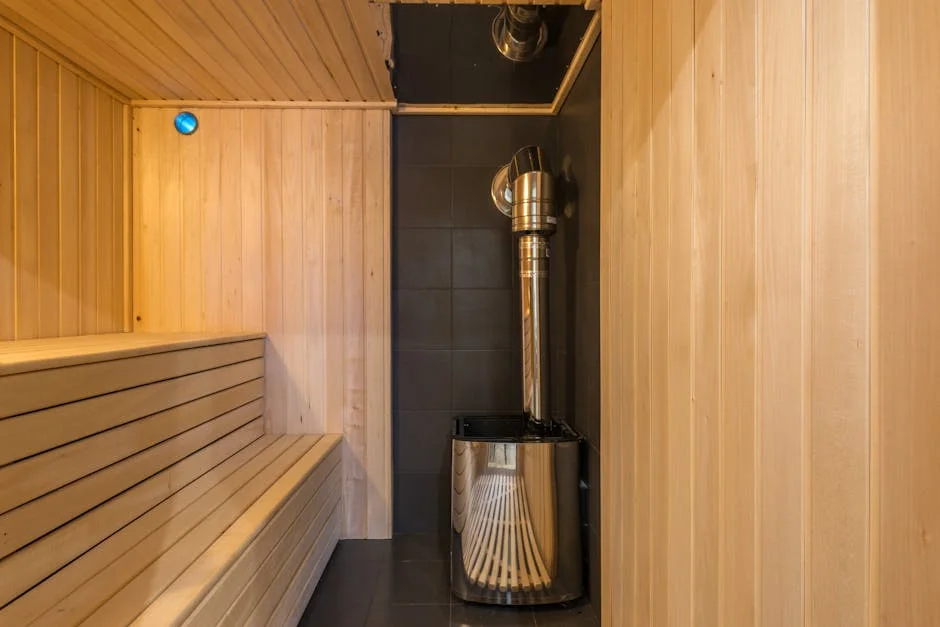
Cabin vs. Portable: The First Decision
The most consequential choice in this category is format, not brand. Permanent cabin saunas , whether traditional steam or infrared , require dedicated electrical circuits, floor space commitment, and in many municipalities, permits. Portable steam tents require none of those things. The decision tree is straightforward: if you own your space, have access to a licensed electrician, and intend to use the sauna regularly for years, a permanent cabin unit is the appropriate choice. If you rent, have installation constraints, or are evaluating whether sauna use is a habit you want to build before committing significant resources, a portable tent is the rational starting point. Browsing the full range of indoor sauna formats before committing helps clarify which category fits your actual situation.
Infrared vs. Traditional Steam for Home Use
Within the cabin category, the heat-type decision is the second major fork. Traditional steam requires a 240V heater and produces high ambient air temperature with adjustable humidity via the stone-and-water cycle. Infrared operates at lower ambient temperatures, heats up faster, and typically draws less peak power , though a dedicated circuit is still required at cabin scale. Owner consensus in the sauna community points to traditional steam as the preferred format for buyers with Finnish or Nordic sauna backgrounds, or for those who prioritize the löyly experience specifically. Infrared draws strong preference from buyers who want a shorter heat-up window, a lower ambient temperature, or the full-spectrum wavelength options available in premium units.
Electrical Planning
Every permanent home sauna requires a dedicated electrical circuit. Traditional steam heaters at 3kW require 240V; infrared cabin units typically require a dedicated 20-amp circuit at either 120V or 240V depending on the model. A shared circuit with other appliances creates breaker trip risk and potential fire hazard. Budget for electrician time when calculating the real cost of a cabin installation. The electrical permit process varies by jurisdiction but is generally required for new dedicated circuits , your local building department is the correct source for specific requirements.
Space and Ventilation
Two-person cabin saunas typically require a floor footprint of 35 to 50 square feet plus wall clearances. The floor surface must tolerate heat and moisture; carpet is not appropriate. Ventilation planning , a low fresh-air intake and a high exhaust point , is part of the installation, not an afterthought. Inadequate ventilation creates both comfort problems and long-term moisture damage to adjacent walls. If the installation is in a basement or an interior room without existing ventilation, factor the ventilation work into planning before selecting a unit.
EMF Considerations in Infrared Units
Buyers evaluating infrared saunas encounter EMF ratings regularly. The relevant standard is milligauss output measured at a defined distance from the heating panels; lower numbers represent lower electromagnetic field exposure during a session. Units marketed as ultra-low EMF typically specify 0, 5mG at panel proximity. SaunaSeeker’s testing coverage of EMF claims notes that verified low-EMF ratings are meaningful , the specification should appear in the product documentation, not just in marketing copy. For buyers with specific EMF sensitivity concerns, confirming the rating against manufacturer technical documentation rather than relying on headline claims alone is the appropriate process.
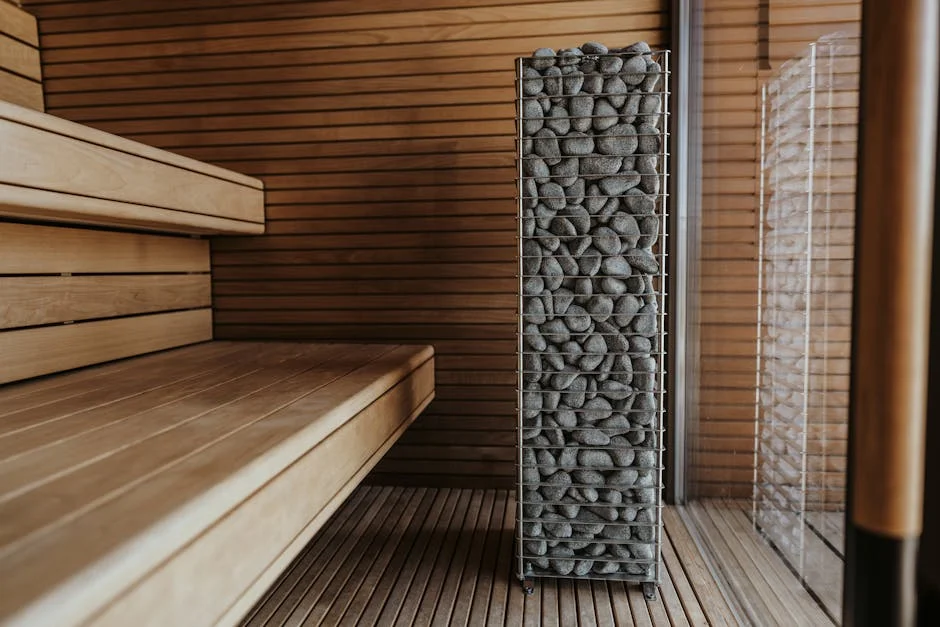
Frequently Asked Questions
Do I need a permit to install a home indoor sauna?
Permit requirements vary by jurisdiction, but most municipalities require at minimum an electrical permit for the new dedicated circuit a cabin sauna needs. Some jurisdictions also require a building permit for the permanent structure itself. The safest approach is to contact your local building department before purchasing a unit. Unpermitted electrical work creates liability at resale and potential insurance complications.
What is the difference between far-infrared and full-spectrum infrared saunas?
Far-infrared saunas emit longer-wavelength infrared radiation, which penetrates tissue at moderate depth and is the most established form of infrared sauna heat. Full-spectrum units like the MEISSALIVVE Full Spectrum Infrared Sauna add near- and mid-infrared wavelengths. The research base for far-infrared is more developed; near-infrared benefits remain an active area of study. For most home buyers, a quality far-infrared unit represents a well-supported choice.
Can a portable steam tent replace a cabin sauna?
A portable tent like the Portable Steam Sauna Tent for Home delivers accessible steam exposure without installation requirements, but the experience is not equivalent to a cabin session. Tent saunas operate with the head outside the enclosure, limiting full-body heat immersion. For buyers seeking authentic high-heat sauna sessions, a cabin unit is the appropriate choice. For low-commitment access to steam and perspiration, the tent format works well.
How much electrical capacity does a home sauna require?
Traditional steam units like the OUTEXER Traditional Steam Sauna require a dedicated 240V circuit , the same type used for electric ranges and dryers. Infrared cabin units typically require a dedicated 20-amp circuit at 120V or 240V depending on the model. Portable steam tents run on standard 120V household outlets. A licensed electrician should assess your panel capacity before any cabin sauna installation is finalized.
Is Canadian hemlock a good wood for an indoor sauna?
Canadian hemlock is one of the most common wood choices in the home infrared sauna category for practical reasons. It is dimensionally stable under repeated heat cycling, has a consistent grain structure that resists warping, and does not produce significant resin or off-gassing at sauna operating temperatures. It is a reliable, well-supported material choice for indoor installation.
Where to Buy
OUTEXER Traditional Steam Sauna Home Spa Room for 2-3 Person Steam Wet Indoor Saunas with 240V 3KW Heater,Sauna Stone, Water Bucket, Ladle, LED LightsSee OUTEXER Traditional Steam Sauna Home … on Amazon