One Person Sauna Buyer's Guide: Find the Right Fit for Home

Affiliate disclosure: Some links on this page are affiliate links. If you buy through them we earn a small commission at no extra cost to you. Recommendations are research-driven; we don't claim personal use of every product reviewed. Product prices and availability are accurate as of the date published and are subject to change. Always check Amazon for current pricing before purchasing. Learn more.
Quick Picks
Generic 2 Person Outdoor Sauna Infrared Saunas Dry Sauna Room 120V Red Cedar and Canadian Hemlock Wood Wooden Sauna Spa 1800W APP Control 7 Color Light 48.8 * 37 * 87.4inch
Quality construction suited to regular home sauna use
Buy on AmazonOUTEXER Outdoor 4 Person Sauna Far Infrared Saunas Dry Sauna Room Red Cedar and Canadian Hemlock Wood Wooden Sauna Spa 2600W 240V with 7 Color Light 62.2 * 46.8 * 81.9 inches
Quality construction suited to regular home sauna use
Buy on AmazonFull Spectrum Ultra-Low EMF Outdoor Sauna 4-Person, Red Cedar Far Infrared Saunas for Home, Near&Mid-IR Light, EMF 0.1-4mG, Bluetooth & Chromotherapy
Quality construction suited to regular home sauna use
Buy on Amazon| Product | Price Range | Top Strength | Key Weakness | Buy |
|---|---|---|---|---|
| Generic 2 Person Outdoor Sauna Infrared Saunas Dry Sauna Room 120V Red Cedar and Canadian Hemlock Wood Wooden Sauna Spa 1800W APP Control 7 Color Light 48.8 * 37 * 87.4inch best overall | $$$ | Quality construction suited to regular home sauna use | Confirm specifications match your specific installation space and electrical requirements | Buy on Amazon |
| OUTEXER Outdoor 4 Person Sauna Far Infrared Saunas Dry Sauna Room Red Cedar and Canadian Hemlock Wood Wooden Sauna Spa 2600W 240V with 7 Color Light 62.2 * 46.8 * 81.9 inches also consider | $$$ | Quality construction suited to regular home sauna use | Confirm specifications match your specific installation space and electrical requirements | Buy on Amazon |
| Full Spectrum Ultra-Low EMF Outdoor Sauna 4-Person, Red Cedar Far Infrared Saunas for Home, Near&Mid-IR Light, EMF 0.1-4mG, Bluetooth & Chromotherapy also consider | $$$ | Quality construction suited to regular home sauna use | Confirm specifications match your specific installation space and electrical requirements | Buy on Amazon |
| Albott Infrared Sauna 4 Person, Infrared Saunas for Home, Low EMF 2145W/110V/20A Hemlock Wood Dry Sauna with Tourmaline Foot Warmer, 7-Color Light Therapy & Ambient Light Strips, 63.2"x47.2"x75.2" also consider | $$$ | Quality construction suited to regular home sauna use | Confirm specifications match your specific installation space and electrical requirements | Buy on Amazon |
| Generic 2 Person Ultra Low EMF Infrared Sauna for Home, Red Cedar Wood Far Infrared Saunas, 1750watt Indoor Personal Sauna with Door Heating Panels, Blue-tooth, 7-Color Chromotherapy Lights, 2 Outdoor Lamps also consider | $$$ | Quality construction suited to regular home sauna use | Confirm specifications match your specific installation space and electrical requirements | Buy on Amazon |
Finding the right one person sauna means cutting through specs designed for showrooms rather than spare bedrooms and basements. The category spans compact infrared cabins through full-size outdoor rooms, and the sauna by size range matters as much as heater type when you’re working with limited square footage. One grounded detail: manufacturer capacity ratings consistently run optimistic , a “two-person” unit often delivers a genuinely comfortable solo session.
Understanding what actually separates a well-built solo sauna from a frustrating one requires looking past wattage claims and wood species marketing. The evaluation criteria , footprint honesty, electrical compatibility, heater distribution, and EMF profile , shape every recommendation below.
What to Look For in a One Person Sauna
Actual Interior Dimensions vs. Rated Capacity
Capacity labels on infrared saunas are marketing figures, not comfort targets. A unit rated for two people will seat two adults in close proximity , which is fine for couples but irrelevant to a solo buyer. The relevant figure is interior depth: anything under 36 inches front-to-back makes it difficult to stretch legs comfortably on a bench. Interior width determines whether you can extend your arms or roll your shoulders without contacting a wall panel.
Look for the interior dimensions in the specification sheet, not the exterior footprint. The gap between exterior and interior measurements on a well-insulated cabin can exceed four inches per wall. A 48-inch exterior depth may deliver only 40 inches of usable interior space. For a solo sauna that sees daily use, that difference registers every session.
Bench depth is equally important and often omitted from spec sheets entirely. A 16-to-18-inch bench lets you sit upright with support; anything narrower than 14 inches forces an uncomfortable lean. Owner reviews are the most reliable source for bench comfort data , look for verified buyer accounts that mention actual session experience rather than assembly notes.
Electrical Requirements and Home Compatibility
Infrared saunas split into two electrical categories: 120V units that plug into a standard household outlet, and 240V units that require a dedicated circuit with a two-pole breaker. The practical implication is significant. A 120V cabin can be operational within an hour of delivery. A 240V unit may require an electrician visit, permit work, and a week’s lead time before the first session.
Wattage within each voltage class also varies. A 1,750W, 1,800W 120V unit draws roughly 15 amps, placing it at the limit of a standard 15-amp circuit. Running it on a 20-amp circuit is cleaner and reduces the risk of nuisance trips during preheat. Check your panel capacity before assuming plug-and-play convenience even with a 120V model.
Outdoor installations add a weatherproofing layer to the electrical question. Any outdoor sauna should be on a GFCI-protected circuit regardless of voltage class. Verify that the unit’s electrical components are rated for outdoor exposure , some cabins marketed as outdoor models use interior-grade wiring assemblies that require additional weatherproofing after delivery.
Heater Placement and Heat Distribution
Full-spectrum infrared saunas include near-, mid-, and far-infrared emitters, which cover a broader range of penetration depths than far-infrared-only units. The distinction matters most to buyers prioritizing specific wellness outcomes. For general heat exposure and sweat sessions, a well-designed far-infrared array with good panel coverage is sufficient.
Panel placement determines whether heat distribution is even or creates hot and cold zones. Front-wall heaters, side-wall panels, and a floor-level foot warmer collectively produce a more uniform heating environment than rear-wall-only configurations. Cabins with door-panel heaters address the cold zone that forms near the entry point in rear-focused designs.
Preheat time and maximum temperature are connected metrics. Most residential infrared cabins reach operating temperature in 15, 20 minutes. Units claiming sub-10-minute preheat at 140°F are either running at very low wattage targets or measuring ambient rather than interior air temperature. Owner consensus on forums like r/Sauna is more reliable than manufacturer preheat claims.
EMF Output and Verification
EMF output is a legitimate consideration for buyers who plan to use their sauna daily over years. Most reputable manufacturers publish tested EMF figures in milligauss (mG). The benchmark most buyers reference is below 3 mG at the heater surface; readings at seating distance are typically lower. Claims of “ultra-low” or “near-zero” EMF should be accompanied by a published test figure, not just a marketing label.
Carbon-fiber panel heaters tend to produce lower EMF readings than ceramic rod heaters at equivalent wattage output. For buyers comparing models on EMF profile, check whether the published figure is measured at the heater surface or at the typical seated distance , the measurement methodology determines whether numbers from different brands are comparable.
Exploring the full range of sauna by size options before settling on a one-person unit is worthwhile if your space or household might change in the next few years , stepping up to a two-person cabin early often costs less than replacing a solo unit later.
Top Picks
2 Person Outdoor Sauna Infrared Saunas Dry Sauna Room 120V Red Cedar and Canadian Hemlock Wood
The 2 Person Outdoor Sauna Infrared Saunas Dry Sauna Room 120V Red Cedar and Canadian Hemlock Wood is a strong entry point for solo buyers who want an outdoor installation without a dedicated electrical circuit. At 120V and 1,800W, it draws within range of a standard 20-amp outdoor outlet , the electrical barrier that stops many buyers from acting on larger units simply doesn’t apply here.
The exterior footprint of 48.8 × 37 inches is compact enough for most deck or patio situations. The two-person capacity rating translates to a genuinely comfortable one-person experience, with bench space that supports full leg extension rather than the cramped posture that true compact cabins require. Red cedar and Canadian hemlock construction contributes both structural rigidity and natural resistance to the humidity cycles of outdoor use.
APP control and 7-color chromotherapy lighting read as secondary features, but the app-controlled preheat function has real practical value , starting the sauna remotely from inside the house is a meaningful convenience in cold climates. Verified buyers note that assembly is manageable for two people with basic tools and a clear afternoon.
Check current price on Amazon.
OUTEXER Outdoor 4 Person Sauna Far Infrared Saunas Dry Sauna Room
The OUTEXER Outdoor 4 Person Sauna Far Infrared Saunas is a different category of purchase , a full-size outdoor sauna cabin with a 62.2 × 46.8-inch footprint and 2,600W output requiring a 240V dedicated circuit. For a solo buyer, the relevant question is whether the significant step up in size and electrical investment makes sense relative to their use case.
The case for buying this as a one-person sauna is straightforward if you have the space and circuit capacity: a four-person-rated cabin gives a solo user a near-commercial sauna experience. Full bench length supports lying down, a genuine luxury that compact units cannot offer. The far-infrared heating across a larger panel array means heat is distributed at every point in the cabin rather than concentrated toward one wall.
The 240V electrical requirement is the honest limiting factor. This is not a purchase for renters or for buyers who want same-week operation without electrical work. Owner feedback consistently highlights the quality of the cedar construction, which holds up well to seasonal temperature swings in outdoor installations. Budget the electrical circuit cost into your planning.
Check current price on Amazon.
Full Spectrum Ultra-Low EMF Outdoor Sauna 4-Person, Red Cedar Far Infrared Saunas for Home
The Full Spectrum Ultra-Low EMF Outdoor Sauna targets buyers for whom EMF profile is the primary filter. The published EMF range of 0.1, 4 mG is specific enough to be useful , that range, measured at heater surface, places this unit among the more rigorously specified options in the outdoor sauna market. Near- and mid-infrared panels alongside far-infrared emitters round out a full-spectrum array rarely found in this footprint category.
Red cedar construction and Bluetooth connectivity are expected at this tier; the differentiator is the heater specification. Full-spectrum infrared is particularly relevant for buyers who have read the ESPA Foundation research on near-infrared penetration depth and want a home unit that covers the full range their public sauna visits provide. Owner reviews reference the chromotherapy system as genuinely useful for evening sessions rather than a cosmetic addition.
Like the OUTEXER above, this is a four-person-rated cabin delivering a premium solo or small-group experience. Confirming the electrical specification before purchase is essential , the listing should specify voltage and amperage requirements, and those need to match your available circuit.
Check current price on Amazon.
Albott Infrared Sauna 4 Person, Infrared Saunas for Home
The Albott Infrared Sauna 4 Person distinguishes itself with a notably complete feature set: tourmaline foot warmer, 7-color light therapy, and ambient light strips across a 63.2 × 47.2-inch hemlock cabin. The tourmaline foot warmer is a functionally meaningful addition , foot-level heat is the zone most often undertreated in infrared cabin designs, and the tourmaline element adds radiant heat from below that the side-wall panels don’t reach.
At 2,145W on a 110V/20-amp circuit, this unit sits at an unusual voltage and amperage specification , 110V rather than the 120V standard, which in practice means the same household wiring but worth confirming with the manufacturer that your outlet configuration is compatible. Owner reviews note that the ambient light strips create a noticeably warmer visual environment than standard chromotherapy-only models, which some buyers find more conducive to genuine relaxation.
Hemlock construction is slightly less aromatic than cedar but dimensionally stable and a common choice for indoor infrared cabins. For buyers who prioritize foot-to-head heating completeness over any other specification, the Albott’s panel layout earns consistent positive feedback in verified buyer accounts.
Check current price on Amazon.
2 Person Ultra Low EMF Infrared Sauna for Home, Red Cedar Wood Far Infrared Saunas
The 2 Person Ultra Low EMF Infrared Sauna for Home occupies the strongest position for buyers who specifically want a compact, indoor-focused unit with a credible EMF posture. The 1,750W output on a standard circuit keeps the electrical requirement manageable. Red cedar construction delivers natural antimicrobial properties and the aromatic quality that many sauna users consider part of the session experience.
Door heating panels address a genuine design weakness in many entry-level infrared cabins , the cold spot near the door glass that interrupts even heat distribution. Combining door panels with side-wall heaters produces a wrap-around heat profile that owner reports describe as notably more immersive than rear-wall-only configurations at similar wattage ratings. The inclusion of two outdoor lamps in the listing is an unusual addition; their practical value is debatable, but they don’t affect the core cabin quality.
The Bluetooth speaker integration and chromotherapy lighting are standard at this price band. The stronger differentiators are the cedar construction quality and the door-panel heating design. For a solo buyer setting up in a spare room or finished basement, this unit’s indoor footprint and standard electrical draw represent a practical combination that a 240V outdoor cabin cannot match.
Check current price on Amazon.
Buying Guide
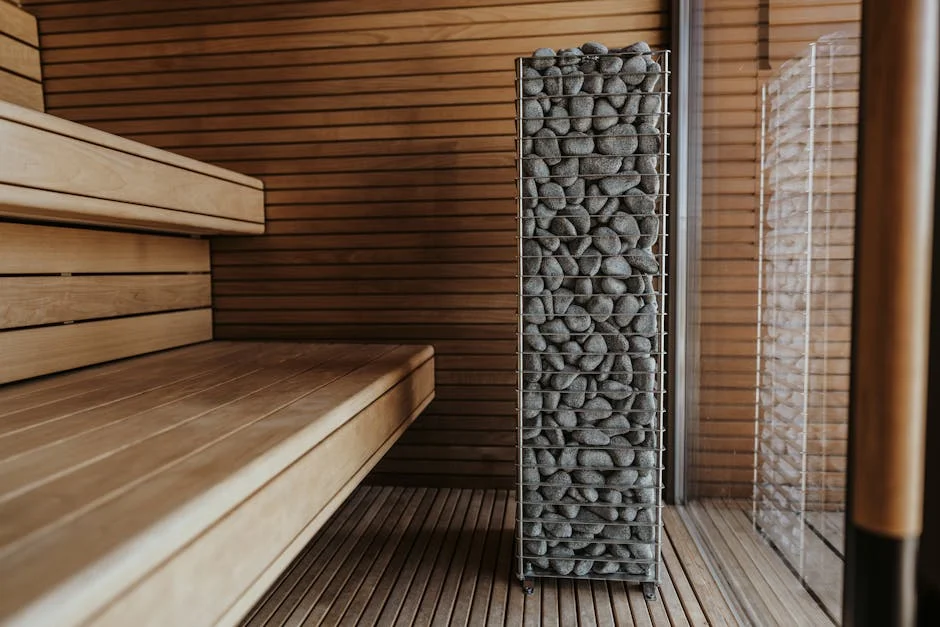
One Person or Two: Getting the Capacity Question Right
Manufacturer capacity ratings create a consistent problem for solo buyers: a “one-person sauna” is typically a very small cabin optimized for space savings over comfort, while a “two-person” unit often delivers a genuinely comfortable solo experience. The relevant threshold is whether you have enough interior room to sit without your knees contacting the opposite wall and enough bench depth to support your back during a 20-minute session.
For buyers with a dedicated space and no portability requirement, sizing up to a two-person or even four-person-rated cabin is worth serious consideration. The session quality difference between a true compact cabin and a generously sized one registers immediately and every time you use it.
Outdoor vs. Indoor Installation
The installation environment determines which units are eligible before any other specification applies. Outdoor installation opens access to larger footprint models that wouldn’t fit through interior doorways or in typical basement ceiling heights. Indoor installation typically favors 120V units to avoid electrical work, and requires confirming that the delivery path , door widths, stairwells , accommodates the assembled panel dimensions.
Both environments have ventilation requirements. Infrared cabins don’t produce steam, but the interior still heats to temperatures that require adequate airflow in the surrounding space. Enclosed interior closets without air circulation are not appropriate installations regardless of what the product listing implies.
Electrical Planning Before You Buy
The single most common post-purchase frustration in the r/Sauna community involves electrical mismatches. Buyers receive a 240V unit expecting a plug-and-play setup, then face a multi-week delay for panel work. Verify the voltage and amperage requirement before finalizing any purchase. Check your panel for available breaker slots and confirm whether your panel’s amperage capacity accommodates the load.
For 120V units, confirm that your planned outlet location is on a dedicated 20-amp circuit rather than a shared general-purpose circuit. Running a 1,750, 1,800W sauna on a circuit shared with other draws is the primary cause of nuisance breaker trips that owners report in early use. Consulting the full sauna by size guide is useful for matching unit electrical profiles to your available infrastructure.
Wood Species and Longevity
Red cedar and Canadian hemlock are the two dominant wood species in the infrared sauna market. Cedar’s natural oils provide antimicrobial resistance and the familiar sauna aroma; it holds up well in outdoor environments with seasonal humidity variation. Hemlock is dimensionally stable under controlled indoor conditions and takes stain or sealant evenly if aesthetic customization is a priority.
Neither species is superior in every context. Outdoor installations in variable climates benefit from cedar’s natural oil content. Climate-controlled indoor installations can use hemlock without meaningful longevity concerns. What matters more than species is panel joint quality and the manufacturer’s assembly tolerances , gaps at panel seams are a heat-loss and structural problem that wood species cannot compensate for.
Feature Triage: What Matters and What Doesn’t
Chromotherapy lighting, Bluetooth speakers, and app control appear on nearly every unit in the current market regardless of price band. They are baseline amenities rather than differentiators. The features worth scrutinizing are heater panel placement (front, side, and floor versus rear-only), EMF documentation specificity (published mG figure versus vague “low-EMF” label), and warranty terms on heater components specifically.
Heater warranties vary significantly across brands. Some cover heater elements for five years; others limit coverage to one year with a lengthy exclusion list. For a unit intended for daily use, the heater warranty terms matter more than the cabin shell warranty , the shell is less likely to fail than the heating elements over a multi-year ownership period.
Frequently Asked Questions
Is a “two-person” infrared sauna comfortable for one person?
Two-person-rated infrared saunas are consistently more comfortable for solo use than units explicitly marketed as one-person models. The interior bench provides full leg support and shoulder clearance. Owner accounts across r/Sauna and verified buyer reviews reinforce this , buyers who sized up to a two-person unit report appreciating the space, while buyers who chose the smallest available unit often wish they had gone larger.
What electrical setup does a home infrared sauna actually require?
The answer depends entirely on the unit’s voltage rating. A 120V sauna needs a dedicated 20-amp circuit , ideally its own breaker rather than a shared general-purpose outlet. A 240V unit requires a two-pole breaker and a dedicated circuit run, which typically means hiring an electrician. Confirm voltage and amperage before purchasing and verify your panel has the available capacity to support the load.
How important is EMF rating for a home sauna?
EMF is a legitimate consideration for daily users, and it is worth evaluating based on published figures rather than labels alone. Look for a specific mG figure rather than “ultra-low” or “near-zero” claims without supporting data. Carbon-fiber panel heaters typically measure lower than ceramic rod heaters at equivalent wattage. For occasional use, the distinction matters less; for daily sessions over years, buyers reasonably want a published baseline they can evaluate independently.
What is the difference between far-infrared and full-spectrum infrared saunas?
Far-infrared saunas emit long-wave infrared energy that heats the body directly rather than the air around it. Full-spectrum units add near- and mid-infrared wavelengths, which operate at different penetration depths. The Full Spectrum Ultra-Low EMF Outdoor Sauna covers all three ranges. For general heat exposure and relaxation, a well-designed far-infrared cabin is sufficient; full-spectrum is most relevant to buyers who have a specific interest in the near-infrared research on tissue response.
How long does a home sauna take to reach temperature?
Most residential infrared cabins reach operating temperature in 15, 20 minutes. Units with larger heater wattage and comprehensive panel placement preheat more evenly and quickly than compact designs with limited heater surface area. App-controlled preheat , available on units like the 2 Person Outdoor Sauna Infrared Saunas Dry Sauna Room 120V , allows you to start the sauna remotely so it’s ready when you are, which meaningfully reduces the friction of regular use.
Where to Buy
Generic 2 Person Outdoor Sauna Infrared Saunas Dry Sauna Room 120V Red Cedar and Canadian Hemlock Wood Wooden Sauna Spa 1800W APP Control 7 Color Light 48.8 * 37 * 87.4inchSee 2 Person Outdoor Sauna Infrared Sauna… on Amazon