Infrared Outdoor Sauna Buyer's Guide: What to Know

Affiliate disclosure: Some links on this page are affiliate links. If you buy through them we earn a small commission at no extra cost to you. Recommendations are research-driven; we don't claim personal use of every product reviewed. Product prices and availability are accurate as of the date published and are subject to change. Always check Amazon for current pricing before purchasing. Learn more.
Quick Picks
DYNAMIC SAUNAS Barcelona 1- to 2-Person Low EMF FAR Infrared Sauna with Red Light Therapy & Bluetooth Speakers | Personal Indoor Dry Heat Sauna for Home & Gym – Made from Canadian Hemlock
Efficient low-EMF infrared heating with even heat distribution
Buy on AmazonCeramic Infrared Saunas 2 Person, Infrared Sauna with Red Light Therapy, Far & Near Infrared Sauna Indoor, Low EMF Infrared Sauna for Home, Deluxe Glass Home Sauna with Granite Backdrop
Efficient low-EMF infrared heating with even heat distribution
Buy on AmazonFar Infrared Wooden Sauna Room, 2-3 Person Home Sauna Canadian Hemlock Indoor Corner Sauna Spa, 2 Bluetooth Speakers, 2 LED Reading Lamp, 3 Chromotherapy Lights
Efficient low-EMF infrared heating with even heat distribution
Buy on Amazon| Product | Price Range | Top Strength | Key Weakness | Buy |
|---|---|---|---|---|
| DYNAMIC SAUNAS Barcelona 1- to 2-Person Low EMF FAR Infrared Sauna with Red Light Therapy & Bluetooth Speakers | Personal Indoor Dry Heat Sauna for Home & Gym – Made from Canadian Hemlock best overall | $$$ | Efficient low-EMF infrared heating with even heat distribution | Heat profile differs from traditional Finnish sauna , lower ambient temperature | Buy on Amazon |
| Ceramic Infrared Saunas 2 Person, Infrared Sauna with Red Light Therapy, Far & Near Infrared Sauna Indoor, Low EMF Infrared Sauna for Home, Deluxe Glass Home Sauna with Granite Backdrop also consider | $$$ | Efficient low-EMF infrared heating with even heat distribution | Heat profile differs from traditional Finnish sauna , lower ambient temperature | Buy on Amazon |
| Far Infrared Wooden Sauna Room, 2-3 Person Home Sauna Canadian Hemlock Indoor Corner Sauna Spa, 2 Bluetooth Speakers, 2 LED Reading Lamp, 3 Chromotherapy Lights also consider | $$$ | Efficient low-EMF infrared heating with even heat distribution | Heat profile differs from traditional Finnish sauna , lower ambient temperature | Buy on Amazon |
| MEISSALIVVE Full Spectrum Infrared Sauna,2-3 Person Home Sauna,Red Cedar Indoor Sauna with Resonance Speaker, Panoramic Tempered Glass Door also consider | $$$ | Efficient low-EMF infrared heating with even heat distribution | Heat profile differs from traditional Finnish sauna , lower ambient temperature | Buy on Amazon |
| Smartmak Portable Infrared Sauna,1 or 2 Person Oversize Infrared Sauna Box with 660nm Red Light Therapy, Full Body Sauna Tent for Home, Folding Chair (Blue-2 Person) also consider | $$$ | Efficient low-EMF infrared heating with even heat distribution | Heat profile differs from traditional Finnish sauna , lower ambient temperature | Buy on Amazon |
Choosing an infrared outdoor sauna means balancing heating technology, weather resistance, wood species, and available space , before a single session takes place. The right unit makes outdoor use genuinely practical; the wrong one creates a maintenance problem before the first winter is through. For a full overview of how infrared technology compares across categories, the infrared saunas hub is a useful starting point.
Most buyers searching this category are weighing permanent outdoor installations against units designed primarily for indoor use but adapted to outdoor spaces. The distinction matters more than product listings usually make clear.
What to Look For in an Infrared Outdoor Sauna
Wood Species and Weather Durability
The wood your sauna cabinet is made from determines how well it handles humidity, temperature swings, and precipitation exposure. Canadian hemlock is the most common species in this price range , it’s dimensionally stable, resists warping under moisture cycling, and takes outdoor conditions reasonably well. Red cedar is the premium benchmark: naturally high oil content resists decay, insects, and moisture absorption more aggressively than hemlock does. For genuinely outdoor placement in wet climates or climates with hard freezes, cedar’s natural resistance matters.
What the listings often omit is that wood durability is only part of the equation. The joints, the roof construction, and the weather-sealing around the door frame all determine whether a unit stays square after two or three seasonal cycles. Owner reports on hemlock units used outdoors under a covered patio or in dry climates show solid long-term performance. Open-air placement in wet environments is a harder test. Look for units with reinforced corner construction and be realistic about cover requirements.
Infrared Heater Type: Carbon, Ceramic, and Full Spectrum
Three heater technologies dominate this category and they behave differently. Carbon panel heaters operate at lower surface temperatures and emit longer-wave far infrared , the wave profile closest to what the body radiates naturally. They heat the space evenly and run quietly. Ceramic heaters operate at higher surface temperatures, heat up faster, and tend to produce a more intense localized warmth. Full spectrum heaters combine far, mid, and near infrared wavelengths, adding near infrared (which penetrates tissue more shallowly and is often associated with red light therapy benefits).
No single technology is universally superior. Carbon heaters are generally the choice for extended, lower-temperature sessions. Ceramic heaters suit buyers who want quick warm-up and higher ambient heat. Full spectrum units offer the broadest therapeutic range but add cost and complexity. Red light therapy panels , now bundled into several units in this category , add a separate near-infrared and visible red light (typically 660nm) function that operates independently of the main heater. Whether that addition is useful depends on what you’re using the sauna for.
EMF Ratings and How to Evaluate Them
EMF disclosure is common in marketing for infrared saunas and frequently misunderstood. “Low EMF” typically means the unit has been tested to confirm ELF magnetic field emissions below a threshold , often cited as below 3 milligauss at body distance. Independent third-party testing (by labs like SaunaSeeker or external certification bodies) carries more weight than manufacturer self-reporting. Check whether the EMF claim comes with an actual measurement figure or is stated without supporting data.
Field reports from buyers in r/Sauna consistently note that carbon panel heaters tend to produce lower measured EMF than ceramic heaters at equivalent wattage, though this varies by specific design. If EMF is a primary concern, prioritize units where the manufacturer publishes actual test data rather than the marketing phrase alone.
Capacity and Interior Dimensions
The stated person capacity in this category is optimistic. A “2-person” unit in the under-1,000W class will accommodate two people only if both are comfortable with close proximity. For comfortable solo use with stretching room, a 1, 2 person unit is realistic. For two people who want genuine shoulder clearance, a 2, 3 person cabinet is the practical minimum. Corner units use floor space efficiently but reduce bench depth. Straight-wall units give more usable bench length.
Buyers exploring the full range of infrared sauna configurations before settling on a footprint typically avoid the most common sizing mistake , buying to the stated capacity rather than to actual comfortable use.
Top Picks
DYNAMIC SAUNAS Barcelona 1-to-2-Person Low EMF FAR Infrared Sauna
The DYNAMIC SAUNAS Barcelona is one of the most established units in this segment , the Barcelona line has been available long enough to generate a substantial owner record, which matters more than most spec comparisons. It uses carbon panel heaters across the side and back walls, delivering even far infrared heat rather than concentrated hot spots. The low-EMF designation is backed by measurable carbon heater design, not just a marketing label. Owner reviews consistently note the warm-up time is predictable and the session temperature holds steadily without cycling.
Canadian hemlock construction is competent for sheltered outdoor use , covered patio, deck with an overhang , but this unit is not built for fully exposed placement. The assembly is modular and manageable for a solo installer, which reduces the typical cost barrier of getting the cabinet up. The included Bluetooth speakers and red light therapy panels are functional additions; the red light panel adds 660nm near-infrared output that operates independently of the main heating circuit.
The heat profile sits lower than a Finnish-style rock heater, typically in the 120, 140°F range at full output. Buyers transitioning from traditional saunas find this the most significant adjustment. For buyers new to infrared or specifically seeking the lower-temperature, longer-session model, that profile is exactly right.
Check current price on Amazon.
Ceramic Infrared Saunas 2-Person with Red Light Therapy
The Ceramic Infrared Saunas 2-Person unit takes a different approach to heater technology , ceramic elements rather than carbon panels. Ceramic heaters reach operating temperature faster and produce a more intense surface warmth. The trade-off is slightly less even heat distribution across the interior compared to large-panel carbon designs, but the faster ramp-up is genuinely useful for buyers who prefer shorter, hotter sessions over extended lower-temperature ones.
The granite backdrop is a notable design element. Beyond aesthetics, dense material at the back wall retains some radiant heat after the heaters cycle down, which can extend perceived warmth past the active heating period. The tempered glass door construction and the low-EMF claim are both consistent with what verified buyers report in field reviews. Red light therapy integration covers both far and near infrared wavelengths, making it one of the more comprehensive spectrum options in this price tier.
Interior dimensions accommodate two people with reasonable comfort, though the honest benchmark is generous solo use or two smaller adults for shorter sessions. For sheltered outdoor placement, the hemlock cabinet performs well. This unit suits buyers who prioritize fast warm-up and a broader infrared spectrum over the ultra-even heat distribution of a carbon-panel-only design.
Check current price on Amazon.
Far Infrared Wooden Sauna Room 2, 3 Person Canadian Hemlock Corner Sauna
The Far Infrared Wooden Sauna Room addresses the capacity problem directly. At a 2, 3 person footprint with corner cabinet geometry, it offers substantially more interior volume than the 1, 2 person units in this category without requiring a full outdoor structure build. The corner design fits into deck or patio corners efficiently, which is where most outdoor residential sauna spaces are carved out.
Far infrared carbon-style panel heating distributes warmth evenly through the larger interior, and owner reports confirm the heaters hold consistent temperature even with the larger air volume to maintain. The chromotherapy lighting system , three lights covering different color zones , is more functional than it might appear; r/Sauna users note the warm amber and red settings particularly suit session ambience. Two LED reading lamps add practical utility for users who bring books or tablets into sessions. Bluetooth speaker integration is standard at this tier.
The hemlock construction is solid for covered outdoor use. The larger footprint requires more deliberate placement planning and a level surface , this is not a unit to set on uneven ground without shimming the base. For households where two people plan to use the sauna regularly, or where solo users want genuine room to stretch, this is the most practical capacity choice in the group.
Check current price on Amazon.
MEISSALIVVE Full Spectrum Infrared Sauna 2, 3 Person Red Cedar
Red cedar construction is the first thing that separates the MEISSALIVVE Full Spectrum Infrared Sauna from the hemlock-built units in this comparison. Cedar’s natural oil content gives it superior resistance to moisture, insects, and the kind of dimensional cycling that occurs in outdoor installations through seasonal temperature swings. For buyers committed to outdoor placement beyond a covered patio , a dedicated sauna structure, an exposed deck installation , cedar is the more durable long-term choice.
The full spectrum heating adds near and mid infrared wavelengths to the standard far infrared output. Near infrared penetrates tissue more shallowly and is associated with red light therapy applications; mid infrared falls between far and near in penetration depth. Whether the multi-spectrum approach produces meaningfully different session outcomes compared to far-only infrared is a question owner experience doesn’t resolve cleanly , the research suggests possible benefit, but the evidence is stronger for far infrared at this point. What’s clear is that full spectrum heaters run at higher surface temperatures and produce a warmer ambient feel than carbon-only designs.
The panoramic tempered glass door maximizes interior light and creates a different spatial feel than solid-panel door designs. Resonance speaker integration is a premium touch. For buyers prioritizing cedar durability and the broadest available infrared spectrum in a 2, 3 person cabinet, this is the strongest case in the group.
Check current price on Amazon.
Smartmak Portable Infrared Sauna 1, 2 Person
The Smartmak Portable Infrared Sauna is a fundamentally different product category from the cabinet saunas above, and that distinction is worth naming clearly. This is a collapsible sauna tent , a fabric and frame enclosure rather than a wood cabinet. Setup takes minutes, storage requires no permanent footprint, and the price tier is substantially different from fixed-cabinet units. For buyers whose primary constraint is space, budget, or the need to move the unit between locations, the portable format is not a compromise , it’s the right tool.
The infrared heating uses flexible panel elements built into the tent walls, and the 660nm red light therapy integration adds near-infrared output. Verified buyers note the heat builds effectively for a single user and holds session temperature for the stated duration. The oversize 2-person designation should be read as “generous 1-person with head-out format” , the seated-body-in, head-out design is standard for this product type, which means the experience is different from a closed-cabinet sauna. That’s not a flaw; it’s how portable sauna tents function.
Outdoor use is feasible in calm, dry conditions. Wind and precipitation are practical limitations for a fabric enclosure. The folding chair included is a functional baseline; buyers who use this unit regularly often supplement with a more supportive seat. For a buyer who wants infrared access without a permanent installation, owner consensus points to the Smartmak as a capable entry point.
Check current price on Amazon.
Buying Guide
Fixed Cabinet vs. Portable: The First Decision
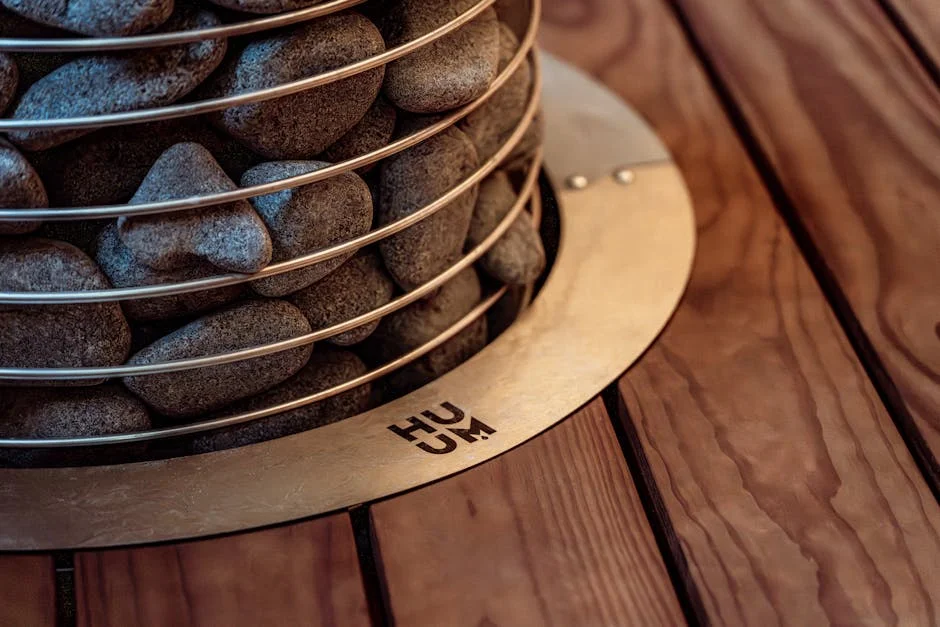
Before evaluating specific models, the most consequential decision is format. Fixed-cabinet saunas , hemlock or cedar enclosures with structural walls , behave like furniture: they require a permanent footprint, a level surface, access to a standard 120V outlet (most residential models) or a dedicated 240V circuit (higher-wattage units), and a plan for placement that accounts for ventilation and drainage. Portable infrared tent saunas require none of that infrastructure. Setup is measured in minutes.
The gap in experience is real. A fixed cabinet holds heat more evenly, allows a fully enclosed session, and feels structurally distinct from a portable tent. The portable format trades that experience for accessibility. Neither is wrong , they serve different buyers with different constraints.
Heater Technology and Session Goals
Carbon panel heaters produce the longest-wave far infrared output and the most even heat distribution. They suit buyers who want extended sessions at moderate temperatures , the 110, 140°F range that most infrared advocates cite. Ceramic heaters heat faster and run hotter; they suit buyers who prefer shorter, more intense sessions or who are transitioning from higher-temperature traditional saunas. Full spectrum heaters add near and mid infrared wavelengths to the far infrared base, which widens the therapeutic range claimed by manufacturers.
Match heater type to session habit rather than to marketing language. If the plan is daily 30-minute sessions at a lower temperature, carbon panel design is the practical choice. If sessions will be shorter and hotter, ceramic is worth the trade-off.
Wood Species for Outdoor Longevity
For covered outdoor use , a deck with an overhang, a screened porch , Canadian hemlock performs reliably and costs less than cedar. For open-air or semi-exposed placement, red cedar’s natural oil content and dimensional stability under moisture cycling make it the more defensible long-term investment. The full infrared sauna range includes both species across multiple price tiers , it’s worth confirming wood species in the product specifications rather than relying on category-level generalizations.
Neither species requires aggressive sealing or staining for normal outdoor use under a roof. Both benefit from a periodic wipe-down and inspection of corner joints after the first winter to catch any movement before it becomes structural.
EMF: What the Claims Actually Mean
Low-EMF marketing is nearly universal in this category and nearly universally vague. A meaningful EMF specification names the measurement standard used, the field strength at a specified body distance (typically 12 inches), and ideally the testing entity. Published figures below 3 milligauss at body distance are the general reference point in community discussion , r/Sauna regularly documents buyer-reported measurements using handheld gaussmeters.
Buyers with a specific EMF threshold should look for units where the manufacturer publishes an actual number, not just the phrase. When that data isn’t available, carbon panel heaters have a better track record in community measurements than ceramic at equivalent wattage, though variation within categories is real.
Sizing: Stated Capacity vs. Practical Use
Stated person capacity in this category should be discounted by roughly one person for comfortable use. A 1, 2 person unit accommodates one adult comfortably with room to sit and stretch. A 2, 3 person unit is practical for two adults using the space simultaneously without contact. Buyers who plan to share sessions regularly should not size to the minimum , the interior dimensions listed in specifications (width × depth × height) are the reliable guide, not the person count in the product name.
Frequently Asked Questions
Can an infrared sauna be used outdoors year-round?
Fixed-cabinet infrared saunas built from cedar or hemlock can handle outdoor placement in most climates when installed under a covered structure. Open-air placement in wet or snowy conditions creates sustained moisture exposure that accelerates wood movement and seal degradation. Most manufacturers’ warranty terms specify covered installation. Portable infrared tent saunas are more weather-sensitive , wind and precipitation limit practical outdoor use to mild, dry conditions.
What’s the difference between carbon and ceramic infrared heaters?
Carbon panel heaters emit longer-wave far infrared at lower surface temperatures, producing even heat distribution across the interior and suiting extended moderate-temperature sessions. Ceramic heaters operate at higher surface temperatures, warm up faster, and produce more intense localized heat. Buyers who prefer shorter, hotter sessions generally find ceramic heaters more satisfying; buyers who prefer extended lower-temperature sessions tend to favor carbon panels. Both technologies are well-represented in this category.
Is “low EMF” a meaningful specification or just marketing?
It depends on whether the claim comes with actual measurement data. A specific figure , milligauss at a named body distance, measured by a named standard , is meaningful. The phrase “low EMF” alone, without supporting numbers, is not. Carbon panel heaters typically measure lower than ceramic heaters in community field reports, but published manufacturer data with methodology is the more reliable guide than category generalizations.
How does a portable infrared sauna tent compare to a cabinet sauna for home use?
A cabinet sauna provides full enclosure, more even heat distribution, and a structurally distinct experience closer to a traditional sauna. A portable tent like the Smartmak Portable Infrared Sauna requires no installation, stores compactly, and costs substantially less , but the seated-body-in, head-out format is a different experience. For buyers with permanent space and a long-term sauna habit, a cabinet is the stronger choice. For buyers testing infrared or constrained by space, the portable format is a practical entry point.
Does infrared sauna use have documented health benefits?
Research suggests infrared sauna use may support cardiovascular function, muscle recovery, and stress reduction, though the evidence base is stronger for traditional high-temperature sauna than for infrared specifically. The ESPA Foundation and peer-reviewed literature note promising associations, particularly for regular use over time. Infrared sessions are not a medical treatment, and claims made by specific manufacturers should be evaluated against published research rather than taken at face value.
Where to Buy
DYNAMIC SAUNAS Barcelona 1- to 2-Person Low EMF FAR Infrared Sauna with Red Light Therapy & Bluetooth Speakers | Personal Indoor Dry Heat Sauna for Home & Gym – Made from Canadian HemlockSee DYNAMIC SAUNAS Barcelona 1- to 2-Pers… on Amazon