Outdoor Cabin Sauna Buyer's Guide: What to Know

Affiliate disclosure: Some links on this page are affiliate links. If you buy through them we earn a small commission at no extra cost to you. Recommendations are research-driven; we don't claim personal use of every product reviewed. Product prices and availability are accurate as of the date published and are subject to change. Always check Amazon for current pricing before purchasing. Learn more.
Quick Picks
Backyard Discovery Henley 2-4 Person Traditional Cedar Outdoor Cabin Sauna with Electric Sauna Heater, Glass Door, Sauna Rocks, Dry Heat, Steam Sauna, LED Lights, Wi-Fi Control, Sauna Accessories
All-weather construction built for year-round outdoor use
Buy on AmazonOutdoor Sauna for 2 People, 2000W Backyard Cabin with Fir & Cedar Wood, 8 Heater Plates and 6 LED Lights for Patio
All-weather construction built for year-round outdoor use
Buy on AmazonLuxury Backyard Sauna Cube Kit for 6 People, Outdoor Cedar Sauna Cabin with Full Glass Front & Durable Hemlock Exterior, Modern Home Spa & Wellness Retreat (6.5 FT × 6.5 FT × 7.2 FT (Medium))
All-weather construction built for year-round outdoor use
Buy on Amazon| Product | Price Range | Top Strength | Key Weakness | Buy |
|---|---|---|---|---|
| Backyard Discovery Henley 2-4 Person Traditional Cedar Outdoor Cabin Sauna with Electric Sauna Heater, Glass Door, Sauna Rocks, Dry Heat, Steam Sauna, LED Lights, Wi-Fi Control, Sauna Accessories best overall | $$$ | All-weather construction built for year-round outdoor use | Requires level ground preparation and appropriate weather sealing | Buy on Amazon |
| Outdoor Sauna for 2 People, 2000W Backyard Cabin with Fir & Cedar Wood, 8 Heater Plates and 6 LED Lights for Patio also consider | $$$ | All-weather construction built for year-round outdoor use | Requires level ground preparation and appropriate weather sealing | Buy on Amazon |
| Luxury Backyard Sauna Cube Kit for 6 People, Outdoor Cedar Sauna Cabin with Full Glass Front & Durable Hemlock Exterior, Modern Home Spa & Wellness Retreat (6.5 FT × 6.5 FT × 7.2 FT (Medium)) also consider | $$$ | All-weather construction built for year-round outdoor use | Requires level ground preparation and appropriate weather sealing | Buy on Amazon |
| Outdoor Sauna for 4 People, 2600W Cedar & Fir Wood Backyard Cabin with 11 Heaters, Large Family Spa Room with Abyss Lamp also consider | $$$ | All-weather construction built for year-round outdoor use | Requires level ground preparation and appropriate weather sealing | Buy on Amazon |
| Outdoor Traditional Sauna, 4-6 Person Wooden Sauna, Steam Wet Wood Sauna with 220V with 6KW Heater, Sauna Stone, Thermometer also consider | $$$ | All-weather construction built for year-round outdoor use | Requires level ground preparation and appropriate weather sealing | Buy on Amazon |
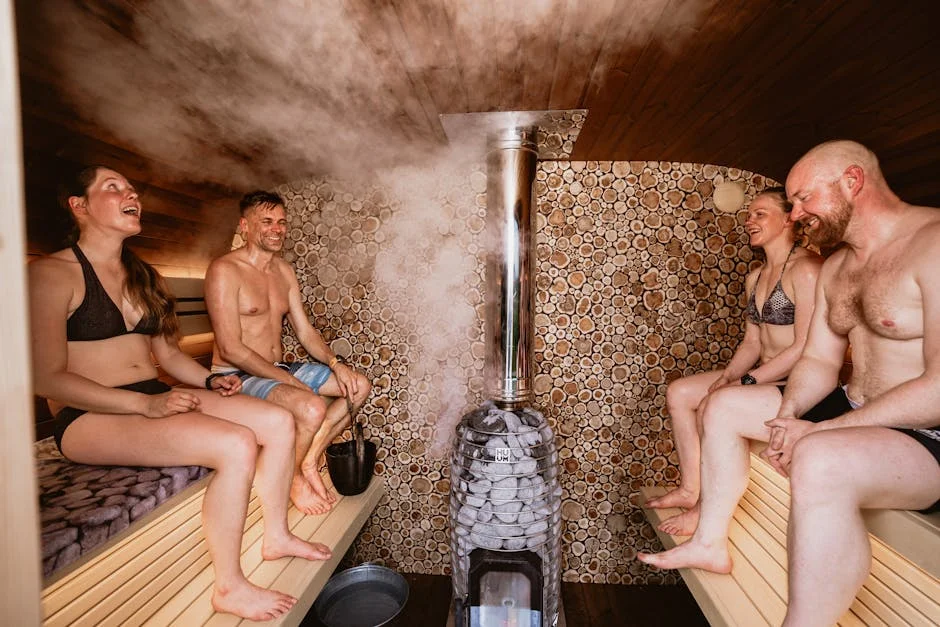
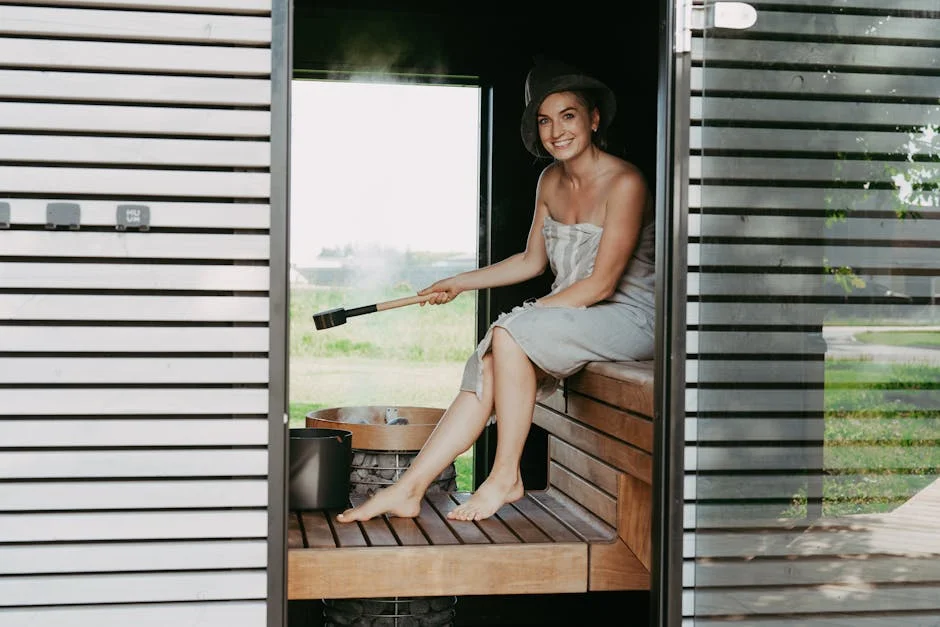
Getting a proper sweat in a backyard cabin sauna is one of those experiences that changes how seriously you take home wellness. A well-built outdoor cabin sauna holds heat reliably across seasons, uses materials rated for sustained weather exposure, and lasts decades with basic maintenance. Browse the full range of outdoor saunas to understand what styles and sizes fit your property before committing to a specific model.
The construction details matter more than most buyers expect. Wood species, heater capacity, door configuration, and footprint all determine whether a sauna performs year-round or disappoints after the first Minnesota winter.
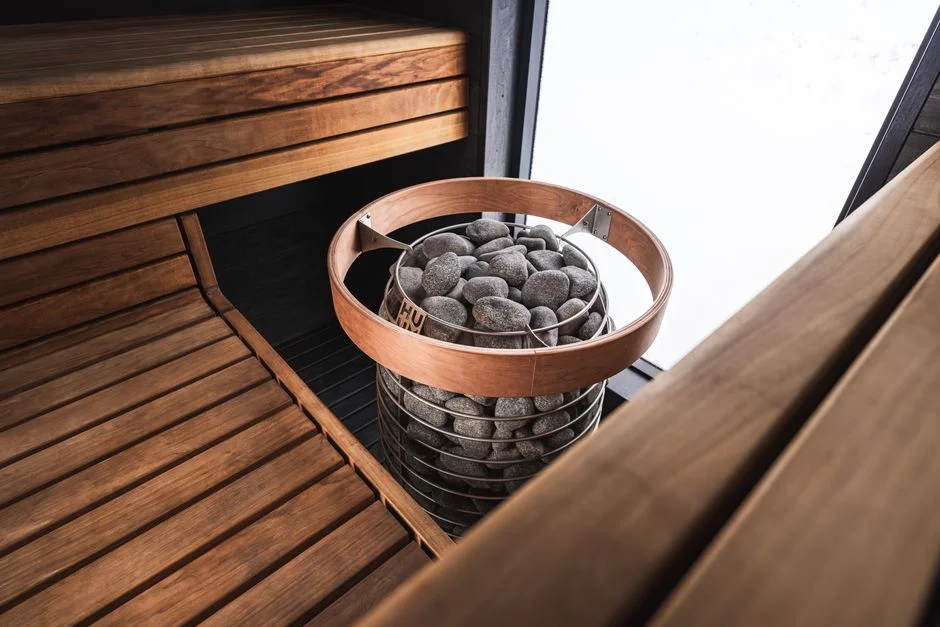
What to Look For in an Outdoor Cabin Sauna
Wood Species and Weather Performance
The wood used in an outdoor cabin sauna isn’t decorative , it’s structural and functional. Cedar is the most commonly specified species for outdoor builds, and for good reason: it contains natural oils that resist moisture absorption, repel insects, and slow the dimensional movement that causes joints to loosen over years of freeze-thaw cycling. Western red cedar is particularly stable in wet climates and holds its appearance without paint or stain.
Hemlock is harder and denser than cedar, which makes it an attractive exterior cladding choice for sauna cubes and modern-profile designs. It takes weatherproofing treatments well and provides strong structural rigidity. Thermo-treated wood , kiln-modified at high heat to change its cellular structure , resists decay and moisture at a level that approaches tropical hardwoods without the import cost or sustainability concerns.
Fir appears in some designs as a framing or secondary structural member. It’s dimensionally stable but less naturally rot-resistant than cedar, so its placement matters. Exterior surfaces on a year-round outdoor sauna should be cedar, hemlock, or thermo wood , not untreated fir.
Heater Capacity and Heat-Up Time
Heater sizing in a sauna is calculated against cubic volume, not floor area alone. The ceiling height multiplies the cubic load substantially , a 7-foot ceiling sauna for four people demands considerably more heater output than a 6-foot version of the same floor footprint. The standard rule is roughly 1 kilowatt per 45, 50 cubic feet for a well-insulated cabin sauna, though exterior temperature, insulation quality, and door seal integrity all affect real-world heat-up times.
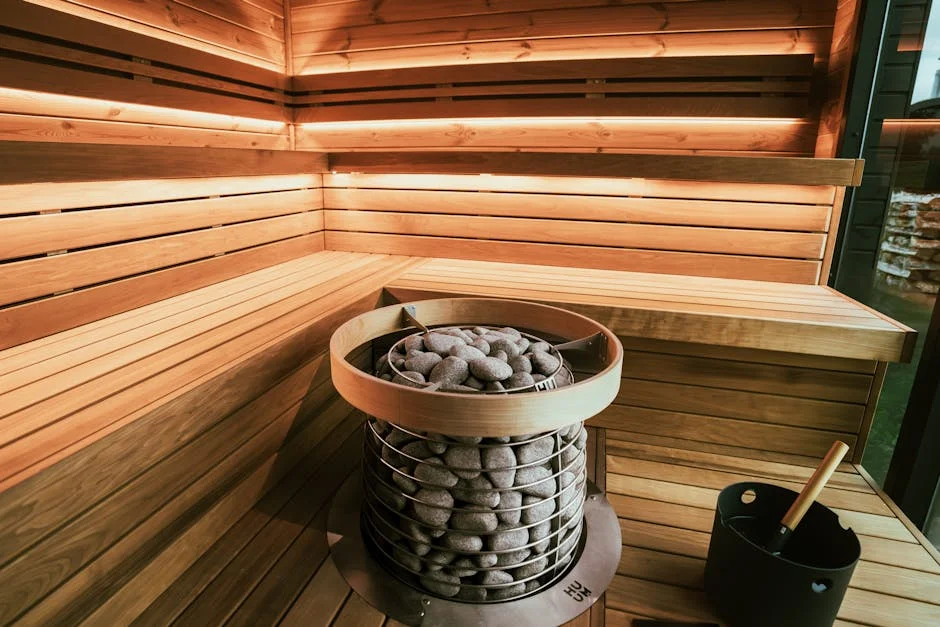
Electric resistance heaters , the type bundled with most cabin sauna kits , are the practical standard for home outdoor installations. They require a dedicated 240V circuit in nearly all cases above 2 kilowatts. The heater’s rock capacity matters for steam: a deeper, larger rock bed retains heat between water pours and produces a denser, more sustained löyly than a shallow tray that cools quickly.
Footprint, Site Preparation, and Installation
An outdoor cabin sauna is a permanent structure. That means the conversation about footprint starts well before delivery , with a level, load-bearing surface, clearances from property lines and structures, and in many jurisdictions, a building permit. A concrete pad or compacted gravel base is the standard foundation for most kit saunas; placing a cabin sauna directly on soil or decking without a proper base accelerates wood decay and creates structural instability.
Assembly complexity varies significantly between kits. Tongue-and-groove interlocking wall systems are faster to assemble and more forgiving of minor site imperfections than traditional framing. Two-person assembly is the realistic minimum for most cabin sauna kits; larger models (6-person and above) benefit from three or four people during the wall-raising phase.
Reviewing the full landscape of outdoor sauna configurations before finalizing a footprint gives buyers a clearer sense of how cabin, barrel, and cube designs differ in their site requirements.
Insulation, Door Seals, and Thermal Efficiency
A cabin sauna that reaches temperature quickly and holds it efficiently is a well-insulated one. Wall panel systems with integrated insulation batts, double-pane glass doors, and tight door seals make a measurable difference in heat retention and operating cost. Single-pane glass doors are common at lower price points and lose heat rapidly , worth noting when comparing specifications across kits.
The door threshold and seal condition should be inspected on delivery and checked annually. A warped door frame or compressed seal gasket allows cold air infiltration at the floor level, which extends heat-up times and stresses the heater. In cold climates, this is one of the first maintenance points to address going into winter.
Top Picks
Backyard Discovery Henley 2-4 Person Traditional Cedar Outdoor Cabin Sauna
The Backyard Discovery Henley 2-4 Person Traditional Cedar Outdoor Cabin Sauna positions itself as a complete package for buyers who want a traditional cabin sauna experience without sourcing components separately. The build uses genuine cedar throughout, which owners report holds up well through multiple winters without surface cracking or joint separation. The included electric heater, sauna stones, LED lighting, and Wi-Fi control module make this a plug-and-play-oriented kit by cabin sauna standards.
The Wi-Fi control feature is more useful than it might first appear. Being able to start the heater remotely and arrive to a fully preheated sauna is a quality-of-life improvement that owners consistently highlight in field reports , particularly in cold climates where a 45-minute preheat is typical. The glass door on this model is a full-view design, which contributes to the cabin’s aesthetic but means buyers should confirm the glass thickness and seal quality before assuming thermal performance is comparable to a solid-door design.
Verified buyer reports note that assembly is manageable for two people over a full day, and that the tongue-and-groove cedar wall system fits together cleanly. The 2-4 person capacity rating reflects the upper end with some compression , two or three occupants is the comfortable operating range for most sessions. Site preparation is a genuine prerequisite: this unit needs a level, solid base before assembly begins.
Check current price on Amazon.
Outdoor Sauna for 2 People, 2000W Backyard Cabin with Fir & Cedar Wood
The Outdoor Sauna for 2 People, 2000W Backyard Cabin with Fir & Cedar Wood is the most compact option in this comparison , sized and priced for buyers who want a genuine outdoor sauna experience with a minimal footprint. The 2000W heater output is calibrated to the smaller interior volume, and the eight infrared heater plates integrated into this model supplement the electric resistance element to warm occupants efficiently even before the air temperature reaches its peak.
The cedar and fir combination used here is worth understanding. Cedar handles the moisture-facing surfaces and provides natural rot resistance; fir contributes structural rigidity. Owner feedback indicates the 6 LED lights create a useful ambient atmosphere for evening sessions. The compact two-person design means assembly is faster and less demanding than larger cabin kits , a realistic solo assembly for experienced builders, though two people make the process significantly smoother.
The primary trade-off is capacity. For solo users, couples, or buyers with limited backyard space, the footprint efficiency of this model is a genuine advantage.
Check current price on Amazon.
Luxury Backyard Sauna Cube Kit for 6 People
The Luxury Backyard Sauna Cube Kit for 6 People is the architectural outlier in this group , a modern sauna cube design with a full glass front and durable hemlock exterior that reads more like a contemporary garden structure than a traditional cabin sauna. At 6.5 × 6.5 × 7.2 feet, the footprint is comparable to a garden shed, and the 7.2-foot ceiling height is a meaningful advantage: taller ceilings allow users to fully stand and create a more spacious heat environment.
The hemlock exterior is appropriate for this design’s outdoor exposure. Hemlock takes weatherproofing treatment well, and the cube’s clean-line profile minimizes the horizontal surfaces where water collects and accelerates decay. The full glass front is the signature feature , it creates an open, visually integrated connection to the outdoor environment that owners describe as the defining difference from a traditional cabin design. Thermal implications are real: floor-to-ceiling glass loses heat faster than a solid wall, so buyers in cold climates should factor in longer preheat times.
This is not a model for buyers who simply want the most sauna for the money. The design-forward aesthetic and 6-person capacity serve a specific buyer , someone building a backyard wellness space where the sauna’s visual presence is part of the investment. Field reports from verified buyers note that the kit quality and finish are consistent with the premium positioning, and that the cedar interior paired with the hemlock exterior creates a pleasant contrast inside the cabin.
Check current price on Amazon.
Outdoor Sauna for 4 People, 2600W Cedar & Fir Wood Backyard Cabin
The Outdoor Sauna for 4 People, 2600W Cedar & Fir Wood Backyard Cabin scales up the infrared panel approach to serve a four-person capacity with 11 heater elements and 2600W total output. The additional heater count compensates for the larger interior volume and means the unit reaches usable operating temperatures without the extended preheat times associated with traditional electric resistance heaters in larger spaces.
The Abyss Lamp feature , a mood lighting element integrated into the ceiling , is a detail that buyers either find genuinely atmospheric or consider marketing filler. Owner consensus leans toward the former; several verified reviews note that the lighting quality during evening sessions is a worthwhile inclusion.
This is the practical middle point of the lineup for buyers who expect regular family use. The 4-person capacity is more realistic than the manufacturer ratings on the 2-person or 6-person extremes , four adults fit without the compression that makes larger-rated smaller units awkward. Site preparation requirements match the other cabin kits: level base, dedicated 240V circuit, and clearance from structures.
Check current price on Amazon.
Outdoor Traditional Sauna, 4-6 Person Wooden Sauna with 6KW Heater
The Outdoor Traditional Sauna, 4-6 Person Wooden Sauna with 6KW Heater is the most conventional build in this comparison , a 220V steam-wet sauna with a 6KW resistance heater, sauna stones, and a thermometer included. The 6KW heater output is the highest in this group, and it’s matched to a 4-6 person capacity interior that requires that level of output to reach the 80, 90°C range that traditional wet sauna sessions demand.
Steam-wet capability is the defining feature here. Pouring water over properly heated stones , löyly , is the foundational act of Finnish sauna tradition, and a 6KW heater with meaningful stone mass produces the deep, rolling steam that lower-wattage units cannot sustain across multiple pours.
Owner reviews note that heat-up time with the 6KW heater is reasonable for the cabin size, and that the included thermometer and sauna stone package make the kit feel complete out of the box. The wooden construction is traditional in profile , buyers who want the modern cube aesthetic should look at the Luxury Sauna Cube. For buyers whose priority is an authentic steam sauna experience at family-group scale, the evidence strongly favors this model.
Check current price on Amazon.
Buying Guide
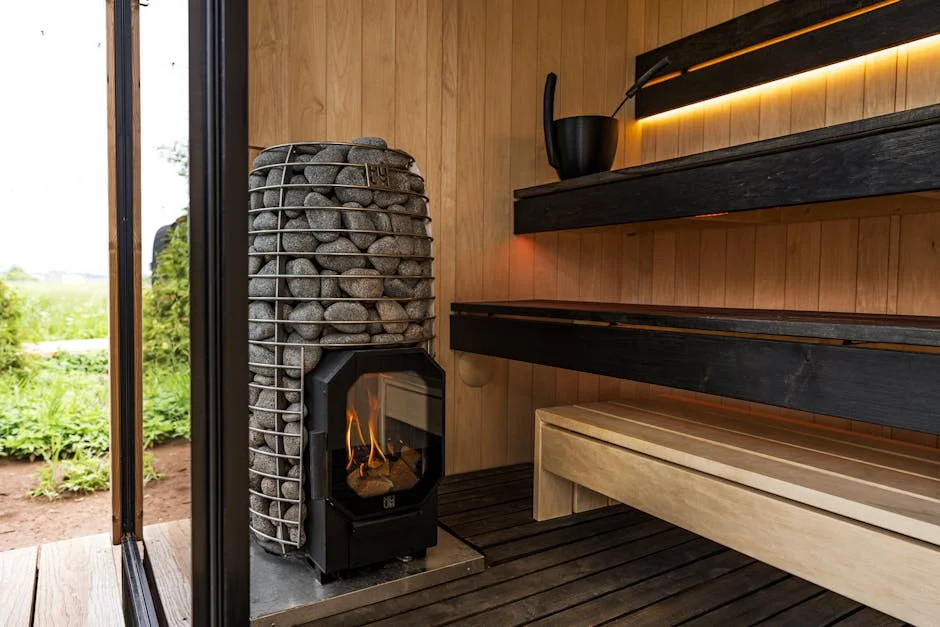
Capacity: How to Read Manufacturer Ratings Honestly
Manufacturer capacity ratings on outdoor cabin saunas are optimistic. A “4-person” sauna typically provides comfortable space for two to three adults with room to move; four people fit, but the session experience shifts toward proximity tolerance rather than relaxed heat. Buyers planning for regular group use should select the next capacity tier above their actual expected headcount.
The ceiling height interacts with perceived spaciousness in ways that floor dimensions don’t capture. A 7-foot ceiling at 6.5 × 6.5 feet feels substantially more open than a 6-foot ceiling at the same footprint. For buyers who are tall or who plan extended sessions, ceiling height is worth treating as a primary specification.
Heater Type: Infrared Panels vs. Traditional Electric Resistance
The choice between infrared panel systems and traditional electric resistance heaters is not a quality distinction , it’s a preference distinction. Infrared heaters warm occupants directly at lower air temperatures (typically 45, 60°C versus 80, 90°C for traditional), produce a dry radiant heat, and reach operating condition faster. Traditional electric resistance heaters heat the air to high temperatures, support steam through stone-and-water interaction, and produce the convective heat environment associated with Finnish sauna tradition.
Neither is objectively superior. Buyers who prioritize the traditional wet steam experience , löyly, high heat, the full sensory range of a Finnish sauna , should prioritize a traditional resistance heater with adequate stone mass. Buyers who want a gentler, faster-to-temperature session, or who have cardiovascular sensitivity to very high air temperatures, tend to find infrared a better fit. Both types appear in the models covered here.
Electrical Requirements and Site Readiness
Every cabin sauna above approximately 1.5KW requires a dedicated 240V circuit. This is not optional and not something to defer to after purchase. Most buyers who are new to outdoor sauna installation underestimate the electrical component , it typically requires a licensed electrician, a circuit breaker panel with available capacity, and conduit run to the sauna site. Factoring this into the total project budget before committing to a model is essential.
Site preparation beyond electrical includes a level, load-bearing surface (concrete pad or compacted gravel base are standard), adequate drainage around the structure, and appropriate clearance from property lines and other structures per local code. Many jurisdictions require a building permit for permanent outdoor structures above a minimum square footage. Checking with the local building department before purchase prevents costly surprises.
Climate Considerations for Year-Round Outdoor Use
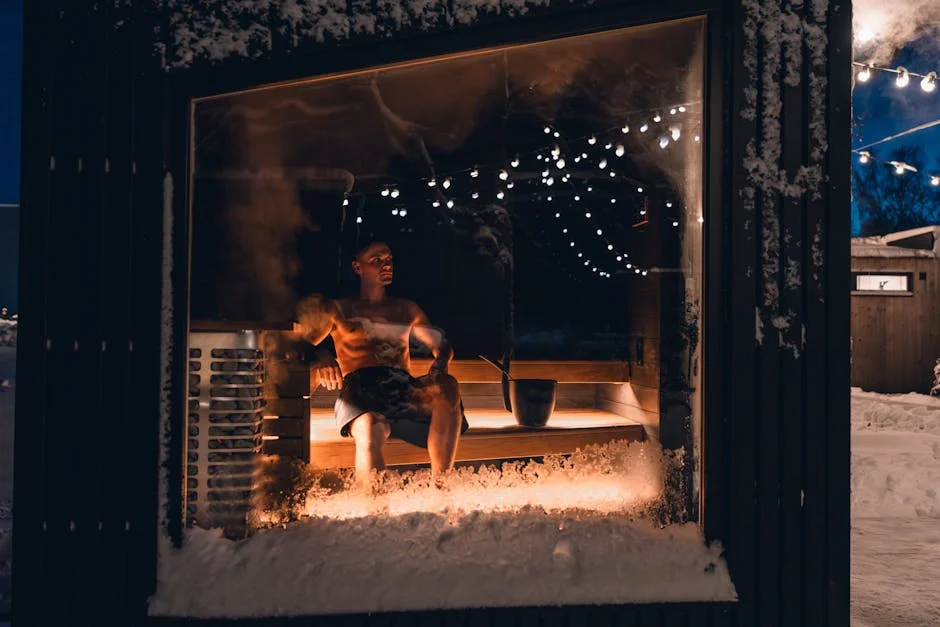
In cold climates with sustained freezing temperatures , Minnesota, the northern Midwest, New England, Canada , insulation quality, door seal integrity, and wood species choice matter more than in moderate coastal climates. Cedar and thermo wood perform well through freeze-thaw cycles; untreated fir on exterior surfaces does not.
Buyers in high-rainfall or high-humidity climates should prioritize designs with good roof overhang geometry, tight door seals, and wood species that resist moisture absorption. Annual maintenance , reapplying exterior sealant, inspecting door gaskets, clearing debris from drainage points , extends the lifespan of any outdoor cabin sauna significantly regardless of climate.
Comparing Cabin Style to Barrel and Cube Designs
Cabin saunas offer more usable floor space per square foot of exterior footprint than barrel designs, better space efficiency for groups, and more interior headroom for standing. Barrel saunas have better natural heat distribution due to the curved ceiling geometry and tend to preheat slightly faster for comparable interior volume. Cube saunas offer the most distinctive visual aesthetic and typically the largest glass surface area.
The right design depends on three things: how many people will use it regularly, what aesthetic fits the property, and whether the modern glass-front look or the traditional wood cabin look is the intended result. For most buyers prioritizing group capacity and year-round practicality, the cabin form factor offers the strongest balance of performance, cost, and assembly straightforwardness. See the outdoor sauna hub for additional options in this category.
Frequently Asked Questions
Do outdoor cabin saunas require a building permit?
Most jurisdictions require a building permit for permanent outdoor structures above a minimum square footage , commonly 100, 120 square feet, though this varies by municipality. Cabin saunas in the 4, 6 person range typically exceed this threshold. Contacting the local building department before purchase is the most reliable way to confirm permit requirements, setback rules, and electrical inspection requirements for your specific location.
What’s the difference between infrared panels and a traditional 6KW heater in a cabin sauna?
Infrared panels heat the body directly at lower air temperatures and reach operating condition faster. A traditional resistance heater like the 6KW unit in the Outdoor Traditional Sauna 4-6 Person heats the air to 80, 90°C and supports löyly , the steam produced by pouring water over hot stones. They produce fundamentally different heat experiences; the right choice depends on whether you want a conventional Finnish wet steam session or a gentler radiant heat environment.
How important is the wood species for an outdoor sauna in a cold climate?
Very important. Cedar contains natural oils that resist moisture absorption and dimensional movement through freeze-thaw cycles , it’s the most reliable species for sustained outdoor exposure in cold climates. Hemlock and thermo-treated wood also perform well for exterior surfaces. Untreated fir on exposed exterior faces is a long-term maintenance liability in climates with hard winters.
How level does the ground need to be for a cabin sauna installation?
The base surface for a cabin sauna kit should be level to within approximately a quarter inch across the full footprint. An unlevel base causes wall panels to rack, doors to bind or gap, and puts ongoing stress on the joint system that can compromise the structure over time. A poured concrete pad or a compacted, well-drained gravel base are the two standard approaches , both should be checked for level across both diagonals before assembly begins.
Can one person assemble a cabin sauna kit, or is a second person required?
Two people is the practical minimum for most cabin sauna kits. Wall panels in tongue-and-groove interlocking systems are manageable for two people but require one person to hold while the other aligns and fastens. Larger models , 4-person and above , benefit from three or four people during wall-raising. Attempting a solo assembly on a cabin sauna is possible for smaller 2-person units with very patient work, but the process is substantially slower and more physically demanding than the manufacturer assembly guides typically indicate.
Where to Buy
Backyard Discovery Henley 2-4 Person Traditional Cedar Outdoor Cabin Sauna with Electric Sauna Heater, Glass Door, Sauna Rocks, Dry Heat, Steam Sauna, LED Lights, Wi-Fi Control, Sauna AccessoriesSee Backyard Discovery Henley 2-4 Person … on Amazon