Redwood Outdoors Thermowood Mini Cube Sauna Buyer's Guide

Affiliate disclosure: Some links on this page are affiliate links. If you buy through them we earn a small commission at no extra cost to you. Recommendations are research-driven; we don't claim personal use of every product reviewed. Product prices and availability are accurate as of the date published and are subject to change. Always check Amazon for current pricing before purchasing. Learn more.
Quick Picks
Red Cedar Outdoor Infrared Sauna 1 Person, Ultra Low EMF Far Infrared Sauna, 1560W, Withstand Outdoor Temp -10℉-149℉, Home Spa with Bluetooth Speaker, Chromotherapy Lights, Reading Lights
Quality construction suited to regular home sauna use
Buy on AmazonLTCCDSS Low EMF Outdoor Far Infrared Sauna 2-Person, Hemlock Wood Sauna for Home, Withstand Outdoor Temp -5℉-104℉, Bluetooth Speakers, LED Reading Lamps, Chromotherapy Light
Quality construction suited to regular home sauna use
Buy on AmazonOutdoor Wooden Panoramic Barrel Sauna, 4-6 Person Sauna Room 220V, 6kw Toule Electric Heater, Accessories and Asphalt Shingle Roof (Red Ceder)
Quality construction suited to regular home sauna use
Buy on Amazon| Product | Price Range | Top Strength | Key Weakness | Buy |
|---|---|---|---|---|
| Red Cedar Outdoor Infrared Sauna 1 Person, Ultra Low EMF Far Infrared Sauna, 1560W, Withstand Outdoor Temp -10℉-149℉, Home Spa with Bluetooth Speaker, Chromotherapy Lights, Reading Lights best overall | $$ | Quality construction suited to regular home sauna use | Confirm specifications match your specific installation space and electrical requirements | Buy on Amazon |
| LTCCDSS Low EMF Outdoor Far Infrared Sauna 2-Person, Hemlock Wood Sauna for Home, Withstand Outdoor Temp -5℉-104℉, Bluetooth Speakers, LED Reading Lamps, Chromotherapy Light also consider | $$ | Quality construction suited to regular home sauna use | Confirm specifications match your specific installation space and electrical requirements | Buy on Amazon |
| Outdoor Wooden Panoramic Barrel Sauna, 4-6 Person Sauna Room 220V, 6kw Toule Electric Heater, Accessories and Asphalt Shingle Roof (Red Ceder) also consider | $$ | Quality construction suited to regular home sauna use | Confirm specifications match your specific installation space and electrical requirements | Buy on Amazon |
| ZONEMEL Outdoor Barrel Steam Sauna for 6 Person with Porch, Canadian Red Cedar Wood, Wood-Fired Stove with Chimney Kit, 8mm Tempered Glass, Sauna Stone, Water Bucket, Ladle, Lights, 195°F also consider | $$ | Quality construction suited to regular home sauna use | Confirm specifications match your specific installation space and electrical requirements | Buy on Amazon |
Outdoor sauna buyers searching for a compact, thermally efficient structure often land on the thermowood mini cube format , a category where Redwood Outdoors has built a strong reputation. The mini cube design prioritizes fast heat-up, small footprint, and year-round outdoor durability in a single package.
The challenge is that “thermowood mini cube” describes a construction method and form factor, not a single SKU. Several brands offer outdoor saunas that compete directly on the same criteria. Understanding what separates a well-built outdoor cube sauna from a disappointing one requires looking at wood treatment, heater output, electrical requirements, and assembly logistics before comparing any specific model.
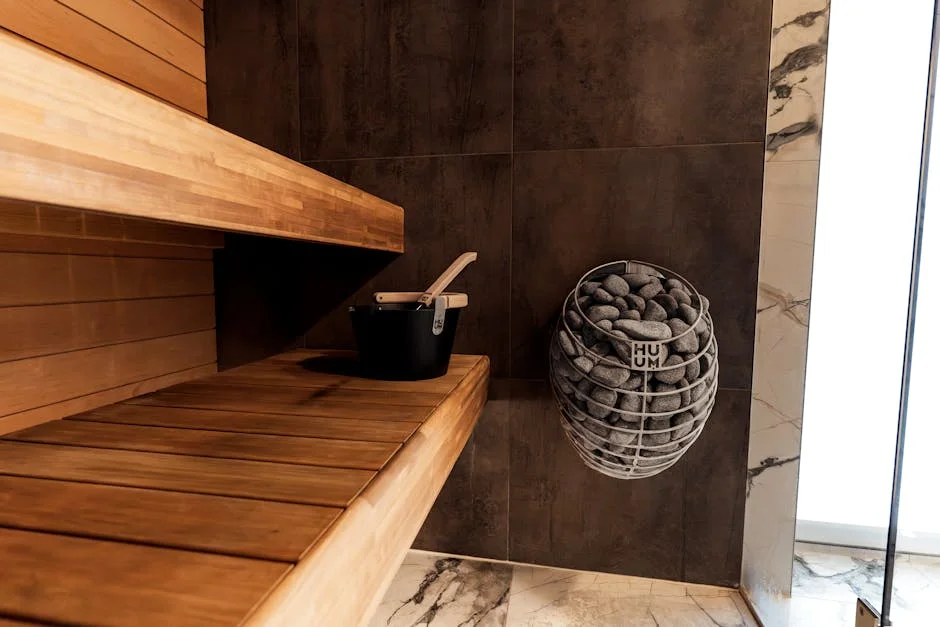
What to Look For in an Outdoor Mini Cube Sauna
Wood Species and Treatment
The wood in an outdoor sauna does two jobs simultaneously: it insulates the interior and weathers the exterior. Thermowood , heat-treated timber , handles the exterior exposure job better than untreated wood because the heat treatment process drives out moisture-absorbing compounds, reducing the expansion and contraction cycles that cause cracking, warping, and rot over years of outdoor use.
Red cedar and hemlock are the most common species used in this segment. Red cedar carries natural oils that resist moisture and insects without chemical treatment. Hemlock is denser, takes heat treatment well, and produces less aromatic resin , an advantage for users sensitive to strong wood scents inside a hot sauna. Neither is universally superior; the better choice depends on your climate and whether you want passive moisture resistance or a neutral interior environment.
Owner reports on outdoor sauna communities consistently note that wood quality shows itself over the second and third seasons, not the first. A sauna that looks fine at delivery but hasn’t been built with kiln-dried or heat-treated lumber will show checking and gap formation once it goes through a full freeze-thaw cycle. Spec sheets that list wood species without specifying treatment grade are worth scrutinizing carefully.
Heater Type, Output, and Electrical Requirements
Infrared and traditional electric heaters serve different purposes in a backyard sauna. Infrared panels , particularly far-infrared at 1,500W to 1,600W for a one-person unit , heat the body directly and reach usable temperature faster than a convection heater in the same size box. Traditional electric heaters heat the air and sauna stones, producing the humidity-capable environment that Finnish sauna tradition depends on.
For a mini cube format designed for one to two people, heater output in the 1,500W, 6,000W range covers the practical spectrum from personal infrared units to full-size barrel electric installations. The electrical requirement is the planning variable that buyers most frequently underestimate. A 1,560W infrared unit can often run on a standard 120V circuit with a dedicated breaker. A 6kW electric heater requires a 220V/240V circuit, a hardwired connection in most jurisdictions, and in many cases a licensed electrician for the final hookup.
Before selecting a heater configuration, verify the circuit availability at your intended installation site. Adding a new 240V circuit to a detached location , a backyard corner, a deck pad , adds cost and timeline to an otherwise straightforward outdoor sauna project.
Temperature Range and Climate Compatibility
Outdoor saunas operate in conditions that range from summer humidity to deep-winter cold depending on geography. A unit rated to withstand ambient temperatures down to -10°F covers most continental US climates, including upper Midwest winters. Units rated only to -5°F are adequate for moderate climates but may experience seal and component stress in sustained hard freezes.
Equally important is the upper ambient tolerance. A sauna enclosure sitting in direct summer sun in a southern US climate can see exterior surface temperatures far above ambient air temperature. Manufacturer temperature ratings typically refer to ambient air, not surface temperature , a distinction that matters for saunas installed on south-facing decks without shade.
r/Sauna community members in cold-climate states consistently recommend inspecting door seal quality and window frame construction as the specific failure points in budget-tier outdoor saunas exposed to freeze-thaw cycling. Tempered glass windows and reinforced door frames add weight to the unit but meaningfully extend service life in harsh conditions. Exploring the broader landscape of outdoor sauna options before committing to a specific configuration is time well spent.
Top Picks
Red Cedar Outdoor Infrared Sauna 1 Person
The Red Cedar Outdoor Infrared Sauna 1 Person targets the solo-user segment directly , a one-person infrared cabin built for regular outdoor use. At 1,560W, it draws enough power to reach therapeutic far-infrared temperatures efficiently while staying within reach of a dedicated standard household circuit, which matters considerably for buyers who don’t want to add a 240V run to their backyard installation.
Construction in red cedar gives this unit passive moisture resistance that untreated wood can’t match. Owner reviews consistently note the material quality is apparent at assembly , the cedar boards arrive with tight tolerances and the natural oil content is evident, both of which contribute to long-term weather resistance. For a one-person outdoor infrared unit, the combination of ultra-low EMF far-infrared panels and chromotherapy lighting addresses the two most common upgrade requests in this segment.
The rated outdoor tolerance down to -10°F makes this a year-round option for buyers in most US climates, including northern states where a mini cube format is particularly appealing , fast preheat means the sauna reaches temperature before the walk across a cold backyard becomes discouraging. Bluetooth speaker integration is functional and confirmed by verified buyers as a genuine-use feature rather than an afterthought. Confirm your installation space dimensions and electrical circuit details before ordering.
Check current price on Amazon.
LTCCDSS Low EMF Outdoor Far Infrared Sauna 2-Person
The step up to two-person capacity changes the planning calculus in specific ways. The LTCCDSS Low EMF Outdoor Far Infrared Sauna 2-Person built in hemlock wood represents the two-person infrared segment at mid-range pricing , a unit that fits couples or occasional shared use without the footprint commitment of a barrel sauna or traditional cabin build.
Hemlock is the right wood choice for a two-person infrared application. Its lower resin content keeps the interior environment neutral during extended far-infrared sessions, and its structural density holds dimensional stability well in the outdoor humidity cycling that affects larger panels more noticeably than smaller ones. Verified buyers specifically note the panel fit quality on assembly, which is the detail that separates a hemlock unit built to spec from one that was dimensioned poorly.
The outdoor temperature tolerance rated to -5°F is the meaningful spec difference compared to the Red Cedar unit above , adequate for most US climates but worth checking against your local winter minimum before purchasing. LED reading lamps and chromotherapy lighting are standard inclusions in this segment and confirmed as functional by owner reports. The low-EMF far-infrared panel configuration follows the same design principle as the single-person units: direct body heating with reduced electromagnetic field output, which is the specification that buyers coming from infrared research typically prioritize.
Check current price on Amazon.
Outdoor Wooden Panoramic Barrel Sauna, 4-6 Person
The shift from infrared cube to wood-fired or electric barrel sauna is a shift in sauna philosophy as much as format. The Outdoor Wooden Panoramic Barrel Sauna, 4-6 Person built in red cedar with a 6kW Toule electric heater is a traditional convection sauna , it heats air, allows for löyly (water on stones), and accommodates four to six people in the curved-wall barrel configuration that has been the standard outdoor community sauna form for generations.
The panoramic window design is the distinctive feature here. Barrel saunas traditionally prioritize thermal mass and insulation over views; a panoramic glass installation trades some insulation efficiency for an interior experience that doesn’t feel enclosed. Owner reports note the 8mm tempered glass holds up to the thermal cycling demands of a sauna environment, which is the durability question that thinner glass panels fail over time.
At 6kW, this unit requires 220V/240V power and a hardwired installation. That is not a drawback , it is the configuration required to heat a four-to-six person volume properly , but buyers who have not yet confirmed 240V circuit availability at their installation site need to resolve that before purchase. The asphalt shingle roof is a practical inclusion for permanent outdoor installation; it handles precipitation without the ongoing maintenance that untreated wood roofing requires.
Check current price on Amazon.
ZONEMEL Outdoor Barrel Steam Sauna for 6 Person with Porch
Wood-fired sauna represents the original configuration , no electrical connection required at the sauna itself, all heat generated by combustion. The ZONEMEL Outdoor Barrel Steam Sauna for 6 Person with Porch in Canadian red cedar with a wood-fired stove and chimney kit is the choice for buyers who want that self-contained, off-grid-compatible setup in a six-person barrel format.
The porch extension is a meaningful functional addition, not a cosmetic one. Traditional Finnish sauna use involves cooling periods , stepping outside, cooling down, returning. A covered porch attached to the sauna structure gives that transition space without requiring a separate structure or walking to a separate area. Owner reports on wood-fired barrel saunas consistently cite the porch as a high-use feature, particularly in climates where cooling periods might otherwise mean standing in rain or snow.
Canadian red cedar at the construction specification level carries the same inherent moisture and insect resistance as domestic red cedar, with the additional consistency that comes from Canadian forestry grading standards. The 8mm tempered glass, sauna stone set, water bucket, and ladle are included , meaning the unit ships with the accessories required to begin traditional steam sauna sessions without a separate accessory order. At 195°F maximum operating temperature, this unit reaches the upper range of traditional Finnish sauna practice. Verify local fire codes and setback requirements for wood-fired outdoor appliances before installation.
Check current price on Amazon.
Buying Guide
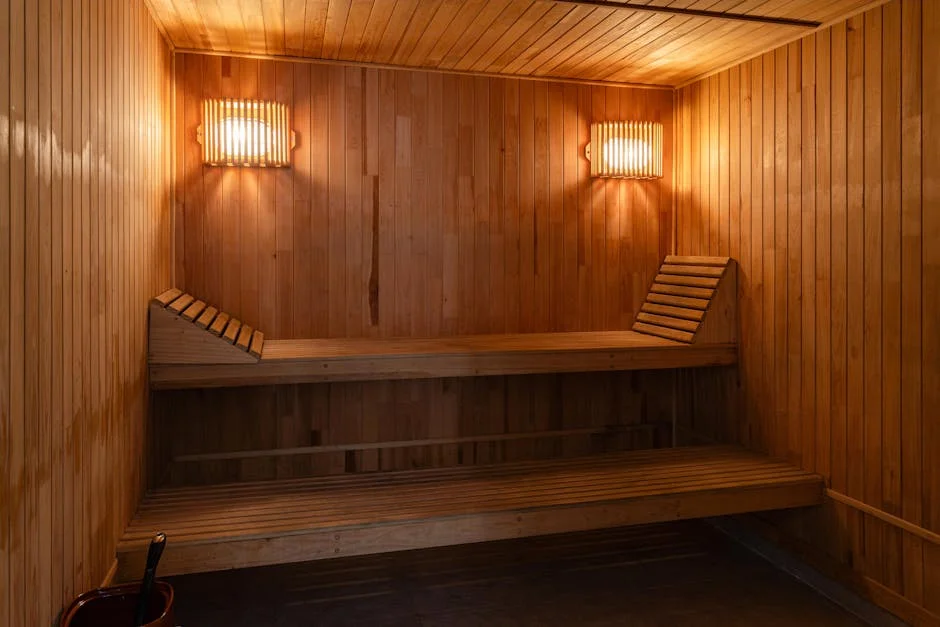
Infrared vs. Traditional Electric vs. Wood-Fired
The heater configuration determines the type of sauna experience you will have, not just the installation requirements. Far-infrared units heat the body directly through radiant panel output , they reach usable temperature in 10, 15 minutes, operate at lower air temperatures (typically 120°F, 140°F), and draw lower wattage than convection heaters in equivalent sizes. Traditional electric heaters heat air and stones to higher temperatures (160°F, 195°F) and allow for steam generation by pouring water on hot stones. Wood-fired heaters achieve the same high-temperature convection result without any electrical connection at the sauna.
For buyers primarily interested in the therapeutic and recovery applications associated with far-infrared exposure, the infrared cabin format is the appropriate choice. For buyers who want the traditional Finnish steam experience , the full sensory environment of hot stones, steam, and the löyly ritual , an electric or wood-fired heater is required. These are genuinely different experiences, and the choice is not primarily a budget decision.
Capacity and Footprint Planning
Mini cube and single-person infrared units occupy roughly 3, 4 square feet of floor space and can sit on an existing deck pad or patio with adequate clearance. A four-to-six person barrel sauna requires a level foundation , compacted gravel, concrete pavers, or a poured slab , and enough setback from structures to satisfy local building codes and fire safety requirements, particularly for wood-fired units.
Verify local setback requirements before finalizing placement. Most jurisdictions require outdoor sauna structures to maintain minimum distances from property lines, fences, and the primary residence. Wood-fired units have additional requirements related to chimney clearance and fire safety. Checking with your local building department before purchase avoids the scenario of receiving a delivered unit with nowhere compliant to put it.
Electrical Requirements and Site Preparation
This is the planning variable that most frequently creates post-purchase complications. A 1,560W infrared unit typically operates on a 120V, 15, 20 amp dedicated circuit , something many buyers can add to an existing panel without significant cost. A 6kW electric heater requires a 240V circuit, a dedicated breaker in the 25, 30 amp range, and hardwired connection per most electrical codes. That means conduit, wire run to the installation site, and a licensed electrician in most US jurisdictions.
Budget the electrical work as a line item before comparing sauna models. The sauna itself may be mid-range in price, but the site preparation , foundation, electrical run, any permits required , can equal or exceed the unit cost for buyers starting from an unprepared backyard location. Buyers who have researched the Redwood Outdoors approach to outdoor sauna installation understand this trade-off clearly: the unit is the visible purchase, but the site work is the cost that determines total project budget.
Assembly and Delivery Logistics
Outdoor barrel saunas and cabin units in the four-to-six person range ship as freight, not parcel. Freight delivery means a scheduled appointment, a truck with liftgate or curbside drop, and the buyer’s responsibility to move components from the delivery point to the installation site. A six-person barrel sauna may arrive on a pallet weighing several hundred pounds , plan for additional labor or equipment to move components across a yard or around a structure.
Assembly complexity varies. Infrared cabin units in the one-to-two person range typically involve panel-and-bracket assembly that two people can complete in two to four hours. Barrel saunas involve stave assembly, banding, roof installation, and heater hookup , a more involved process that benefits from a third person and a full day’s allocation. Reviewing assembly instructions before purchase, not after, is the relevant quality signal: manufacturers who provide detailed, accurate documentation typically build to the same standard as they document.
Frequently Asked Questions
Is the thermowood mini cube format suitable for year-round outdoor use in cold climates?
Units rated to -10°F ambient tolerance , like the Red Cedar Outdoor Infrared Sauna , are designed for year-round outdoor installation in most continental US climates, including upper Midwest winters. The key variables are door seal quality and window frame construction, which are the points where cold-climate thermal cycling creates stress over multiple seasons. Owner reports from cold-climate states consistently identify these as the durability indicators that separate well-built units from budget construction.
What is the difference between far-infrared and traditional steam sauna in an outdoor unit?
Far-infrared saunas heat the body directly through radiant panel output at lower air temperatures, typically without steam. Traditional electric and wood-fired saunas heat air and stones to higher temperatures and allow water to be poured on stones to generate steam , the löyly experience central to Finnish sauna tradition. The ZONEMEL Outdoor Barrel Steam Sauna represents the traditional format; the Red Cedar infrared unit represents the far-infrared approach. They serve different preferences, not different price points.
Do I need a licensed electrician to install an outdoor sauna?
For infrared units operating on 120V dedicated circuits, a licensed electrician may not be required in all jurisdictions, though a dedicated breaker and proper outdoor wiring are still necessary. For electric heaters at 6kW requiring 240V hardwired connections , including the Outdoor Wooden Panoramic Barrel Sauna , a licensed electrician is required under most US electrical codes. Confirm your local requirements before purchase, and budget the electrical installation as a separate project cost.
How do red cedar and hemlock compare for outdoor sauna construction?
Red cedar carries natural oils that provide inherent moisture and insect resistance without chemical treatment , a passive durability advantage in wet or variable climates. Hemlock is denser with lower resin content, producing a more neutral interior scent environment, which some users strongly prefer for extended infrared sessions. Both species perform well in outdoor sauna construction when properly dried and assembled. Climate and personal preference for interior environment are the deciding factors rather than a universal quality difference between the two woods.
Can a wood-fired outdoor barrel sauna be installed without any electrical connection?
Yes. The ZONEMEL Outdoor Barrel Steam Sauna with its wood-fired stove and chimney kit operates entirely without electrical power at the sauna structure , heat is generated by combustion, making it compatible with off-grid locations or sites where running a new electrical circuit would be costly or impractical. Interior lighting is the one component that may require a power source; verify whether the unit’s lighting is battery-operated or hardwired before assuming complete electrical independence.
Where to Buy
Red Cedar Outdoor Infrared Sauna 1 Person, Ultra Low EMF Far Infrared Sauna, 1560W, Withstand Outdoor Temp -10℉-149℉, Home Spa with Bluetooth Speaker, Chromotherapy Lights, Reading LightsSee Red Cedar Outdoor Infrared Sauna 1 Pe… on Amazon