Basement Sauna Buyer's Guide: Types, Features & Options

Affiliate disclosure: Some links on this page are affiliate links. If you buy through them we earn a small commission at no extra cost to you. Recommendations are research-driven; we don't claim personal use of every product reviewed. Product prices and availability are accurate as of the date published and are subject to change. Always check Amazon for current pricing before purchasing. Learn more.
Quick Picks
OUTEXER Traditional Steam Sauna Home Spa Room for 2-3 Person Steam Wet Indoor Saunas with 240V 3KW Heater,Sauna Stone, Water Bucket, Ladle, LED Lights
Quality construction suited to regular home sauna use
Buy on AmazonX-Vcak 2 Person Sauna, Extra Large Sauna, Portable Steam Sauna Tent with 2 Steamers, 2 Folding Chair, 71”x 49”x 36”, Black
Quality construction suited to regular home sauna use
Buy on AmazonGeneric 3 Person Infrared Sauna 0-5mG Ultra Low EMF Far Infrared Sauna for Home 2130W/20A Canadian Hemlock Indoor Sauna with Front Door Heating Panel, Chromotherapy Lights
Quality construction suited to regular home sauna use
Buy on Amazon| Product | Price Range | Top Strength | Key Weakness | Buy |
|---|---|---|---|---|
| OUTEXER Traditional Steam Sauna Home Spa Room for 2-3 Person Steam Wet Indoor Saunas with 240V 3KW Heater,Sauna Stone, Water Bucket, Ladle, LED Lights best overall | $$$ | Quality construction suited to regular home sauna use | Confirm specifications match your specific installation space and electrical requirements | Buy on Amazon |
| X-Vcak 2 Person Sauna, Extra Large Sauna, Portable Steam Sauna Tent with 2 Steamers, 2 Folding Chair, 71”x 49”x 36”, Black also consider | $$$ | Quality construction suited to regular home sauna use | Confirm specifications match your specific installation space and electrical requirements | Buy on Amazon |
| Generic 3 Person Infrared Sauna 0-5mG Ultra Low EMF Far Infrared Sauna for Home 2130W/20A Canadian Hemlock Indoor Sauna with Front Door Heating Panel, Chromotherapy Lights also consider | $$$ | Quality construction suited to regular home sauna use | Confirm specifications match your specific installation space and electrical requirements | Buy on Amazon |
| MEISSALIVVE Full Spectrum Infrared Sauna,2-3 Person Home Sauna,Wooden Canadian Hemlock Indoor Spa Sauna with Resonance Speaker, Panoramic Tempered Glass Door also consider | $$$ | Quality construction suited to regular home sauna use | Confirm specifications match your specific installation space and electrical requirements | Buy on Amazon |
| Portable Steam Sauna Tent for Home 3L Infrared Sauna for Indoor, Outdoor, Gym, Spa also consider | $$$ | Quality construction suited to regular home sauna use | Confirm specifications match your specific installation space and electrical requirements | Buy on Amazon |
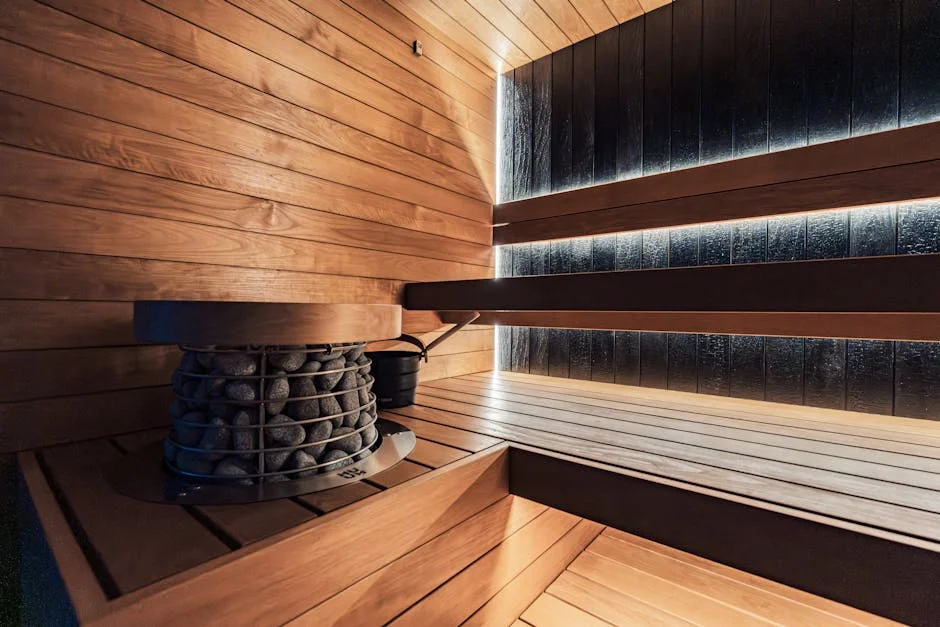
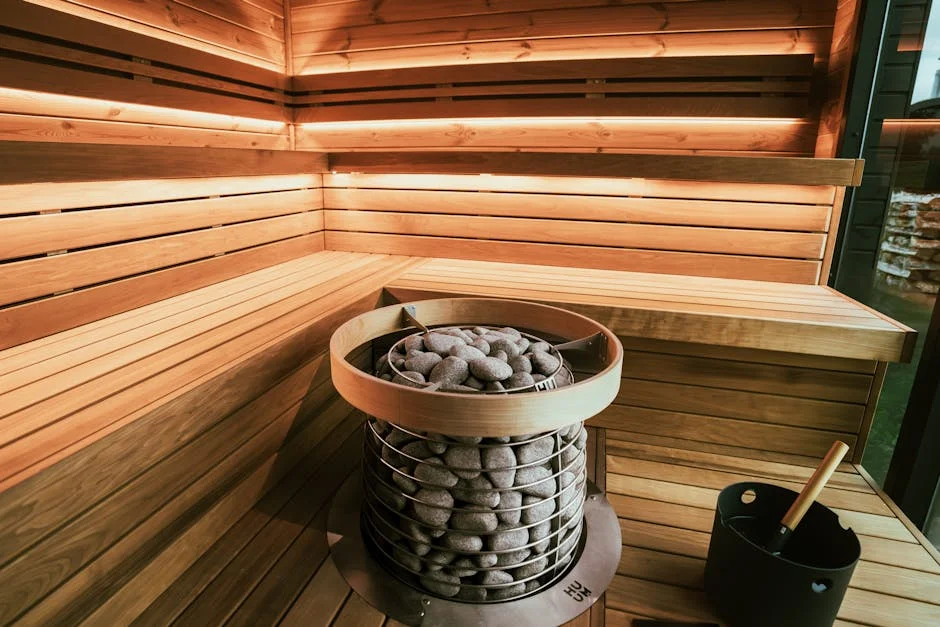
A basement sauna transforms otherwise unused square footage into the most-used room in the house. Whether the goal is post-workout recovery, a daily wind-down ritual, or simply bringing a Finnish tradition indoors, the basement is often the practical choice , contained heat, no weather exposure, and plumbing nearby if you want steam. The options available now span portable tent saunas, traditional steam rooms, and full-spectrum infrared cabins, which means the first real decision is understanding which type fits your space and goals. Browse the full range of indoor saunas to get oriented before narrowing down.
What separates a good basement sauna from a disappointing one comes down to three things: the right heat type for how you use a sauna, an honest assessment of your electrical capacity, and materials that hold up to years of moisture and thermal cycling. Each of those factors looks different depending on whether you’re setting up a permanent cedar cabin or a portable tent you can store between sessions.
What to Look For in a Basement Sauna
Sauna Type: Steam vs. Infrared vs. Portable Tent
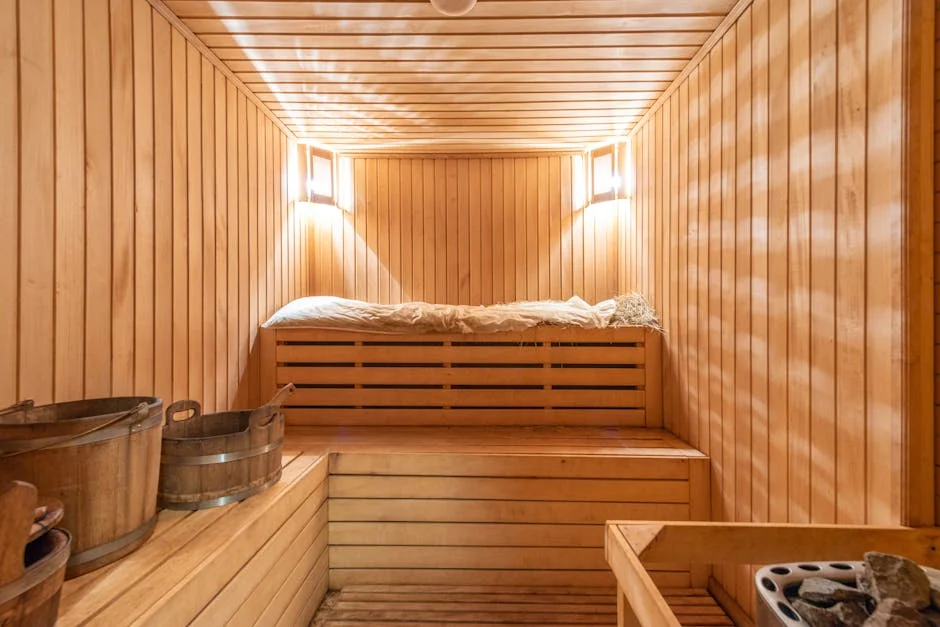
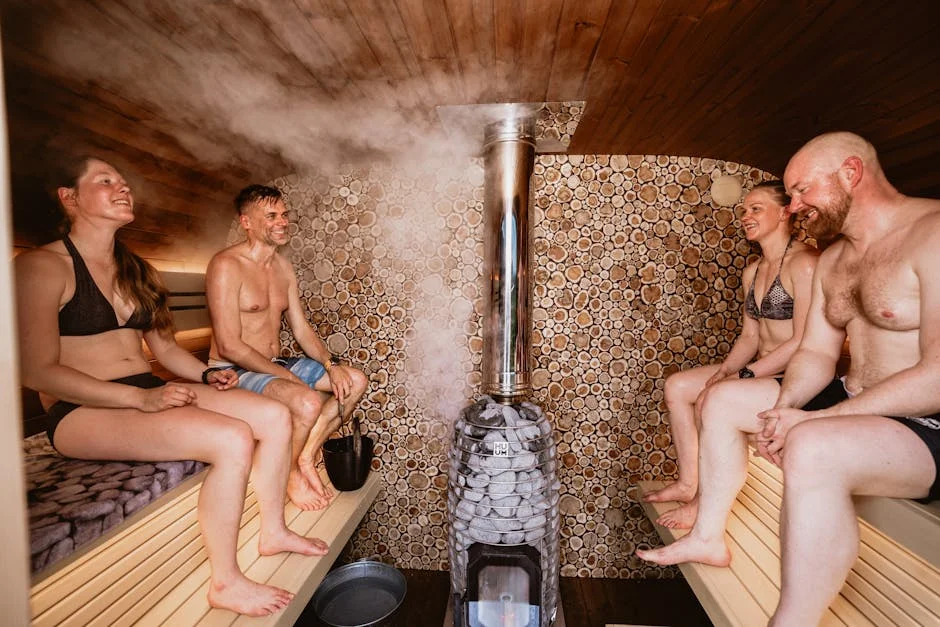
The most fundamental decision is heat delivery method, and it affects every other variable in the buying process. Traditional steam saunas heat the room to high ambient temperatures , typically 160°F to 195°F , using a rock heater and water for löyly, the steam release that Finnish sauna culture centers on. The experience is immersive and communal, but the construction requirements are more demanding: walls need moisture barriers, ventilation needs to be managed, and the electrical load is significant.
Infrared saunas work differently. Heating panels emit far- or full-spectrum infrared radiation that warms the body directly rather than heating the surrounding air. Temperatures run lower , typically 120°F to 150°F , which many users find more tolerable for longer sessions. The construction is more forgiving because moisture management is less critical, and some infrared units operate on standard 120V household current, though larger cabins require 240V.
Portable tent saunas occupy a third category. They use a steam generator to fill an enclosed fabric tent, creating a humid heat environment without any permanent installation. Setup and breakdown take minutes. They are the right answer for renters, for basements where a permanent structure is impractical, or for buyers who want sauna access without a significant capital commitment.
Electrical Requirements and Circuit Planning
This is where basement sauna projects most often stall. A 3kW traditional steam heater on 240V draws roughly 12.5 amps continuously , and most electricians recommend a dedicated 20A or 30A circuit with appropriate wire gauge and breaker sizing. Full-spectrum infrared cabins at 2,000W or more have similar requirements.
Before purchasing anything beyond a portable tent, verify your electrical panel has the capacity for a dedicated circuit. Older panels in homes built before the 1980s frequently do not. A licensed electrician’s assessment is not optional here , it is the single most important pre-purchase step. Budget for that assessment before calculating the total project cost.
Portable steam tents with small generators (2, 3 liters) often run on standard 120V outlets, which is a meaningful practical advantage for basements where adding a circuit is not feasible.
Space, Ventilation, and Moisture Management
Basement saunas require more spatial planning than surface-level measurements suggest. A two-person cabin with a stated footprint of 60” × 45” needs clearance around it for air circulation, door swing, and safe access to controls. Measure the basement ceiling height carefully , many units stand 75” to 78” tall, and low-beam ceilings are common in older homes.
Ventilation matters most for traditional steam saunas. Without adequate air exchange, humidity builds up in the surrounding space and can cause moisture damage to adjacent walls, insulation, and joists. A floor-level fresh air inlet and an upper-wall exhaust vent are the standard approach for permanent installations. Infrared saunas are drier and less demanding, but some fresh air circulation is still advisable during longer sessions.
Moisture barriers , typically a foil-faced vapor barrier behind cedar paneling , are standard for any permanent traditional steam sauna. Skipping this step is the most common cause of long-term structural problems in home sauna installations.
Permits and Installation Considerations
Permanent sauna installations in a basement generally require a building permit in most jurisdictions. The threshold is typically any structure with electrical work or that constitutes a permanent room addition. Portable tent saunas do not require permits because they are not permanent structures.
For permanent cabins, the permit process usually involves submitting electrical plans and sometimes a structural drawing of the framing. The permit exists to ensure the electrical work is inspected , a meaningful safety checkpoint given the moisture and heat involved. Skipping the permit is a risk that shows up at resale when title searches flag unpermitted work. Consulting the full landscape of indoor sauna options is worth doing before committing to a permanent installation, because the type of sauna you choose directly determines whether a permit is required.
Top Picks
OUTEXER Traditional Steam Sauna Home Spa Room for 2-3 Person
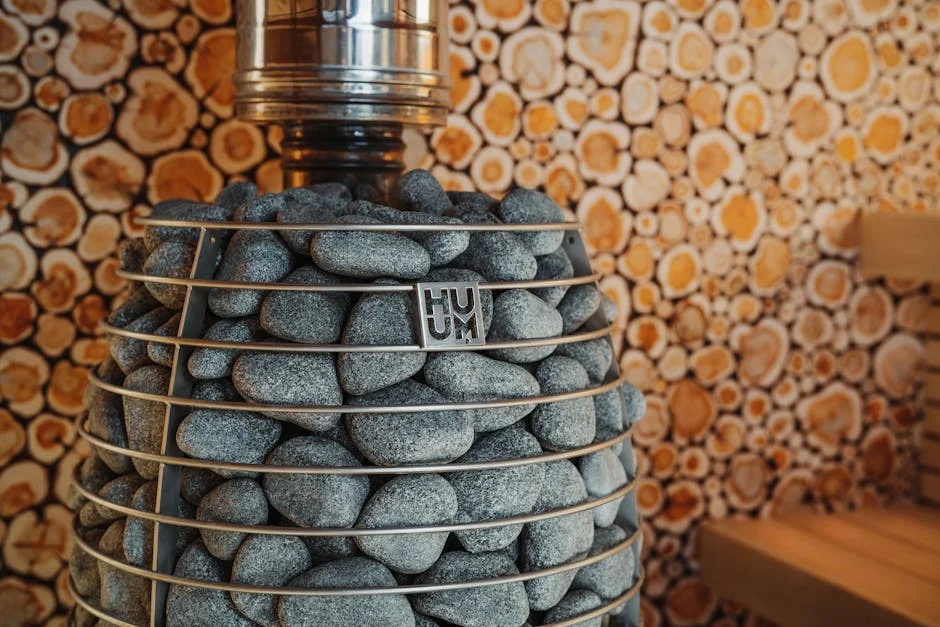
The OUTEXER Traditional Steam Sauna makes the case for traditional wet steam in a basement context clearly. The 3kW 240V heater is sized appropriately for a two-to-three person room, delivering the high ambient temperatures that define the Finnish sauna experience , the kind of environment where löyly from sauna stones actually fills the space rather than dissipating against cold air.
Construction quality in this category matters over a long time horizon. Steam rooms cycle through extreme humidity and heat repeatedly, and materials that hold up are not incidental to value , they are the value. Owner reports consistently note that the OUTEXER’s build quality supports regular use, which is the threshold that separates a home sauna from a novelty purchase.
The electrical requirements deserve direct attention. A 240V 3kW heater requires a dedicated circuit, appropriate wire gauge, and correct breaker sizing , this is not plug-and-play. Plan for an electrician visit before the unit arrives. Ventilation planning is equally important: a permanent steam room in a basement needs a moisture barrier behind the walls and air exchange provisions to prevent humidity from migrating into surrounding framing. The package includes sauna stones, a water bucket, ladle, and LED lights, which covers the immediate accessories. The structural preparation is the buyer’s work.
Check current price on Amazon.
X-Vcak 2 Person Sauna, Extra Large
The X-Vcak 2 Person Extra Large Sauna addresses a genuine gap in the portable segment: most portable tent saunas feel cramped for two adults, and this one doesn’t. At 71” × 49” × 36”, the interior gives two people actual room to sit comfortably without the awkward proximity that smaller tents force. The dual-steamer configuration supports that scale , one steam generator often struggles to heat a larger volume effectively, so the two-unit setup is a practical design decision rather than a feature add.
Verified buyer reports note the quality of construction holds up to regular use, which matters more for portable units than the category’s reputation might suggest. A tent sauna used twice a week faces a lot of zipper and seam cycling. Two folding chairs are included, which means the unit is ready to use out of the box without additional equipment sourcing.
For basement applications specifically, the portable format is an advantage if the space has low ceilings, exposed beams, or other constraints that make permanent installation impractical. Setup and breakdown are straightforward. Storage footprint when not in use is modest. The electrical load from two steam generators is higher than a single-unit tent, so confirming your outlets can handle the draw simultaneously is worth checking before the first session.
Check current price on Amazon.
3 Person Infrared Sauna 0-5mG Ultra Low EMF
The ultra-low EMF specification is the defining feature of this 3 Person Infrared Sauna, and for buyers who have researched infrared sauna health claims carefully, it is a meaningful differentiator. The 0, 5mG rating puts it in the range that r/Sauna community members consistently cite as the threshold for confident daily use , well below the 10, 50mG range common in lower-cost infrared units. For a sauna that will see regular long-duration sessions, that specification carries real weight.
The Canadian Hemlock construction is a strong choice for a basement installation. Hemlock is dimensionally stable under repeated thermal cycling, holds fasteners well, and doesn’t off-gas problematically at sauna temperatures. The 2,130W/20A draw requires a dedicated 20A circuit, which is more manageable than a 30A 240V installation but still requires an electrician’s involvement to install properly. At three-person capacity, the footprint is meaningful , measure the basement space with ceiling height in mind, as the unit will need clearance for installation and access.
Chromotherapy lighting and a front-door heating panel are included features that owner reviews rate positively for the daily-use experience. The front-panel heater design ensures heat distribution reaches the lower body effectively, which is a documented point of variation across infrared cabin designs. For buyers prioritizing low EMF, Canadian Hemlock construction, and three-person capacity in a permanent basement installation, this unit addresses the core criteria directly.
Check current price on Amazon.
MEISSALIVVE Full Spectrum Infrared Sauna, 2-3 Person
Full-spectrum infrared , near, mid, and far wavelengths together , is the specification that distinguishes the MEISSALIVVE Full Spectrum Infrared Sauna from far-infrared-only units at a similar capacity. The practical implication is that near-infrared, which penetrates tissue more shallowly, adds to the experience in ways that far-IR alone does not deliver. Whether that distinction matters to a given buyer depends on how they’re using the sauna and what research they find credible , but for buyers who have specifically sought full-spectrum coverage, this is a genuine specification match rather than marketing language.
The panoramic tempered glass door and resonance speaker system are quality-of-life features that the owner review consensus rates highly. The glass door changes the sensory character of an infrared session considerably , the enclosed, opaque-walled feel of most infrared cabins is replaced by something more open. Canadian Hemlock construction throughout supports long-term durability under the thermal and humidity cycles a regularly used home sauna produces.
For a 2, 3 person basement installation, the footprint and electrical requirements warrant the same pre-purchase checklist as other permanent cabins: dedicated circuit, appropriate breaker and wire gauge, ceiling height clearance, and a building permit if your jurisdiction requires one for permanent electrical installations. Verified buyers consistently highlight the build quality as appropriate for long-term home use, which is the foundational requirement before any feature comparison becomes meaningful.
Check current price on Amazon.
Portable Steam Sauna Tent for Home
The Portable Steam Sauna Tent is the right answer for a specific type of basement sauna buyer: someone who wants sauna access regularly but isn’t ready , financially, logistically, or in terms of their living situation , for a permanent installation. A 3-liter steam generator, standard 120V operation, and a setup time measured in minutes make this the lowest-friction entry into home sauna use.
Owner reports consistently note that the heat output from the 3L generator is adequate for solo sessions, reaching the temperature range that delivers the physiological response most sauna users are seeking. The fabric tent format means moisture stays contained within the tent rather than requiring basement-wide humidity management , which matters considerably for basement spaces where moisture control is already a concern.
The trade-offs relative to a permanent cabin are real and worth naming plainly: the experience is less immersive, the heat retention between sessions doesn’t exist, and the assembly-disassembly cycle adds friction to daily use. For a buyer testing whether a sauna fits their routine before committing to a permanent unit, or for a renter who cannot install a permanent structure, those trade-offs are acceptable. For someone building a long-term home sauna practice, the portable tent is a starting point rather than a final answer.
Check current price on Amazon.
Buying Guide
Choosing Between Steam and Infrared for a Basement
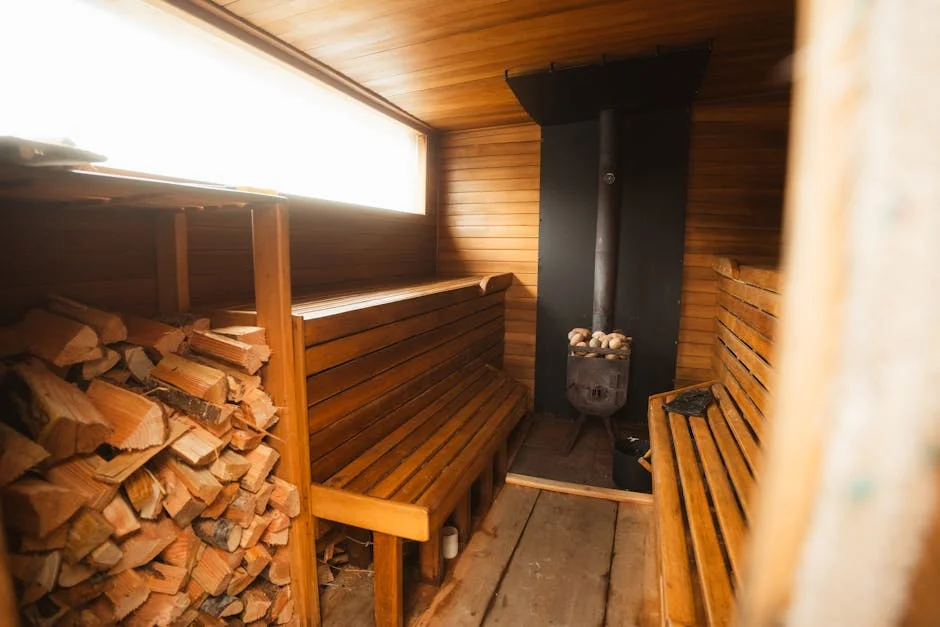
The steam-versus-infrared decision is not primarily about which experience is better , it is about which installation your basement can support. Traditional steam saunas require high-amperage 240V circuits, robust moisture management, and in most jurisdictions a building permit. They deliver the communal, high-heat experience that Finnish sauna culture is built around, and they support löyly in a way infrared does not.
Infrared cabins have a lower installation threshold. Many run on 20A 240V circuits, some on 120V. Moisture management is simpler because the heat is drier. For buyers who want a permanent sauna without a complex installation, infrared is typically the more practical path. The indoor sauna category covers both types in depth if you want to compare specifications across a broader field.
Matching Unit Capacity to Your Space
Capacity labels , two-person, three-person , describe the intended use configuration, not just physical dimensions. A two-person infrared cabin is not simply a smaller three-person unit; bench layout, heater placement, and airflow are all sized differently. Buy for actual use rather than maximum possible occupancy.
For basement installations, ceiling height is frequently the binding constraint. Most permanent cabin units stand between 75” and 78” tall. A finished basement with 8-foot ceilings has adequate clearance; a basement with 7-foot ceilings and a beam running through the intended installation zone may not. Measure twice, including any structural elements that interrupt the planned footprint.
Electrical Planning Before Purchase
No permanent sauna installation should be purchased before an electrician assesses the panel. This is not a precaution , it is a prerequisite. A 3kW steam heater on 240V, a 2,130W infrared cabin on a dedicated 20A circuit, or dual steam generators on 120V circuits all represent loads that most basements were not originally wired to support.
The electrician visit establishes whether the panel has capacity, what the dedicated circuit installation will cost, and whether the planned location is reachable with appropriate wire runs. That information shapes the total project cost and sometimes changes the optimal product choice. Running this assessment after purchase creates a scenario where the product has arrived but cannot be safely operated.
Ventilation and Moisture Control
Traditional steam saunas produce significant humidity. In a basement, that humidity has nowhere to go without active management , and moisture migrating into wood framing, insulation, and drywall causes structural damage over time. The standard approach: a vapor barrier behind the interior walls, a low fresh-air inlet on the cold wall, and an upper exhaust vent to allow air exchange during sessions.
Infrared saunas are substantially drier and require less intensive moisture management, but some air circulation during longer sessions improves the experience and prevents any localized humidity buildup. A portable tent sauna contains its own moisture, which is part of what makes it practical for basements where adding ventilation is not straightforward.
Permits and Long-Term Considerations
Permanent sauna installations in a basement typically require a permit anywhere that building codes cover electrical work or room additions. The permit process is not onerous for most residential installations , it primarily involves an electrical inspection. The more important reason to pull the permit is resale: unpermitted work in a basement is a disclosure issue that complicates home sales and can affect title insurance.
Portable tent saunas require no permits and leave no trace on the property. For buyers who are not certain about their long-term plans, or who are in a rental situation, that administrative simplicity has genuine value.
Frequently Asked Questions
Do I need a permit to install a sauna in my basement?
For permanent sauna installations , any unit with dedicated electrical work or constructed as a fixed room , most jurisdictions require a permit. The permit primarily covers the electrical installation and ensures it is inspected for safety. Portable tent saunas do not require permits because they are not permanent structures and operate on standard household circuits. Check with your local building department before beginning any permanent installation.
What electrical requirements should I plan for with a basement sauna?
Permanent steam and infrared cabin saunas typically require a dedicated 240V circuit, with the specific amperage depending on the unit’s wattage , a 3kW heater requires roughly 20, 30A capacity. Have a licensed electrician assess your panel before purchasing. Portable steam tents with small generators generally operate on standard 120V household outlets, making them the most electrically accessible option.
How much space does a two-person basement sauna typically need?
Beyond the stated cabin footprint, plan for clearance on all sides for air circulation, door swing, and safe access to the heater or controls. Ceiling height is equally important , most permanent units stand 75” to 78” tall. A basement with 7-foot ceilings and overhead obstructions may not accommodate a standard cabin without careful positioning. Measure the intended space fully, including any beams or HVAC runs.
Is an infrared sauna or a traditional steam sauna better for a basement installation?
The stronger choice depends on your basement’s existing electrical capacity and your tolerance for the installation complexity. Traditional steam saunas deliver a more immersive, higher-heat experience with löyly, but they require robust moisture management and higher electrical loads. Infrared cabins , like the 3 Person Infrared Sauna , are drier, have lower installation thresholds, and are generally more practical for basements where adding 240V capacity is the only electrical work needed.
Can a portable tent sauna work as a long-term basement sauna solution?
For regular solo use, a portable tent sauna like the Portable Steam Sauna Tent is a functional long-term option , particularly for renters or buyers where permanent installation is not practical. The experience is less immersive than a permanent cabin, and the assembly-disassembly cycle adds friction. For buyers committed to daily or near-daily use over years, a permanent unit is the more satisfying long-term investment once the electrical and permitting groundwork is done.
Where to Buy
OUTEXER Traditional Steam Sauna Home Spa Room for 2-3 Person Steam Wet Indoor Saunas with 240V 3KW Heater,Sauna Stone, Water Bucket, Ladle, LED LightsSee OUTEXER Traditional Steam Sauna Home … on Amazon