Sauna Vent Buyer's Guide: Types, Materials & Installation

Affiliate disclosure: Some links on this page are affiliate links. If you buy through them we earn a small commission at no extra cost to you. Recommendations are research-driven; we don't claim personal use of every product reviewed. Product prices and availability are accurate as of the date published and are subject to change. Always check Amazon for current pricing before purchasing. Learn more.
Quick Picks
Generic 4 inch Resin Free Wood Diffuser - Round Sauna Vent Cover - Adjustable Air Valve - Supply Exhaust Ventilation Covers for Wall and Ceiling - Black Alder
Quality construction suited to regular home sauna use
Buy on AmazonSteinberg14 (no resin) Wooden Vent Cover 4 inch - Universal Supply and Exhaust Valve - Adjustable Vent Cover - Round Wall Ceiling Vent - Wooden Air Diffuser - Sauna Vent Cover with Black Alder Wood
Quality construction suited to regular home sauna use
Buy on AmazonGeneric 4 Inch Black Soffit Vent Cover, FocuVenHom Stainless Steel Round Louvered Grille Cover Vent Hood Flat Ducting Ventilation Wall Vent with Built-in Fine Mesh for Garage, Apartment, RV (100mm - 2PCS)
Quality construction suited to regular home sauna use
Buy on Amazon| Product | Price Range | Top Strength | Key Weakness | Buy |
|---|---|---|---|---|
| Generic 4 inch Resin Free Wood Diffuser - Round Sauna Vent Cover - Adjustable Air Valve - Supply Exhaust Ventilation Covers for Wall and Ceiling - Black Alder best overall | $$ | Quality construction suited to regular home sauna use | Confirm specifications match your specific installation space and electrical requirements | Buy on Amazon |
| Steinberg14 (no resin) Wooden Vent Cover 4 inch - Universal Supply and Exhaust Valve - Adjustable Vent Cover - Round Wall Ceiling Vent - Wooden Air Diffuser - Sauna Vent Cover with Black Alder Wood also consider | $$ | Quality construction suited to regular home sauna use | Confirm specifications match your specific installation space and electrical requirements | Buy on Amazon |
| Generic 4 Inch Black Soffit Vent Cover, FocuVenHom Stainless Steel Round Louvered Grille Cover Vent Hood Flat Ducting Ventilation Wall Vent with Built-in Fine Mesh for Garage, Apartment, RV (100mm - 2PCS) also consider | $$ | Quality construction suited to regular home sauna use | Confirm specifications match your specific installation space and electrical requirements | Buy on Amazon |
| Vindar Sauna Room Air Vent 3.74" Round Pine Wooden Sauna Adjustable Exhaust Air Ventilation for Barrel Sauna, Sauna Room, Steam Room Exhaust Ventilation also consider | $$ | Quality construction suited to regular home sauna use | Confirm specifications match your specific installation space and electrical requirements | Buy on Amazon |
| Generic 6 inch Resin Free Wood Diffuser - Round Sauna Vent Cover - Adjustable Air Valve - Supply Exhaust Ventilation Covers for Wall and Ceiling - Black Alder also consider | $$ | Quality construction suited to regular home sauna use | Confirm specifications match your specific installation space and electrical requirements | Buy on Amazon |
Proper ventilation is one of the most overlooked factors in a home sauna build , and one of the most consequential. Without adequate airflow, heat distribution becomes uneven, humidity stacks in the wrong places, and the wood itself begins to suffer. Choosing the right sauna components from the start saves real trouble later.
The vent cover is where that airflow system meets the finished interior. Material, diameter, adjustability, and compatibility with your wall or ceiling substrate all shape which option fits your build. The five options reviewed here represent the range most home sauna builders will encounter.
What to Look For in a Sauna Vent
Material and Heat Tolerance
Not every vent cover sold online is designed for sauna conditions. Standard HVAC diffusers and household register covers are built for ambient-temperature air delivery , they are not rated for the sustained heat and humidity cycles a sauna generates. The materials that hold up reliably are resin-free kiln-dried wood (black alder and pine are the most common), and heavy-gauge stainless steel.
Resin is the critical word with wood. Wood species that contain natural resins , spruce, pine in lower grades , will off-gas when heated, producing an unpleasant smell and potentially releasing compounds you do not want in an enclosed breathing space. Black alder is the traditional choice for sauna interior components because it is virtually resin-free, takes heat well, and stays dimensionally stable through repeated humidity cycles. Pine used in sauna-grade components is selected and dried specifically to minimize resin content. If a product listing does not address resin content, that omission is worth noting.
Stainless steel is the other defensible choice. It does not off-gas, does not absorb moisture, and holds its finish at elevated temperatures. The trade-off is aesthetic , steel reads as functional rather than warm, which suits some builders and clashes with others.
Diameter and Airflow Sizing
The 4-inch diameter is the baseline for most home sauna vent installations. It moves adequate air for rooms up to roughly 200 cubic feet when paired with a properly positioned inlet and outlet. Larger rooms , or sauna designs where the vent also serves as the primary exhaust path , benefit from a 6-inch diameter, which increases the cross-sectional area and reduces restriction at higher airflow rates.
Getting the sizing wrong in either direction causes problems. An undersized vent starves the heater of combustion air (in wood-burning setups) or creates stagnant zones where moisture accumulates. An oversized vent in a small room can cause drafts that make temperature control difficult and overwork the heater to compensate. Measure your room volume and cross-reference against the manufacturer’s airflow rating before selecting a diameter.
Adjustability and Positioning Logic
Sauna ventilation is not a set-and-forget system. Airflow needs differ between the preheat phase, the active sauna session, and the cool-down period afterward. A vent with an adjustable damper , typically a rotating disc or sliding plate behind the face cover , lets the user modulate flow without tools, which matters in practice.
Positioning compounds this: the supply vent typically sits low on the wall near the heater to draw fresh cool air across the heat source. The exhaust vent sits high on the opposite wall or in the ceiling, where hot air naturally rises and collects. Both positions need adjustable covers because the balance between them determines whether the room heats evenly or develops hot and cold pockets. Fixed, non-adjustable covers remove that control entirely.
Finish and Interior Compatibility
The vent cover is a visible interior component. In a well-built sauna lined with alder or cedar, a black plastic grille reads as a mismatch. The finish question is partly aesthetic and partly practical , some coatings and paints applied to vent covers are not appropriate for sauna temperatures and will peel, discolor, or off-gas.
For wood-lined interiors, matching the cover material to the wall material creates visual cohesion. Alder-on-alder or pine-on-pine reads as intentional. For contemporary builds with tile or painted drywall in parts of the space, a brushed or powder-coated steel cover may be the cleaner choice. The broader range of sauna components you are selecting , bench wood, door style, lighting , should inform this decision as a system rather than as individual purchases.
Top Picks
4 Inch Resin Free Wood Diffuser , Round Sauna Vent Cover (Black Alder)
The 4 Inch Resin Free Wood Diffuser is the straightforward answer for builders who want a traditional interior look without material compromises. Black alder construction means resin-off-gassing is not a concern , the wood handles repeated heat cycles without the smell issues that plague lower-grade materials. The round profile fits standard 4-inch rough openings without an adapter ring.
The adjustable air valve is the feature that makes this practical rather than just decorative. Rotating the face plate modulates airflow without tools, which covers the range of adjustments needed across preheat, session, and cool-down. Owner reviews consistently note that the damper mechanism operates smoothly and holds its set position without creeping open or closed under airflow pressure.
The main pre-purchase check is dimensional. Verify the finished opening diameter against the product spec, and confirm that your wall substrate depth accommodates the fitting depth. Builds with thicker wall assemblies , particularly those using additional insulation behind the paneling , occasionally need a short extension ring that is not included.
Check current price on Amazon.
Steinberg14 Wooden Vent Cover 4 Inch (Black Alder)
The Steinberg14 Wooden Vent Cover addresses the same installation scenario as the round diffuser above but comes from a named brand with a consistent track record in sauna component sourcing. The “no resin” callout in the product name is not marketing language , it reflects the same alder-selection standard that traditional Finnish sauna builders have applied for generations.
Where the Steinberg14 distinguishes itself is in fit and finish consistency. Verified buyers in the r/Sauna community note that the machining on the damper disc is precise enough that the cover seats flush against finished paneling without visible gaps. For builders who have been frustrated by vent covers that look slightly wrong against carefully finished interior wood, that precision matters.
The 4-inch spec fits the same rough openings as comparable products, making it a direct swap if another option proves unavailable. As with any wood vent cover in this category, confirm your wall depth before ordering.
Check current price on Amazon.
4 Inch Black Soffit Vent Cover (FocuVenHom Stainless Steel, 2-Pack)
The 4 Inch Black Soffit Vent Cover takes a different material approach , stainless steel with a black finish , and a different value proposition. The two-pack format means a single order covers both the supply and exhaust positions, which is practical for new builds where both vents are being installed simultaneously.
Stainless steel holds up to sauna heat and humidity without any of the material-selection concerns that come with wood. The built-in fine mesh screens out insects and debris in installations where the vent exits to an exterior wall , relevant for outdoor sauna cabins and barrel sauna conversions where the exhaust path goes through the shell directly to outside air. Owner reports note the mesh does not significantly restrict airflow at typical home sauna volumes.
The aesthetic is utilitarian. Against alder or cedar paneling, the black steel reads as a deliberate contrast rather than a seamless match. Some builders find that look clean and modern; others want the warmth of matching wood. The louvered design does not offer the same rotary-damper adjustability as the wood diffusers , this is a fixed-flow cover, which limits session-to-session modulation.
Check current price on Amazon.
Vindar Sauna Room Air Vent 3.74” Round Pine
The Vindar Sauna Room Air Vent is designed explicitly for sauna and steam room environments, which narrows the specification uncertainty that comes with general-purpose vent covers. The pine construction uses sauna-grade selection , resin content is controlled , and the round format fits barrel sauna shell openings cleanly, which is worth noting for that build type specifically.
The 3.74-inch diameter is nominally close to the 4-inch standard but is not identical. Most 4-inch rough openings will accept this cover, but verify before cutting or committing to an existing hole. Barrel sauna builders in particular often find that the slightly smaller nominal size fits the standard barrel shell penetration without needing to enlarge the opening, which makes this a useful option for that specific format.
Adjustable exhaust function is built in , the rotating face mechanism is consistent with the category standard. Verified buyers report the pine ages warmly over repeated heat cycles, developing a richer tone that complements the interior wood.
Check current price on Amazon.
6 Inch Resin Free Wood Diffuser , Round Sauna Vent Cover (Black Alder)
The 6 Inch Resin Free Wood Diffuser is the right answer when 4-inch diameter is not enough. Larger sauna rooms , those above roughly 250 cubic feet , benefit from the increased cross-sectional area, and builds where a single vent handles the primary exhaust load (rather than distributing across multiple smaller vents) need the additional capacity the 6-inch provides.
The material construction matches the 4-inch version from the same product line: resin-free black alder, adjustable damper, round profile. What changes is the footprint on the wall. A 6-inch cover is visually prominent , it reads as a deliberate design element rather than a discrete fitting. For builds where the vent placement is on a feature wall or in a ceiling position that draws the eye, the larger cover warrants more consideration in placement planning.
Owner consensus is that the damper mechanism on the 6-inch version is proportionally stiffer than on the 4-inch , which is appropriate given the larger airflow forces involved , and holds its set position reliably. Rough opening requirements increase correspondingly; verify your wall assembly accommodates the larger cutout before ordering.
Check current price on Amazon.
Buying Guide
Matching Vent Size to Room Volume
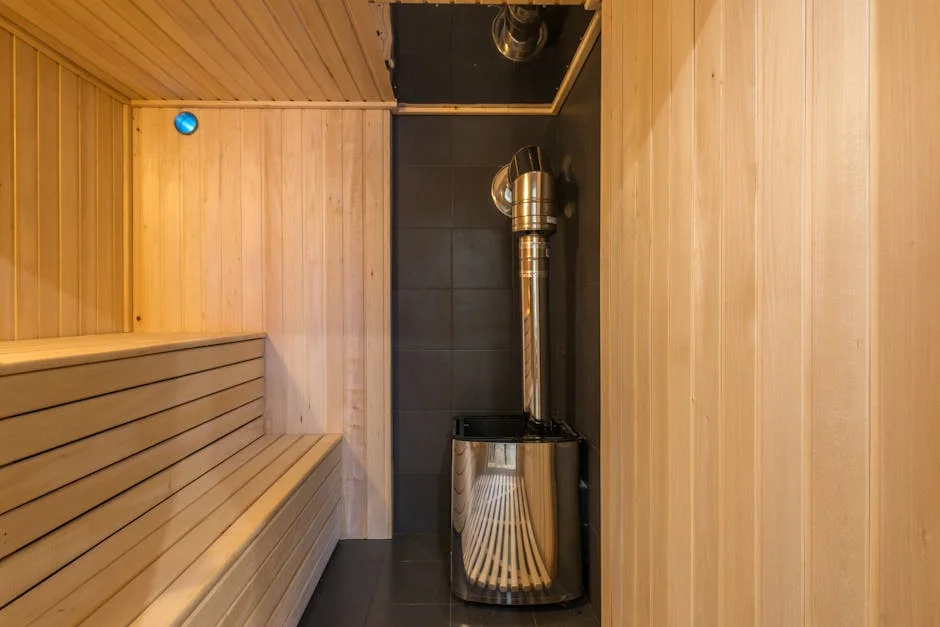
The diameter decision drives everything downstream. For rooms under 200 cubic feet , a typical 2-person home sauna cabin , a single 4-inch supply vent and 4-inch exhaust vent provide adequate airflow when positioned correctly. Rooms between 200 and 400 cubic feet benefit from either a 6-inch exhaust vent or paired 4-inch exhaust vents. Above 400 cubic feet, the ventilation design typically involves dedicated HVAC consultation rather than off-the-shelf vent covers alone.
The formula most sauna builders use is to size the exhaust at least as large as the supply, and in many traditional Finnish designs, slightly larger. The logic is that drawing air out actively rather than just allowing it to escape creates better cross-ventilation and more even heat distribution across bench levels.
Wood vs. Steel: A Decision Framework
Material choice is not purely aesthetic. For an all-wood interior , alder, cedar, spruce , a matching wood vent cover integrates invisibly into the wall surface. A steel cover introduces a visible material break. That break reads as intentional in contemporary or industrial-influenced builds; it reads as an oversight in traditional Nordic-style rooms.
The functional difference is minimal in a properly controlled interior environment. Both materials handle sauna temperature and humidity well when correctly specified. The edge case where steel pulls ahead is in installations with exterior exhaust paths , the built-in mesh on options like the 4 Inch Black Soffit Vent Cover provides pest and debris exclusion that wood diffusers do not. The edge case where wood pulls ahead is in rooms where off-gassing from non-sauna materials is already a concern , eliminating one more non-wood surface reduces the aggregate.
Fixed vs. Adjustable Dampers
For most home sauna users, that adjustability is worth prioritizing. The session profile , preheat, active use, cool-down , benefits from different airflow levels at each stage. During preheat, closing the exhaust partially retains heat and reduces warm-up time. During active use with multiple people, opening the exhaust improves air quality. During cool-down, maximum exhaust flow accelerates drying and protects the wood.
A fixed-louvre cover is appropriate where the vent position is in a penetration that exits directly to exterior air and the primary function is weather exclusion rather than flow control. For interior positions , and for exhaust vents that terminate within the building envelope , adjustability should be considered standard.
Installation Fit: What to Measure Before Ordering
The listed diameter of a vent cover refers to the duct opening it fits, not the overall cover diameter. The cover face is always larger than the duct size , typically by 1 to 2 inches on each side. Measure the existing rough opening or the duct stub diameter, match it to the product’s fitting size, and verify the face plate will cover the full opening cleanly. For new builds, cut the rough opening to match the vent’s fitting specification rather than cutting first and ordering to fit.
Wall depth is the second measurement. Most sauna wall assemblies , paneling over studs with a vapor barrier behind , are shallow enough that standard fitting depths work without modification. Builds that add rigid insulation behind the paneling can exceed standard fitting depth, requiring a short extension. Checking this before ordering avoids the most common installation frustration in this category. Browsing the full range of sauna components and materials alongside your vent selection helps ensure all your penetration points , vent, lighting, and sensor locations , are planned as a coordinated system.
Barrel Sauna Considerations
Barrel sauna builds have specific geometry that affects vent cover selection. The curved wall surface means a flat-backed cover does not seat flush without a backing block cut to the wall curve. Builders working in this format typically cut a small flat platform into the interior wall surface at the vent location , a standard practice that adds one step to installation but is not complex.
The Vindar vent’s nominally smaller diameter makes it the natural fit for barrel sauna penetrations cut to the traditional size. For builders converting an existing barrel with pre-cut penetrations, verifying the exact opening diameter against the Vindar’s fitting spec avoids a recut. For new barrel builds, establishing the vent locations before cutting gives full flexibility across the diameter options reviewed here.
Frequently Asked Questions
Where should sauna vents be positioned for proper airflow?
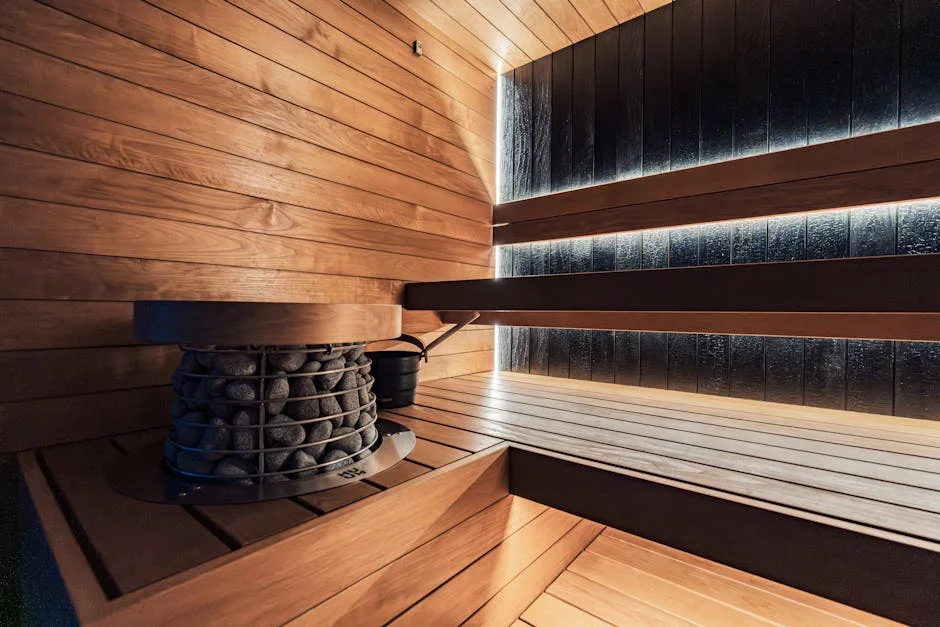
The supply vent sits low on the wall nearest the heater , typically 6 to 8 inches above the floor , so incoming cool air is drawn directly across the heat source before rising. The exhaust vent goes high on the opposite wall or in the ceiling, where heated air accumulates. This diagonal positioning drives circulation across the full room volume rather than short-circuiting airflow along a single wall. Positioning both vents on the same wall significantly reduces ventilation effectiveness.
What is the difference between a 4-inch and 6-inch sauna vent?
The diameter determines how much air the vent can move at a given static pressure. For most home saunas under 200 cubic feet, a 4-inch vent , like the 4 Inch Resin Free Wood Diffuser , handles supply and exhaust adequately. Larger rooms or builds with a single exhaust vent serving the full load benefit from the increased capacity of the 6 Inch Resin Free Wood Diffuser. Upsizing when uncertain is the lower-risk choice because you can always close the damper partially; you cannot increase flow beyond the opening size.
Does a sauna vent cover need to be made from sauna-specific materials?
General-purpose HVAC vent covers are not appropriate for sauna interiors. Standard plastic degrades and off-gasses at sauna temperatures. Coated steel covers designed for ambient conditions can discolor or peel. Sauna-rated materials , resin-free black alder, kiln-dried pine specified for sauna use, or uncoated stainless steel , handle repeated heat and humidity cycles without degradation.
Can the stainless steel soffit vent be used inside the sauna room as an exhaust vent?
The 4 Inch Black Soffit Vent Cover is stainless steel and handles sauna-range temperatures without material failure. The primary use case is exterior penetrations where the mesh provides pest exclusion. Inside the room, the fixed-louvre design means you lose damper adjustability, which limits your ability to manage airflow across preheat and session stages. For interior positions, adjustable wood diffusers are the better fit; the steel soffit cover earns its place where the vent exits directly to outside air.
How do I know if an adjustable vent damper is worth the extra consideration?
If your sauna use is occasional and the room is used by one person at consistent temperature settings, a fixed vent may be adequate. For regular use , multiple sessions per week, varying occupancy, or users who prefer different heat levels , damper adjustability pays back immediately. The ability to partially close the exhaust during preheat reduces warm-up time meaningfully.
Where to Buy
Generic 4 inch Resin Free Wood Diffuser - Round Sauna Vent Cover - Adjustable Air Valve - Supply Exhaust Ventilation Covers for Wall and Ceiling - Black AlderSee 4 inch Resin Free Wood Diffuser - Rou… on Amazon