Sauna Window Buyer's Guide: Materials, Glazing & Installation

Affiliate disclosure: Some links on this page are affiliate links. If you buy through them we earn a small commission at no extra cost to you. Recommendations are research-driven; we don't claim personal use of every product reviewed. Product prices and availability are accurate as of the date published and are subject to change. Always check Amazon for current pricing before purchasing. Learn more.
Quick Picks
Western Red Cedar Sauna Door - 71" X 26" (20" X 16" Window)
Quality construction suited to regular home sauna use
Buy on AmazonClear & Tinted Glass Sauna Door, Prehung Tinted Glass Sauna Door (Left Hanging, Tinted - Black Alder Frame 24x73)
Quality construction suited to regular home sauna use
Buy on AmazonClear & Tinted Glass Sauna Door, Prehung Tinted Glass Sauna Door (Left Hanging, Clear - Aspen Frame 24x73)
Quality construction suited to regular home sauna use
Buy on Amazon| Product | Price Range | Top Strength | Key Weakness | Buy |
|---|---|---|---|---|
| Western Red Cedar Sauna Door - 71" X 26" (20" X 16" Window) best overall | $$ | Quality construction suited to regular home sauna use | Confirm specifications match your specific installation space and electrical requirements | Buy on Amazon |
| Clear & Tinted Glass Sauna Door, Prehung Tinted Glass Sauna Door (Left Hanging, Tinted - Black Alder Frame 24x73) also consider | $$ | Quality construction suited to regular home sauna use | Confirm specifications match your specific installation space and electrical requirements | Buy on Amazon |
| Clear & Tinted Glass Sauna Door, Prehung Tinted Glass Sauna Door (Left Hanging, Clear - Aspen Frame 24x73) also consider | $$ | Quality construction suited to regular home sauna use | Confirm specifications match your specific installation space and electrical requirements | Buy on Amazon |
| Clear & Tinted Glass Sauna Door, Prehung Tinted Glass Sauna Door (Left Hanging, Tinted - Aspen Frame 24x73) also consider | $$ | Quality construction suited to regular home sauna use | Confirm specifications match your specific installation space and electrical requirements | Buy on Amazon |
| Clear & Tinted Glass Sauna Door, Prehung Tinted Glass Sauna Door (Right Hanging, ADA Clear - Aspen Frame 36X81) also consider | $$ | Quality construction suited to regular home sauna use | Confirm specifications match your specific installation space and electrical requirements | Buy on Amazon |
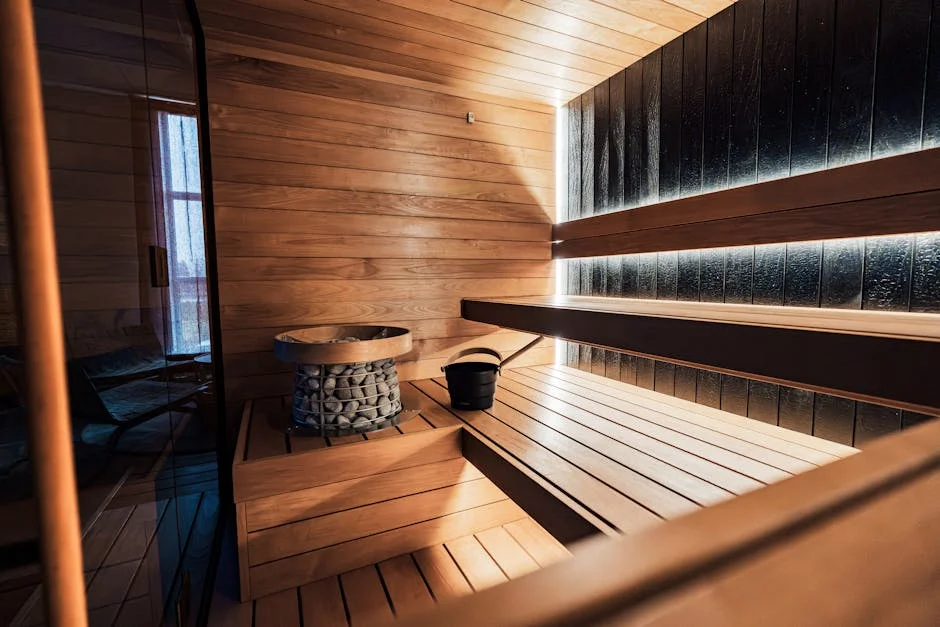
Choosing a sauna window , whether it’s built into the door or framed into a wall , shapes the entire character of a sauna space. The right glazing brings in light, creates a sense of openness, and keeps heat exactly where it belongs. The wrong choice compromises insulation, fogs repeatedly, or simply doesn’t fit a standard rough opening. Browsing the full range of sauna components and materials first helps clarify where a window or glass door fits into the larger build.
What separates a good sauna window from a poor one isn’t just glass thickness. Frame material, glazing type, swing direction, thermal performance, and rough-opening dimensions all interact. Understanding those variables before selecting a unit prevents expensive return shipping and installation rework.
What to Look For in a Sauna Window
Frame Material and Heat Tolerance
Sauna interiors cycle between ambient temperature and sustained heat , often 170, 195°F for traditional Finnish-style sessions. The frame material must handle that thermal range without warping, splitting, or off-gassing. Western red cedar and aspen are the two most common choices for a reason: both species are dimensionally stable under heat, low in resin content (which matters for off-gassing at high temperatures), and naturally resistant to the humidity swings that come with repeated löyly.
Cedar carries a denser grain structure and a higher natural oil content, which adds a layer of moisture resistance that performs well in wet-heat environments. Aspen is lighter, smoother to the touch, and takes heat without transferring it quickly , a practical advantage for surfaces that hands will contact near the door handle area. Neither species requires finishing inside the sauna, and neither should be stained or painted in a way that blocks natural vapor exchange.
Avoid frames made from standard softwoods, MDF composites, or any material with a vinyl coating. These may perform adequately in a bathroom environment but will fail early in sauna conditions.
Glass Type: Clear vs. Tinted
Both clear and tinted tempered glass are appropriate for sauna use when the glazing is properly specified. The choice between them is partly functional and partly aesthetic. Clear glass maximizes light transmission and creates a more connected feel between the sauna interior and the surrounding space , relevant for backyard installations where a garden or outdoor view matters. Tinted glass reduces that visual connection and provides more privacy, which is the more common preference for indoor basement or bathroom-adjacent installations.
What matters more than tint is the glass specification itself. Sauna-appropriate glazing should be tempered (not laminated or standard plate), should be at least 8mm thick for doors, and should be mounted with hardware that accommodates thermal expansion. Glass that’s mounted too rigidly in its frame will stress and crack as it cycles through heat and cool repeatedly.
Door Swing Direction and Rough Opening Dimensions
The swing direction , left-hanging or right-hanging , is determined by which side the hinges are on when the door is viewed from outside the sauna. Getting this wrong on a prehung unit means the door opens into the wrong wall or into the sauna bench. Measure carefully and confirm the rough opening dimensions before ordering.
Standard sauna door rough openings are typically 24 inches wide, but ADA-compliant or wider configurations (36 inches) exist for accessibility or larger cabin builds. Height varies between 73-inch and 81-inch prehung configurations. It’s worth confirming the rough opening height of your existing framing before committing , trimming down a rough opening is considerably easier than enlarging one. A thorough review of the sauna components sizing guides for your specific build type is a useful reference step before finalizing any door order.
Hardware and Thermal Performance
Door hardware for sauna use should be stainless steel or solid brass , materials that won’t corrode under repeated steam exposure and won’t heat to the point of discomfort on contact. Magnetic latches are common and appropriate. Spring-loaded mechanisms tend to wear faster in high-humidity environments.
Thermal performance at the seal is often overlooked. A well-fitted prehung door includes a full perimeter seal that prevents heat loss around the frame. Check whether the unit ships with weatherstripping pre-installed or whether that’s a separate installation step , units with pre-installed seals simplify the installation considerably.
Top Picks
Western Red Cedar Sauna Door - 71” X 26” (20” X 16” Window)
The Western Red Cedar Sauna Door - 71” X 26” stands out as the traditional-build option in this comparison. Cedar’s natural oils give the frame genuine durability in wet-heat conditions, and the integrated 20” x 16” window hits the practical middle ground , large enough to bring in useful light, small enough to maintain heat retention without requiring upgraded insulation around the glazing.
Owner reviews consistently highlight the construction quality as a strength. The cedar grain is well-matched on the stile-and-rail framing, and the door arrives with the kind of fit that doesn’t require shim-heavy installation corrections. Verified buyers note that the overall weight feels appropriate , substantial without being unwieldy for a single installer.
The 26-inch door width suits the most common sauna rough openings, and the 71-inch height is standard for lower-ceiling basement builds and most prefab sauna cabin configurations. Buyers planning taller openings or ADA-width frames will need to look at different configurations, but for a conventional home sauna installation, this unit covers the majority of use cases. The case for this as the best-overall pick rests on the combination of frame material quality, integrated window sizing, and fit to standard rough openings.
Check current price on Amazon.
Clear & Tinted Glass Sauna Door, Prehung Tinted Glass (Left Hanging, Tinted - Black Alder Frame 24x73)
The Clear & Tinted Glass Sauna Door with Black Alder Frame brings a notably different aesthetic to the comparison. Black alder is a less common choice for sauna framing than cedar or aspen, but it performs well under heat , tight grain, low resin, and a darker natural tone that complements tinted glazing visually. The result is a door with a more contemporary profile than most cedar alternatives.
The tinted glass on this unit is the right call for installations where privacy is the primary concern , interior installations adjacent to living spaces, or basement saunas with sightlines toward shared areas. Verified buyers note that the tint level is significant enough for genuine privacy without making the sauna feel closed off. The full-glass panel construction shifts the light and visual character of the sauna interior substantially compared to a small-window wood door.
Left-hanging configuration is specified at order , confirm your rough opening orientation before purchasing. The 24x73 dimensions match standard residential rough openings. Owner reports consistently note that the prehung assembly arrives well-packaged with hardware pre-installed, which simplifies the installation process.
Check current price on Amazon.
Clear & Tinted Glass Sauna Door, Prehung Clear Glass (Left Hanging, Clear - Aspen Frame 24x73)
Aspen framing is the distinguishing characteristic of the Clear & Tinted Glass Sauna Door with Aspen Frame in clear glass. Aspen runs cooler to the touch than cedar at session temperatures, making it a practical choice when the door frame itself is a contact surface. It’s also a lighter wood visually , the pale grain pairs naturally with clear glazing to create a Scandinavian-influenced aesthetic that reads as intentional rather than merely functional.
Clear glass on this unit is the right choice for sauna installations that open toward an appealing view or where the visual connection between the sauna interior and the surrounding space is part of the design intention. Backyard sauna cabins with a garden view are the obvious application. Owner consensus points to this unit as the stronger choice for buyers prioritizing light transmission and openness over privacy.
The aspen frame and clear glass combination also makes this unit the most natural-light-friendly option in the full-glass door category. For buyers choosing between this and the tinted aspen version, the decision is straightforward: clear glass for light and view, tinted glass for privacy.
Check current price on Amazon.
Clear & Tinted Glass Sauna Door, Prehung Tinted Glass (Left Hanging, Tinted - Aspen Frame 24x73)
The tinted-glass version with Aspen Frame occupies the same dimensional footprint as the clear aspen door above , 24x73, left-hanging, standard residential rough opening , with the single variable of glazing tint. For buyers who have already decided on aspen framing but need to resolve the clear-versus-tinted question, this is the direct comparison unit.
The tinted aspen combination is a slightly unusual aesthetic pairing , aspen’s light tone against darker glazing creates a warm contrast that a number of owner reviewers describe favorably. For indoor installations where the view through the glass is less of a priority than managing the visual mass of the door, the tinted version reads as more contained and finished. Verified buyers report consistent construction quality between this unit and its clear-glass counterpart, which suggests the frame specification is standardized across the glazing variants.
Check current price on Amazon.
Clear & Tinted Glass Sauna Door, Prehung ADA Clear Glass (Right Hanging, ADA Clear - Aspen Frame 36X81)
The ADA-compliant Aspen Frame door in the 36X81 configuration is the most dimensionally distinct unit in this comparison. At 36 inches wide and 81 inches tall, it targets a specific installation scenario: larger sauna cabins, commercial or semi-commercial builds, accessibility-focused residential projects, or any build where the rough opening was framed wide from the start.
Right-hanging configuration is the rarer swing direction in standard residential installations, which means this unit will fit a significant number of builds that standard left-hanging doors don’t serve. The right-hang specification combined with the ADA width makes this door the practical answer for buyers who have been unable to find a prehung sauna door that matches their existing framing. Clear glazing on the full panel maintains the open, light-filled character that the full-glass door style is known for.
Owner reports on this unit emphasize that the aspen frame quality is consistent with the narrower-format versions , construction quality doesn’t appear to vary by configuration. For builds that genuinely need 36-inch clearance or a right-handed swing, this is the only purpose-built option in this comparison.
Check current price on Amazon.
Buying Guide
Matching Your Door to Your Rough Opening
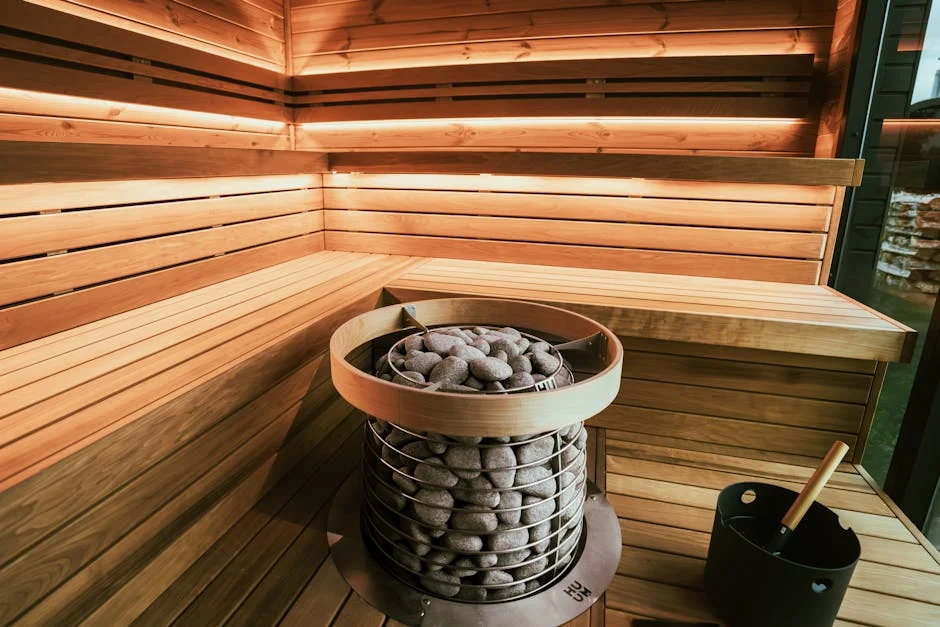
The single most common sauna door installation problem is a mismatch between the ordered unit and the actual rough opening. Measure twice: width first, then height, then confirm swing direction by standing outside the sauna and determining which side the hinges need to be on. A standard residential sauna rough opening is 24 inches wide and either 73 or 80 inches tall. The ADA-width opening at 36 inches requires a purpose-built unit , the standard 24-inch doors in this comparison will not adapt to fit.
Write down the dimensions and the swing direction before ordering anything. Prehung units are pre-assembled and cannot be remounted on the opposite hinge side without purchasing a different unit.
Choosing Between Wood-Panel and Full-Glass Doors
Wood-panel doors with an integrated window , like the cedar option above , perform better thermally than full-glass doors. The glass area is smaller, heat loss through the door panel is lower, and the wood mass holds temperature more consistently. Full-glass doors sacrifice some thermal performance in exchange for the aesthetic and the light they admit.
For compact indoor installations where heat retention is the primary concern, a wood-panel door with a well-sized window is the stronger thermal choice. For outdoor cabins or installations where visual connection to the surroundings is a priority, full-glass doors are appropriate. Neither choice is wrong , the decision reflects the specific conditions of the installation.
Frame Material Selection
Cedar and aspen are both appropriate frame materials for sauna doors, and both species appear across the options in this comparison. The practical difference is tactile and thermal: aspen stays cooler at contact points, making it slightly preferable where the door frame itself will be touched regularly. Cedar’s higher natural oil content gives it better moisture resistance over multi-year use in wet-sauna environments. Reviewing the full range of sauna components and materials for your build can help clarify which frame material aligns with the rest of your interior specification.
Neither material requires interior finishing. Avoid any sealant or stain on the interior-facing surfaces , these trap vapors and can produce odors at high temperatures.
Glass Specification and Privacy
The clear-versus-tinted decision is primarily about privacy and secondarily about light. Tinted glass is the right choice for any installation with a sightline toward shared living spaces, bathrooms, or neighbors. Clear glass is the right choice when the view outside the sauna is a design asset or when maximum natural light is a priority.
Both glass types in this comparison are tempered, which is the correct specification for sauna glazing. Tempered glass handles thermal cycling far better than standard glazing and is substantially safer in the event of breakage. Do not substitute standard plate glass for tempered sauna-rated glazing regardless of cost considerations.
Installation Complexity
Prehung units in this comparison arrive with the door already mounted in its frame , the installation task is setting the frame into the rough opening and securing it level. This is a straightforward task for any builder comfortable with basic framing work. The hardware is typically pre-installed.
Key installation steps: confirm the rough opening is plumb and square before setting the prehung frame; use shims to correct any deviation before fastening; check the door swing clearance against bench or heater placement inside the sauna. A door that swings open against the heater guard is a safety problem and a practical frustration.
Frequently Asked Questions
What size window should a sauna door have?
A 20” x 16” window is the most common size for sauna doors in residential builds. It provides enough light to make the space feel open without creating a significant thermal weak point. Full-glass doors take this further for buyers who prioritize aesthetics, but the smaller integrated window is the practical standard for heat-focused builds.
What is the difference between clear and tinted sauna glass?
Tinted glass reduces visibility from outside the sauna, which is the primary reason buyers choose it for indoor installations. Clear glass maximizes light transmission and preserves any external view. Both are tempered, which is the correct specification for sauna use. The Clear Aspen Frame door and its tinted counterpart illustrate both options at the same dimensions.
Can a standard exterior door be used for a sauna?
Standard exterior doors are not suitable for sauna installations. They are not built to handle the sustained high-heat and high-humidity cycling of a sauna environment and will warp, delaminate, or fail at the seals. Sauna-specific doors use heat-stable frame materials and tempered glass specified for thermal cycling , components a standard exterior door does not include.
Is left-hanging or right-hanging more common for sauna doors?
Left-hanging is the more common configuration in standard residential sauna builds. Right-hanging doors, like the ADA Aspen Frame 36X81, exist specifically for builds where the framing requires it. Confirm your swing direction by standing outside the sauna and determining which side the hinge needs to be on before ordering a prehung unit.
Does the door frame material affect sauna temperature?
Frame material affects thermal performance modestly. Wood-panel doors with smaller glass areas retain heat better than full-glass doors. Within the wood-panel category, denser species like cedar hold heat slightly more consistently than lighter species like aspen. The more significant thermal variable is the quality of the door seal , a properly gasketed prehung frame loses far less heat than any gap in the perimeter seal.
Where to Buy
Western Red Cedar Sauna Door - 71" X 26" (20" X 16" Window)See Western Red Cedar Sauna Door - 71" X … on Amazon